

























Post Category: Armfield News
The FT102TT Table Top Carbonation & Filling Machine
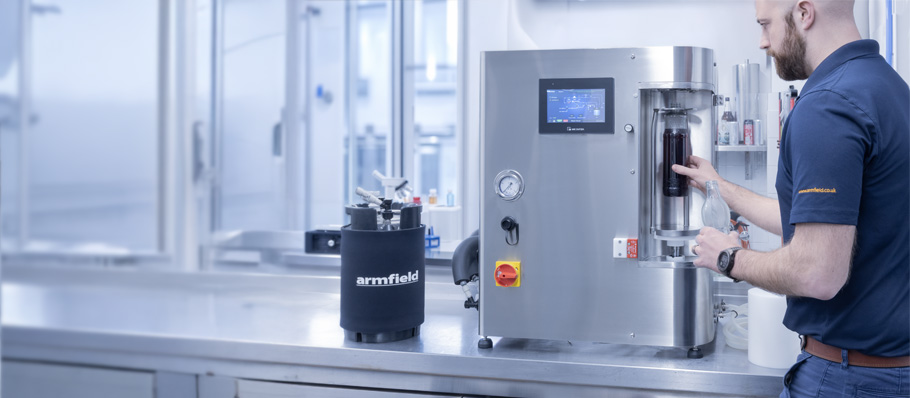
The FT102TT Table Top Carbonation & Filling Machine: Revolutionising Beverage Development with a Rapid Benchtop Carbonator and Filler
Creating a successful carbonated beverage requires far more than simply injecting carbon dioxide into a liquid. Beverage manufacturers, universities, food science departments, pilot plants and research laboratories must carefully control carbonation levels, dissolved oxygen, filling accuracy and packaging performance to develop products that are consistent, commercially viable and enjoyable to consume.
At Armfield, we have spent decades designing industrial food technology machines that help bridge the gap between laboratory experimentation and commercial production. The FT102TT Table Top Carbonation & Filling Machine has been developed specifically for organisations seeking a rapid benchtop carbonator and filler capable of delivering highly accurate carbonation, reliable filling and meaningful product development data.
Whether you are developing sparkling water, testing soft and alcoholic beverages, conducting food technology research or teaching process engineering principles, the FT102TT provides a compact yet powerful solution that delivers production-ready insights directly from the laboratory bench.
What Is the FT102TT Table Top Carbonation & Filling Machine?
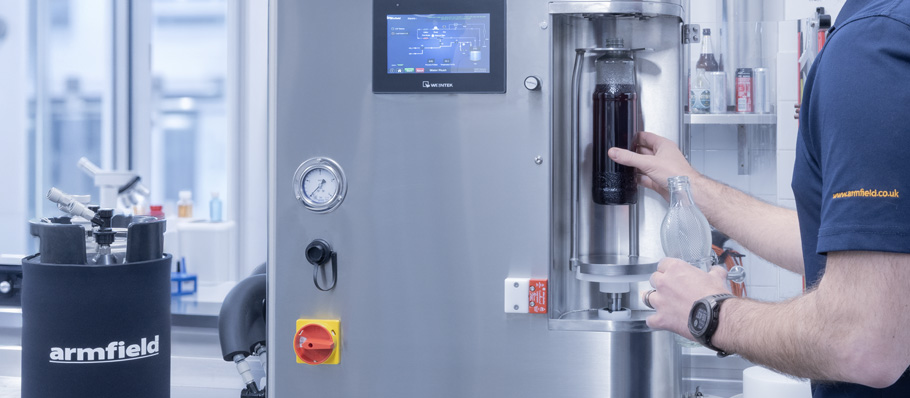
The FT102TT is a high-precision carbonator and filler designed for beverage development, pilot plant operation and laboratory testing.
Unlike large-scale production systems that require substantial floor space and significant ingredient volumes, the FT102TT offers a compact standalone unit that enables beverage developers to produce smaller batches while maintaining exceptional control over carbonation and filling parameters.
The system can process:
- Carbonated water
- Sparkling water
- Soft drinks
- Energy drinks
- Functional beverages
- Soft and alcoholic beverages
- Premixed product formulations
- Post mix configuration products
For organisations involved in research and development, the FT102TT delivers the flexibility needed to evaluate formulations before committing to large-scale manufacturing.
Why Beverage Developers Need a Rapid Benchtop Carbonator and Filler
Bringing a new beverage to market can be both costly and time consuming.
A rapid benchtop carbonator and filler allows developers to:
- Reduce ingredient waste
- Accelerate product development
- Improve product quality
- Test multiple formulations
- Evaluate packaging options
- Optimise carbonation performance
- Generate reliable R&D data
Rather than relying on assumptions, beverage manufacturers can use the FT102TT to obtain measurable, repeatable results that support confident decision-making.
This capability is particularly valuable for pilot plants, research laboratories and educational institutions where experimentation forms a critical part of the development process.
FT102TT Technical Specifications
The FT102TT has been engineered to deliver professional-level carbonation and filling performance within a laboratory-scale platform.
Key Specifications
| Specification | Details |
|---|---|
| Product Code | FT102TT |
| Gas Content | Controllable to in excess of 10 g/l |
| Carbonation Accuracy | ±0.1 g/l |
| Keg Capacity | 9.5 litres |
| Maximum Keg Pressure | 9 bar |
| Carbonation Gas | High-purity moisture-free carbon dioxide |
| Bottle Types | PET bottles and glass bottles |
| Sample Size Range | 150ml to 2000ml |
| Operation Methods | Batch or semi-continuous |
| Contact Surfaces | 316L stainless steel, silicone, PTFE and EPDM |
| Control System | PLC with full-colour touchscreen HMI |
| Process Visibility | Real-time diagrammatic display screens |
| Data Collection | Integrated process data capture |
These specifications make the FT102TT a highly capable rapid benchtop carbonator and filler suitable for beverage manufacturers, pilot plants, universities and research laboratories.
Understanding Carbonation Science
Carbonation is one of the most important factors influencing beverage quality.
The amount of dissolved carbon dioxide directly impacts:
- Mouthfeel
- Taste perception
- Product freshness
- Consumer acceptance
- Shelf stability
Accurate carbonation levels are essential when evaluating different formulations or conducting sensory trials.
The FT102TT enables users to achieve carbonation levels exceeding 10 g/l while maintaining accuracy to within ±0.1 g/l. This degree of precision allows researchers and product developers to confidently compare formulations and optimise beverage performance.
For organisations developing carbonated water, sparkling water and soft drinks, maintaining consistent CO2 levels is critical to ensuring repeatable product quality.
The Importance of Dissolved Oxygen
Dissolved oxygen is often overlooked during beverage development.
However, excessive dissolved oxygen can negatively affect:
- Flavour stability
- Shelf life
- Product freshness
- Colour retention
- Overall product quality
The FT102TT allows users to study the relationship between carbonation and dissolved oxygen, helping developers create beverages that perform consistently during storage and distribution.
This capability makes the machine particularly valuable for premium beverage development programmes.
How the FT102TT Process Works
One of the major advantages of the FT102TT is its ability to streamline beverage development while maintaining exceptional process control.
The process begins with either a premixed product or a post mix configuration using water and syrup.
The product is stored in an external 9.5-litre keg before entering the carbonation stage.
Stage 1: Product Preparation
Ingredients are blended and prepared according to the desired formulation.
Stage 2: Cooling
An external chiller or ice water supply is used to reduce product temperature.
Lower temperatures improve carbon dioxide absorption and support more accurate carbonation levels.
Stage 3: Carbonation
The FT102TT uses high-purity moisture-free carbon dioxide to carbonate the product.
The system employs:
- Manual regulator
- Pressure gauge
- Check valve
- Controlled CO2 supply
These components work together to ensure highly accurate carbonation.
Stage 4: Filling
Once carbonation has been achieved, the filler rapidly dispenses product into bottles.
The system accommodates:
- PET bottles
- Glass bottles
Bottle sizes can range from 150ml samples through to 2000ml containers.
Stage 5: Packaging
Depending on the application, users may utilise:
- Crown capping
- Screw capping
The FT102TT may also operate alongside an integral can seamer or external Seaming Machine for can-based product development.
Advanced PLC Control and Process Visibility
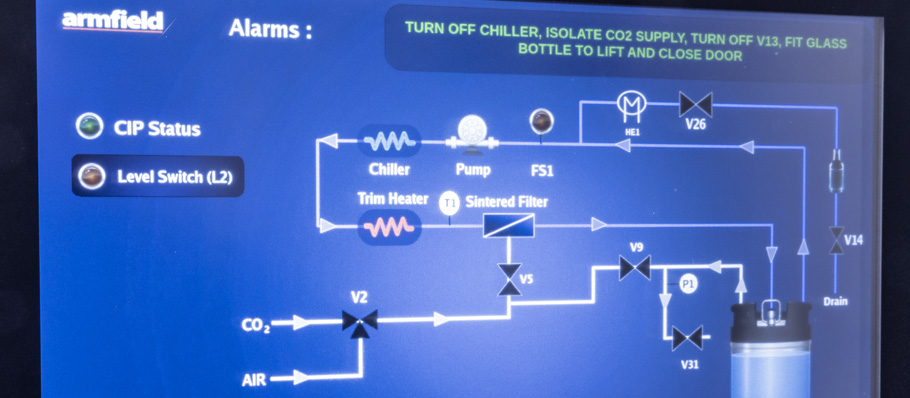
A significant advantage of the FT102TT is its advanced Programmable Logic Controller (PLC) architecture.
Many benchtop carbonation systems rely heavily on manual adjustments, which can introduce inconsistencies.
The FT102TT minimises operator variability through automated control.
Using the full-colour touchscreen HMI, operators can:
- Create recipes
- Execute recipe functions
- Monitor carbonation levels
- Review process performance
- Capture production data
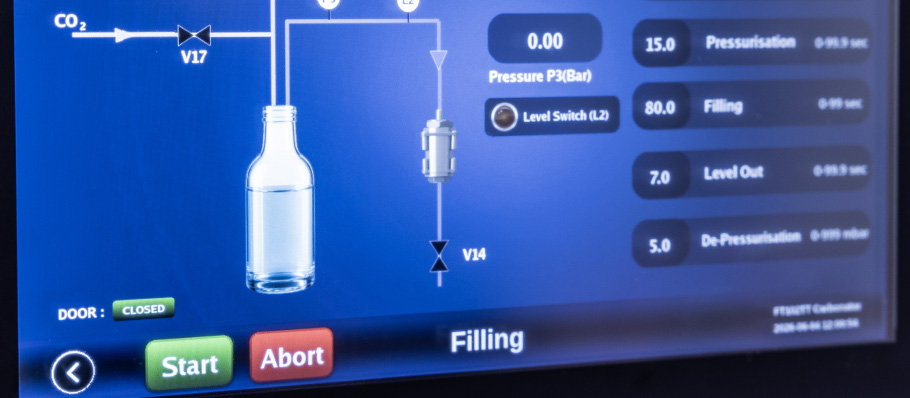
Integrated diagrammatic display screens provide real-time visibility of system operation, helping users understand exactly what is happening during each stage of production.
This level of control supports better product quality and more reliable research outcomes.
Why Ice Water Supply and Chillers Matter
One of the most common questions regarding carbonation systems concerns temperature control.
Carbon dioxide dissolves more effectively at lower temperatures.
A reliable external chiller or ice water supply helps:
- Improve carbonation efficiency
- Increase gas absorption
- Reduce carbonation variability
- Improve product quality
- Enhance process consistency
For laboratories and educational institutions, this provides an excellent opportunity to demonstrate carbonation principles and gas transfer behaviour.
Educational Applications
Armfield equipment is trusted by universities and educational institutions throughout the world.
The FT102TT provides a practical platform for teaching:
- Beverage technology
- Carbonation science
- Process engineering
- Product development
- Food technology
- Process control
- Quality assurance
Students gain hands-on experience using industrial food technology machines while developing a deeper understanding of commercial beverage production processes.
Pilot Plant Applications
Pilot plants serve as a critical bridge between laboratory development and commercial manufacturing.
Consider a research team developing a botanical sparkling water.
Using the FT102TT, they can:
- Test different ingredients
- Evaluate carbonation levels
- Measure dissolved oxygen
- Compare bottle types
- Conduct sensory analysis
- Assess product quality
Once the ideal formulation has been identified, the product can progress to larger-scale production with significantly reduced risk.
Integration with Other Beverage Systems
The FT102TT integrates effectively into broader beverage development environments.
Compatible systems may include:
- UHT Process System
- UHT System
- Water Filling Machine installations
- Juice Filling Machine operations
- Bottle Filling Machine systems
- Bottle Blow Molding Machine facilities
- Compressed air supply infrastructure
- Can seamer systems
This flexibility allows organisations to build comprehensive beverage development workflows around the machine.
Comparing the FT102TT to Commercial Production Systems
| FT102TT Table Top System | Commercial Production Line |
|---|---|
| Small batch volume | High-volume production |
| Lower ingredient consumption | High ingredient consumption |
| Research focused | Manufacturing focused |
| Ideal for pilot plants | Ideal for mass production |
| Rapid recipe development | Continuous production |
| Lower capital investment | Significant capital investment |
This comparison highlights why a rapid benchtop carbonator and filler remains an essential tool for beverage innovation.
Utility Requirements
The FT102TT has straightforward installation requirements.
Electricity
- 110-240V
- 50-60Hz
- Single socket required
Carbon Dioxide Supply
- High-purity moisture-free CO2
- Manual regulator
- 4 bar supply pressure
Compressed Air Supply
- 6 bar
- Minimal consumption
Water Supply
- Minimum 2 bar pressure
- Minimum flow rate of 5 litres per minute
These requirements make the machine easy to integrate into existing laboratories and pilot plants.
Future Trends in Carbonation Technology
As beverage development continues to evolve, carbonation technology is becoming increasingly sophisticated.
Future innovations are expected to include:
- New vacuum system technologies
- Enhanced process analytics
- Improved dissolved oxygen monitoring
- Greater automation
- More environmentally friendly processing
- Advanced product quality management
- Enhanced digital integration
Armfield remains committed to supporting these developments through innovative industrial food technology machines that help organisations stay at the forefront of beverage innovation.
Why Choose Armfield?
Armfield has established a worldwide reputation for excellence in food technology, process engineering and pilot-scale equipment.
Our expertise spans:
- Beverage processing
- Carbonation systems
- Pilot plant equipment
- Research laboratory solutions
- Educational food technology systems
- Industrial food technology machines
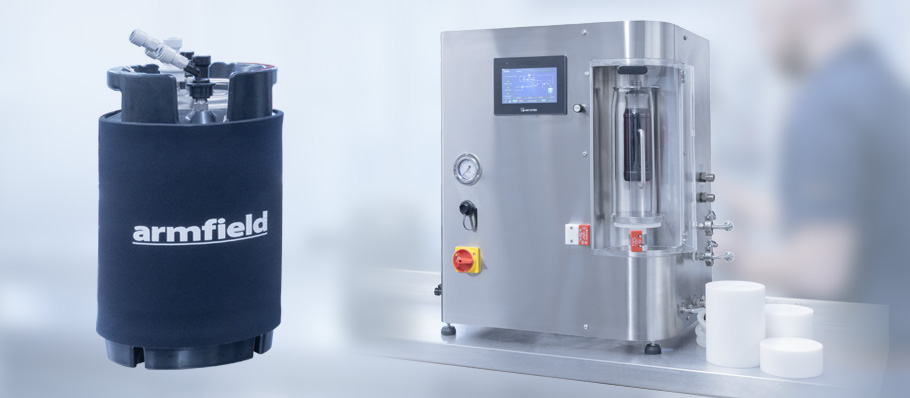
The FT102TT Table Top Carbonation & Filling Machine reflects this expertise by delivering exceptional carbonation accuracy, process control and operational flexibility within a compact laboratory-scale platform.
Frequently Asked Questions
How does an ice water supply affect carbonation performance?
Lower temperatures improve carbon dioxide absorption, helping achieve more accurate carbonation levels and greater process consistency.
What determines the ideal batch volume?
Batch volume depends on vessel capacity, beverage type, available ingredients and the objectives of the development programme.
How important are accurate carbonation levels?
Accurate carbonation levels ensure consistent taste, mouthfeel, product quality and consumer satisfaction.
Can the FT102TT process both carbonated water and flavoured beverages?
Yes. The system is suitable for carbonated water, sparkling water, soft drinks and a wide variety of beverage formulations.
Can the FT102TT be integrated with a UHT Process System?
Yes. The machine can operate alongside a UHT Process System or UHT System as part of a complete beverage development workflow.
What role does the regulator play?
The manual regulator controls gas pressure entering the carbonation system and helps maintain consistent carbonation performance.
How does bottle type impact performance?
Different bottle types affect carbonation retention, filling characteristics and shelf-life performance.
Can the FT102TT work with a Seaming Machine?
Yes. Depending on the configuration, the machine can operate alongside an integral can seamer or external can seamer equipment.
What industries benefit most from the FT102TT?
Universities, pilot plants, research laboratories, beverage manufacturers and food technology organisations all benefit from the system.
What future developments are expected in carbonation technology?
Future systems are expected to feature enhanced automation, improved monitoring capabilities, greater sustainability and advanced process analytics.
Contact Armfield Today
If you are looking for a rapid benchtop carbonator and filler that combines exceptional carbonation accuracy, flexible operation methods and reliable product development performance, the FT102TT Table Top Carbonation & Filling Machine provides an ideal solution.
To learn more about Armfield’s industrial food technology machines and discuss your specific application requirements, contact our team today
You may also like:
- Key Features of a Milk Product Training Apparatus
- advantages of using a dairy and plant-based products training apparatus in food technology education?
- The Science of Carbonation and Armfield’s FT102XA
How Engineers Calculate Cantilever Arm Placement
The Art of Balancing: Calculating Cantilever Arm Placement
What is a cantilever arm and why it matters
A cantilever arm is a structural element that extends horizontally and is supported at only one end. This simple concept underpins some of the most impressive feats in Structural Engineering, from cantilever bridges to Cantilever Racking Systems used in industrial storage.
Cantilever arms are designed to carry loads without additional support at the free end. That makes their placement critical. If positioned incorrectly, the entire cantilever system can lose stability. Engineers must therefore calculate placement with precision to maintain structural integrity, manage load distribution, and ensure safety.
At Armfield, this principle is central to the development of educational and experimental apparatus for cantilever bridges. Their solutions allow engineers and students to explore cantilever design through real world simulation and testing.
Why correct placement of cantilever arms is critical
The placement of cantilever arms determines how forces move through a structure. A poorly positioned arm can lead to excessive bending moment, increased shear forces, and eventual failure.
In contrast, a well designed cantilever system distributes weight efficiently. It balances vertical loads, horizontal reaction force, and internal forces across the structure. This ensures lateral stability and long term performance.
Whether used in high rise buildings, storage areas, or large scale cantilever bridges, accurate placement is essential for both safety and performance.
Core principles behind cantilever arm placement
Engineers rely on a set of structural principles when calculating placement:
- Load distribution across the horizontal beam
- Reaction force calculation at the fixed support
- Shear and moment distribution along the beam length
- Cantilever beam deflection based on material stiffness
These principles help determine how a cantilevered beam will behave under different loading situations such as point load, uniformly distributed load, or heavy loads.
A simple example is the bending moment at the fixed support, which increases as the total beam length grows. This is why longer arms require stronger materials like structural steel or prestressed concrete.
Key factors engineers consider
When calculating the placement of cantilever arms, several variables are analysed:
Type of structure
A cantilever bridge requires different calculations compared to Cantilever Racking Systems. Bridges must account for dynamic loads such as traffic, while racking systems focus on static load and rated capacity.
Materials used
Structural steel, steel bars, and concrete all behave differently. The modulus of elasticity affects cantilever beam deflection, while strength determines load capacity.
Beam length and geometry
The total beam length directly influences bending moment and shear forces. Inclined arms, straight arms, and longer arms each create different loading patterns.
Load characteristics
Engineers assess weight, vertical loads, and standard loads. A uniformly distributed load creates different stresses compared to a point load.
Fixings and supports
Anchors and wedge anchors secure the system to foundation piers or walls. Their strength impacts the stability of the entire cantilever design.
The role of CAD and modern tools
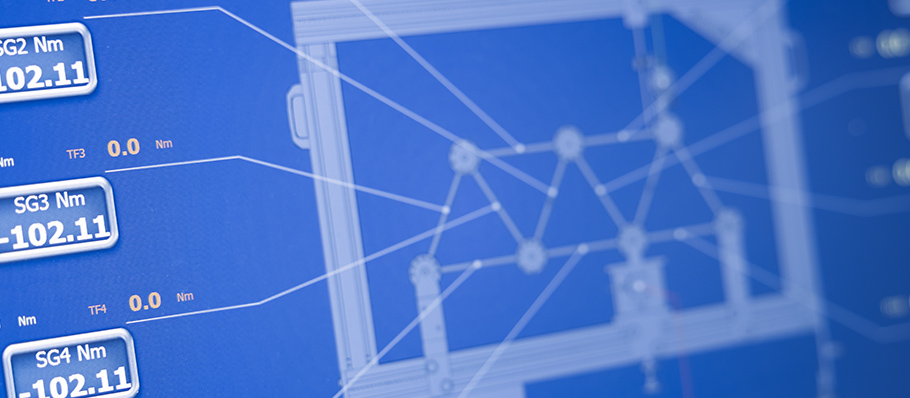
Modern Structural Engineering relies heavily on CAD software and simulation tools. These systems allow engineers to model complex cantilever systems and test various loading situations before construction begins.
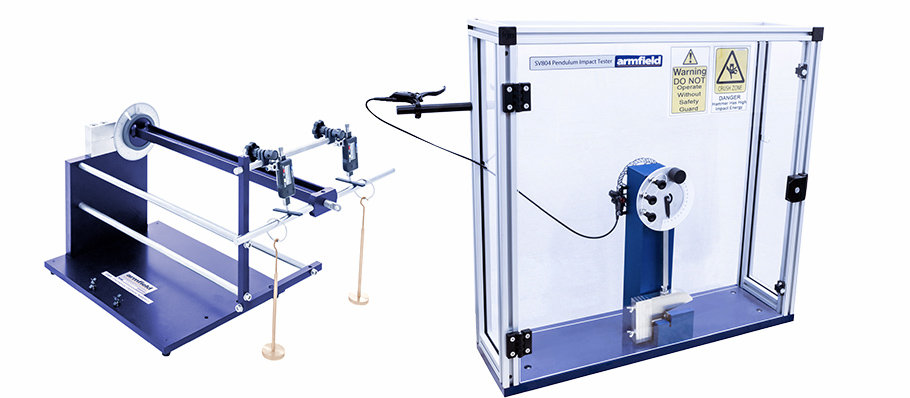
At Armfield, experimental apparatus complements digital modelling. Engineers can validate CAD predictions through hands on testing, improving confidence in their calculations and refining their understanding of cantilever method and balanced cantilever method.
Real world examples of cantilever arm placement
Some of the most famous structures in the world demonstrate the importance of precise cantilever arm placement:
- Forth Bridge
- Quebec Bridge
- Vejle Fjord Bridge
Each of these structures uses carefully calculated cantilever arms to span large distances while maintaining structural integrity. Engineers used detailed hand calculations and modern analysis to determine optimal placement.
Risks of incorrect placement
Incorrect placement of cantilever arms can lead to:
- Excessive cantilever beam deflection
- Structural instability
- Material fatigue
- Collapse under heavy loads
These risks highlight the importance of accurate reaction force calculation and careful analysis of internal forces.
Key equations engineers use
Engineers rely on established formulas to guide placement decisions. One of the most important relates to cantilever beam deflection under a load:
δ=WL33EI\delta = \frac{W L^3}{3 E I}
Where:
- WW is the load’s weight
- LL is the beam length
- EE is the modulus of elasticity
- II is the second moment of area
This equation helps determine how much a cantilevered beam will bend. It plays a central role in deciding safe placement distances and material selection.
Practical tips for accurate placement
Engineers can improve accuracy by following best practice:
- Combine CAD modelling with hand calculations
- Test designs using experimental apparatus
- Use high quality materials such as structural steel
- Consider worst case loading situations
- Regularly review shear and moment distribution
At Armfield, these practices are supported through advanced teaching equipment that demonstrates real world cantilever bridge behaviour.
FAQs
What is the role of cantilever beam deflection in placement?
Cantilever beam deflection helps engineers understand how much a beam will bend under load. This informs safe distances and material choices.
How do Cantilever Racking Systems optimise storage space?
They allow for open front storage areas, increasing usable space and improving access for long or bulky items.
What factors affect beam length decisions?
Engineers consider load distribution, material strength, and required capacity when determining total beam length.
How does a simply supported beam differ from a cantilever beam?
A simply supported beam has supports at both ends, while a cantilever beam is fixed at one end only, creating different shear forces and bending moment behaviour.
How does a uniformly distributed load affect placement?
It spreads weight evenly along the beam, which changes the shear and moment distribution compared to a point load.
Final thoughts on cantilever arm placement
Accurate cantilever arm placement is a cornerstone of Structural Engineering. It ensures that structures remain safe, efficient, and durable under a wide range of loading situations.
With the support of Armfield’s cantilever bridges solutions and experimental apparatus, engineers can refine their understanding and deliver designs that meet modern demands.
Ready to explore cantilever bridge solutions?
Discover how Armfield can support your engineering projects with industry leading experimental systems. Visit the contact page today and speak with a specialist.
What is the role of prestressed concrete in cantilever span bridges?

Prestressed concrete plays a central role in modern bridge engineering, especially when designing complex cantilever span bridges that must carry heavy loads over long distances. At Armfield, we support this field with advanced experimental apparatus for cantilever bridge engineers, helping professionals and students understand the structural principles behind these impressive structures.
What is prestressed concrete and how does it differ from traditional concrete?
Concrete is strong in compression but weak in tensile strength. Traditional reinforced concrete uses steel bars to improve this, but prestressed concrete bridges go further.
Prestressed concrete involves tensioning steel strands or tendons before or after the concrete is cast. This introduces compressive forces that counteract tensile stresses during use. As a result, the material resists cracking, improves shear strength, and performs better under live loads and heavy loads.
This engineering breakthrough has allowed longer span length, reduced material use, and improved durability in bridge construction.
Understanding cantilever span bridges
A cantilever bridge is built using projecting arms called cantilever arms, which extend from supports without immediate external support at the free end.
In a balanced cantilever bridge, segments are added symmetrically from a central pier head. This ensures balance during construction. These bridges differ from suspension bridges and continuous bridges because they do not rely on cables or continuous support across the entire span.
Common forms include:
- Steel truss cantilever bridge
- Concrete cantilever spans
- Continuous cantilever bridges
They are ideal for difficult crossings, such as wide rivers or valleys, where temporary supports are limited.
The role of prestressed concrete in cantilever span bridges
Prestressed concrete is fundamental to the success of the cantilever method. It allows each segment to handle bending moment, lateral loads, and vertical loads effectively during and after construction.
In a typical balanced cantilever method:
- Precast segments or cast-in-place segments are added progressively
- Each segment is prestressed using longitudinal tendons
- The structure maintains stability without needing full scaffolding
This approach improves safety, reduces reliance on temporary supports, and enhances the performance of the superstructure.
At Armfield, our experimental systems allow engineers to simulate these forces in real-world scenarios, providing hands-on insight into how prestressed systems behave under load.
A brief history of prestressed concrete in bridges
Prestressed concrete emerged in the early 20th century as an innovation in bridge engineering. Over time, it replaced many traditional simple beams and steel-heavy designs.
Historic bridges such as the Forth Bridge and Quebec Bridge highlight early cantilever principles, though they relied heavily on structural steel.
Modern examples like the Vejle Fjord Bridge demonstrate how prestressed concrete has evolved into a dominant structural type.

Types of prestressed concrete used
There are two main forms used in prestressed concrete bridges:
- Pre-tensioned concrete
Steel tendons are tensioned before pouring concrete - Post-tensioned concrete
Tendons are tensioned after the concrete has hardened
Post-tensioning is widely used in box girder designs and concrete cantilever spans, especially where long spans and flexibility are required.
Construction process using the cantilever method
The construction method for these bridges involves careful construction stage analysis to ensure safety and precision.
Key steps include:
- Building foundation piers and supports
- Installing formwork or using precast segments
- Applying prestress forces via tendons
- Extending cantilever arms segment by segment
- Completing the central span or suspended span
Advanced erection equipment is often used to position segments accurately. Considerations such as concrete creep, differential settlement, and material properties must be carefully managed.
Armfield’s experimental apparatus provides controlled environments to study these factors in detail, supporting better outcomes in real-world bridge construction.
Advantages of prestressed concrete in cantilever bridges
Prestressed concrete offers several benefits:
- Higher tensile strength and durability
- Improved resistance to cracking and deformation
- Efficient handling of lateral loads and vertical loads
- Reduced maintenance over time
- Suitable for long spans and heavy traffic
These advantages make it a preferred choice for rail traffic use trusses, highways, and even some footbridges.
Challenges and limitations
Despite its benefits, there are challenges:
- Requires precise design and construction stage analysis
- Higher initial cost compared to basic concrete
- Sensitive to errors in tensioning or alignment
- Long-term effects like concrete creep must be considered
However, with modern tools and testing systems such as those developed by Armfield, these risks can be mitigated effectively.
Frequently Asked Questions
What distinguishes a steel truss cantilever bridge from other bridge types?
A steel truss cantilever bridge uses a framework of interconnected steel members to distribute loads. It differs from other bridges by relying on cantilever arms rather than continuous support.
How does concrete contribute to strength in a truss bridge?
Concrete improves compressive capacity, while prestressing enhances tensile strength, allowing the structure to resist bending and heavy loads more effectively.
Can prestressed concrete be used in all bridge types?
Prestressed concrete is versatile and used in many designs, including continuous bridges, cantilever bridges, and even small footbridges, though it is especially effective in long-span applications.
How do lateral loads affect cantilever bridge design?
Lateral loads, such as wind or seismic forces, create additional stress. Prestressed systems help resist these forces and maintain structural integrity.
Why is structural steel often combined with prestressed concrete?
Structural steel provides flexibility and tensile reinforcement, while prestressed concrete delivers compressive strength. Together, they create a balanced and efficient structure.

Final thoughts on prestressed concrete in cantilever span bridges
Prestressed concrete has transformed how engineers approach bridge design, particularly for balanced cantilever bridges and complex crossings. Its ability to manage forces, reduce material use, and improve durability makes it essential in modern infrastructure.
At Armfield, we continue to support this evolution by providing industry-leading experimental apparatus for cantilever bridge engineers, helping professionals refine designs and improve performance.
Ready to explore advanced bridge engineering solutions?
Contact Armfield today to discover how our experimental apparatus can support your cantilever bridge projects:
Revolutionising Education: The Impact of Chemical Engineering Training Apparatus
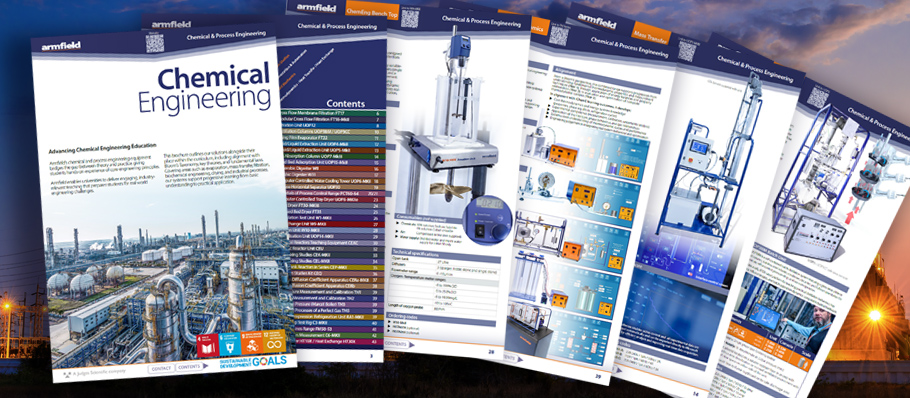
Revolutionising Education: The Impact of Chemical Engineering Training Apparatus
Chemical engineering training apparatus plays a central role in modern chemical engineering education. It bridges the gap between theoretical knowledge and real industrial practice, enabling students, researchers and engineers to observe, measure and control chemical processes in a safe and structured Chemical Engineering Laboratory environment. At Armfield, we design and manufacture Chemical Engineering Lab Equipment that support hands on experience, practical training, and a comprehensive understanding of how chemical plants operate in the real world.
Training apparatus is purpose built Technical Teaching Equipment used by educational institutions and engineering firms to simulate industrial processes on a laboratory or pilot scale. These systems allow learners to explore reaction kinetics, heat transfer, fluid mechanics, separation processes and temperature control with confidence. Through practical training systems, theoretical knowledge becomes applied knowledge, which is essential for the chemical industry and modern engineering education.
What is Chemical Engineering Training Apparatus and Why It Matters
Chemical engineering training apparatus refers to specialised Laboratory Equipment designed to demonstrate, analyse and control chemical reactions and physical processes. These systems range from compact Trainer Kits to advanced computer-controlled Training Systems with Data Acquisition, SCADA and plc integration.
Within a Chemical Engineering Laboratory, this apparatus allows learners to investigate chemical reactions, study Flow Rates, pump speed, reaction temperature and heater power, and understand how variables interact in controlled laboratory conditions. Chemical Engineering Lab Equipments are essential because chemical engineering education relies on more than equations and simulations alone. The ability to physically operate Laboratory Instruments, adjust parameters via Touch Screen interfaces and analyse real data builds confidence and competence.
Types of Chemical Engineering Training Apparatus
Chemical engineering education relies on a broad range of apparatus, each designed to support specific learning outcomes.
Chemical Reactors are among the most widely used systems. Continuous Stirred Tank Reactor units and Tubular Flow Reactor rigs allow students to study reaction order, reaction kinetics and reaction temperature under steady state and transient conditions. Different reactor type configurations make it possible to compare performance and efficiency.
Heat exchangers and Laboratory Heating systems are vital for understanding heat transfer and energy balance. These systems allow learners to explore heat exchangers, heater power control and temperature control using computer control or manual instrumentation.
Separation equipment such as distillation columns, Thin Film Oven systems and Laboratory Pasteuriser units support the study of separation processes used in pharmaceuticals, food production and petrochemicals.
Fluid Mechanics training apparatus, including Hydraulic benches, Hele Shaw Apparatus and Subsonic Wind Tunnel systems, help students visualise flow patterns, pressure drops and velocity profiles in real time.
Supporting Laboratory Equipment such as Laboratory Glassware, power supply units, Digital Circuits, Analog Circuit modules and Instrumentation panels complete the laboratory environment and enhance safe experimentation.
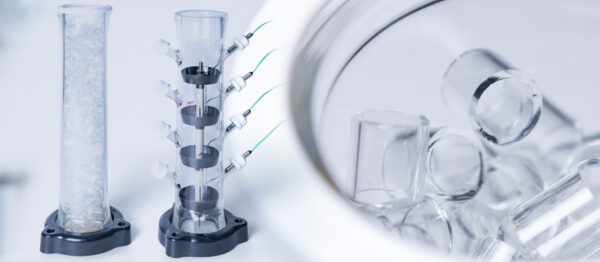
The Importance of Hands On Practical Training
Hands on experience remains the cornerstone of engineering education. Chemical Engineering Training Equipment enables students to move beyond theory and apply their learning through direct interaction with real systems.
By operating Trainer Kits and Training Systems, learners gain an understanding of process stability, safety limits and operational constraints. Mistakes can be made and corrected in a controlled laboratory environment, preparing students for the realities of chemical plants and engineering firms.
Practical training also develops transferable skills such as troubleshooting, data interpretation, teamwork and reporting. These skills are highly valued across the chemical industry and cannot be developed through theoretical knowledge alone.
Processes Simulated Using Training Apparatus
Chemical engineering training apparatus supports a wide range of simulated processes used across key industries.
Reaction systems allow investigation of saponification reaction pathways, reaction kinetics and chemical reactions under varying conditions. Separation processes such as distillation and filtration demonstrate mass transfer principles.
Heat transfer studies are supported through Laboratory Heating and Cooling Instrument systems, where students examine steady state and transient behaviour.
Fluid Mechanics apparatus enables analysis of Flow Rates, pump speed and energy losses across hydraulic networks.
Advanced Training Systems integrates computer control, SCADA and Data Acquisition for advanced study and case studies. These systems provide real-world applications that mirror industrial automation environments.
Real World Applications Across Industry
The practical applications of chemical engineering training apparatus extend far beyond the laboratory. Pharmaceutical production relies on controlled reaction systems and Laboratory Pasteuriser units to ensure product quality and safety.
Petrochemical and chemical plants utilise knowledge gained from reactor training systems, heat exchangers and separation units. Power generation and Power Supply studies benefit from Steam Power Plant rigs and Pelton Turbine trainers.
Renewable energy is supported through Solar Module training systems, Solar Thermal Energy rigs, Photovoltaic Solar Energy units and Wind Energy trainers. These systems prepare engineers for evolving industry demands and Smart Grid integration.
Technological Advancements in Training Apparatus
Recent advancements in Laboratory Equipment have significantly enhanced chemical engineering education. Computer-Integrated Manufacturing concepts now feature in advanced Training Systems, providing realistic industrial workflows.
Modern apparatus includes Touch Screen interfaces, remote monitoring, and integrated Data Acquisition systems for improved accuracy and repeatability. Computer-controlled Chemical Reactors Training Systems allow precise manipulation of reaction conditions, supporting deeper learning and advanced research.
Integration with SCADA and plc platforms mirrors real industrial control environments, ensuring that students are industry-ready upon graduation.
Selecting the Right Training Apparatus
Selecting the correct Chemical Engineering Training Apparatus depends on learning objectives, available space, and budget.
Size and modularity should be considered, particularly for educational institutions with limited laboratory space. Equipment Materials must be robust, chemically compatible and safe for repeated use.
Cost and Supply Ability should be evaluated alongside long term maintenance requirements. At Armfield, our systems are designed for durability, scalability and ease of operation to support both teaching and research programmes.
Maintenance, Safety and Optimal Performance
Maintaining a controlled laboratory environment is essential when operating Trainer Kits and Training Systems. Regular inspection of Laboratory Equipment, calibration of Laboratory Instruments and adherence to safety protocols ensure optimal performance and user safety.
Proper training for operators, clear documentation and routine servicing extend equipment lifespan and minimise downtime. Laboratory Heating and temperature control systems must be monitored carefully to protect users and equipment alike.
Preparing Students for Chemical Engineering Careers
Chemical engineering training apparatus plays a vital role in preparing students for careers in the chemical industry. Exposure to realistic Training Systems builds confidence, competence and professional awareness.
Graduates who have worked with Chemical Engineering Lab Equipment are better prepared for employment within engineering firms, research facilities and manufacturing environments. Practical training enhances employability and strengthens the connection between academic study and industry expectations.
FAQs: Chemical Engineering Training Apparatus
What are the essential Chemical Engineering Lab Equipment for a well-equipped laboratory?
Essential Chemical Engineering Lab Equipments include Chemical Reactors, heat exchangers, Fluid Mechanics rigs, Laboratory Glassware and Instrumentation systems for comprehensive practical training.
How does a Continuous Stirred Tank Reactor function?
A Continuous Stirred Tank Reactor maintains uniform composition through constant mixing, allowing detailed study of reaction kinetics and steady state behaviour.
Why is a controlled laboratory environment important?
A controlled laboratory environment ensures safety, accuracy and repeatability when conducting experiments using Trainer Kits and Laboratory Equipment.
How has modern technology improved chemical engineering training?
Modern technology, such as computer control, SCADA and Data Acquisition, has enhanced precision, realism and learning outcomes in engineering education.
The Continuing Importance of Training Apparatus in Chemical Engineering Education
Chemical engineering training apparatus remains fundamental to the advancement of chemical engineering education. It supports knowledge development, practical skills and real-world understanding that benefits students, researchers and industry alike.
At Armfield, we continue to develop advanced features and innovative Training Systems that support hands-on experience and meaningful learning outcomes across educational institutions worldwide.
Talk to Armfield About Practical Chemical Engineering Training Equipment
If you are looking to enhance chemical engineering education with industry-leading Practical Chemical Engineering Training Equipment, speak to the Armfield team today or visit our contact page to discuss your requirements.
Key Features of a Milk Product Training Apparatus
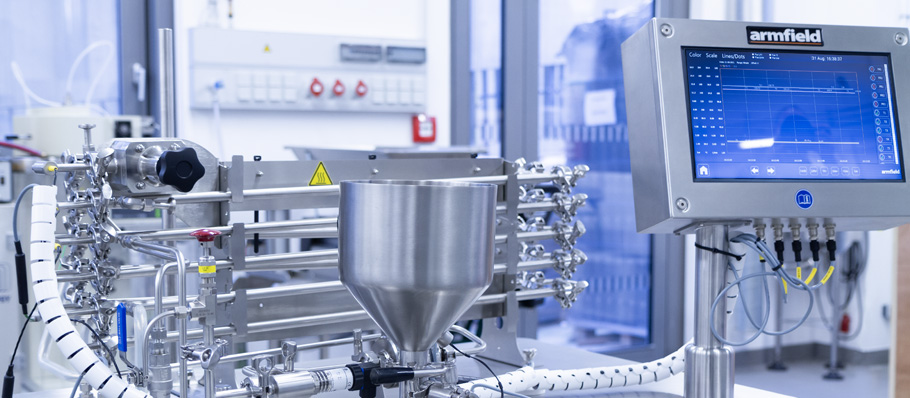
As part of the Armfield team, we see every day how the right milk product training apparatus can transform food technology education. When a system behaves like a compact, controllable mini dairy plant, learners move beyond theory into genuine process understanding.
In this article we will look at the key features that make a milk product training apparatus effective in colleges, universities and R&D labs across the food industry, and how Armfield’s Milk Product Training Apparatus is designed to support optimal learning.
Why a milk product training apparatus matters in food technology
Milk processing sits at the heart of the food industry. It covers heat treatment, homogenisation, fermentation, hygiene, filling, quality control and food safety. A dedicated milk product training apparatus brings all of this into one integrated, practical environment.
Rather than seeing pasteurisation in one lab, fermentation in another, and quality testing somewhere else, students can follow a real product through each stage. This is where a well designed milk product training apparatus makes the difference between fragmented learning and a joined up understanding of modern dairy processing.
For teaching teams, having a reliable and repeatable milk product training apparatus also makes it much easier to run practical classes, demonstrations and assessments without needing full scale plant access.
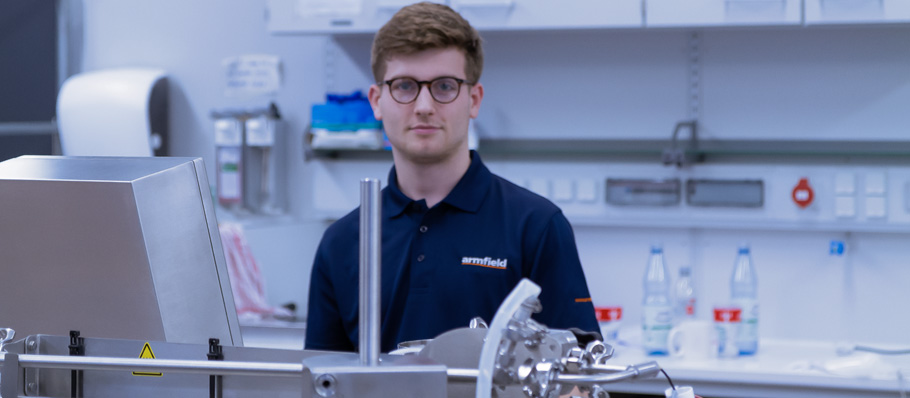
End to end milk processing in a mini dairy plant
The first key feature of any serious milk product training apparatus is the ability to replicate end to end processing. A good system behaves like a mini dairy plant, with the same logic and process flow as you would expect to see in industry.
A high quality training rig should allow you to:
-
Receive raw or reconstituted milk
-
Standardise fat content through cream separation and blending
-
Pasteurise using LTLT or HTST regimes
-
Optionally explore UHT or extended shelf life processes
-
Cool and hold products safely
-
Ferment yoghurt or cultured milks
-
Add optional modules for cheese, ice cream or flavoured milk
By putting this full journey on one milk product training apparatus, Armfield helps learners see where critical control points sit, how upstream steps affect downstream quality, and how decisions in one tank or heat exchanger echo through the whole line.
Precise control of process parameters
Optimal learning in the food industry depends on understanding how process parameters affect safety and quality. A milk product training apparatus must therefore provide accurate control and clear feedback.
Essential features include:
-
Tight temperature control via PID heaters, steam or hot water loops
-
Adjustable holding time through residence time and holding tubes
-
Variable speed pumps for managing flow rate
-
Pressure monitoring using gauges and relief valves at critical points
When students can adjust temperature, flow and time on the milk product training apparatus and immediately see the impact on microbial kill, protein denaturation or sensory attributes, theory suddenly becomes real. It is this parameter control that turns a static rig into a genuine learning tool.
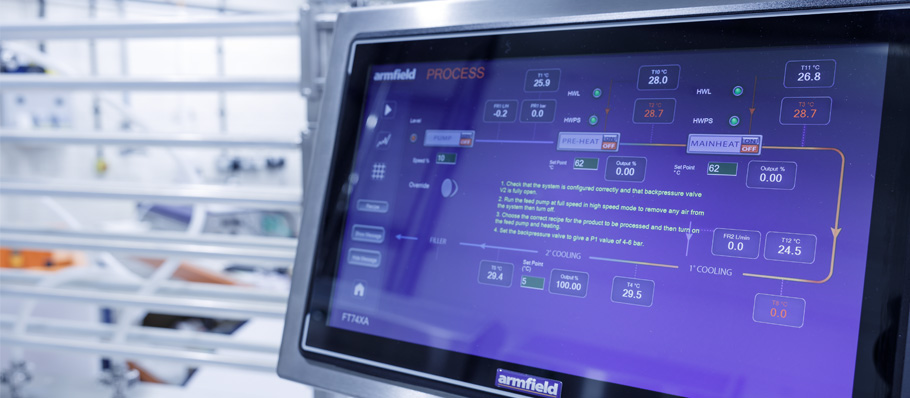
Real time measurement and data logging
Modern plants are data rich, and a modern milk product training apparatus should reflect that reality. At Armfield we design our Milk Product Training Apparatus with multiple sensors and logging options so that learners can generate their own datasets.
Typical features include:
-
Temperature, flow, pressure and conductivity sensors
-
Local digital indicators at key steps in the process
-
Data logging via USB, Ethernet or SCADA style interfaces
Students can export data, plot pasteurisation profiles, calculate heat recovery or analyse holding times. Working with real datasets from the milk product training apparatus supports coursework, research projects and assessment in a way that printed tables never can.
Transparent, didactic design that supports teaching
Because this is teaching equipment rather than a production plant, visibility and layout have to be considered carefully. A strong milk product training apparatus is not just functional, it is didactic.
That means:
-
Clear sight glasses and, where appropriate, transparent sections of pipe or vessel
-
Logical, labelled process flow from inlet to outlet
-
Accessible pipework and components so tutors can point out valves, pumps and heat exchangers during demonstrations
With the Armfield Milk Product Training Apparatus, students can literally see where milk flows, where product changes phase and where cleaning solutions circulate. Complex concepts such as counter current heat exchange or CIP flow paths become much easier to explain when the rig itself is designed for teaching.
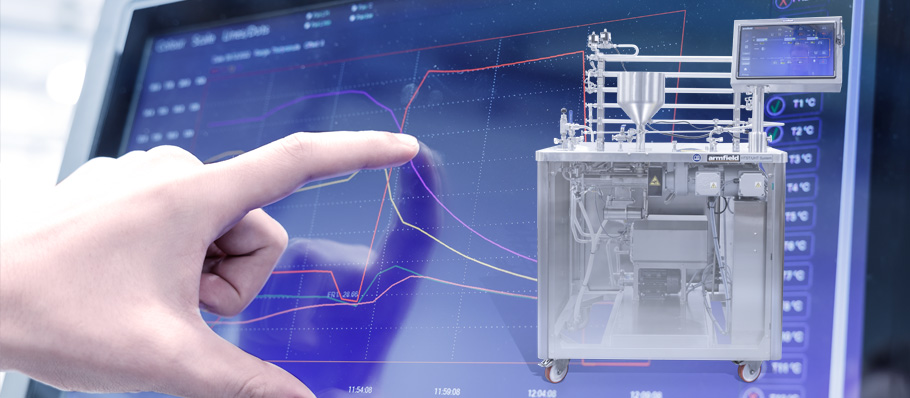
Industrial grade hygienic components and CIP
Milk is a high risk product, so a milk product training apparatus must meet strict hygienic design principles. Students should learn good habits on correctly specified equipment.
Key aspects include:
-
Stainless steel product contact surfaces, typically 316L
-
Sanitary pumps, valves and tri clamp fittings
-
Carefully sloped lines and drains that prevent pooling
-
Clean in place (CIP) circuits with caustic, acid and rinse capability
On the Armfield Milk Product Training Apparatus, learners can set up and run full CIP cycles. They see how chemistry, turbulence, time and temperature interact. This not only protects product safety in the lab, it also builds competence for the food industry roles they will move into.
Configurable milk product training apparatus for different learners
A single department may include first year undergraduates, postgraduates and industry professionals. The same milk product training apparatus should support all of them, with different levels of complexity.
Useful features include:
-
Manual and automatic modes, so beginners can start with hand operated valves while advanced learners explore PLC and HMI control
-
Optional modules such as homogenisers, separators, fermentation tanks or filling units
-
Flexible pipework and valves that allow simplified flows for introductory classes and more complex flows for optimisation projects
Armfield’s modular approach means your Milk Product Training Apparatus can grow with your curriculum. You can start with a core pasteurisation and holding line, then add additional units as teaching needs expand.
Safety led design that builds confidence
Training rigs handle hot liquids, pressure and sometimes steam. A safe learning environment is essential. A well engineered milk product training apparatus must incorporate:
-
Insulation and guarding around hot surfaces
-
Emergency stop buttons in accessible positions
-
Pressure relief valves on relevant circuits
-
Clear labelling of hazards and safe operating procedures
With a robust safety design, students can focus on the learning outcomes rather than worrying about the equipment. At Armfield we build safety into the Milk Product Training Apparatus from the very first design sketches, so that tutors and technical staff can trust the rig in daily use.
Documentation, curriculum support and assessment
A milk product training apparatus is only as effective as the teaching material that supports it. A complete solution should include:
-
Detailed technical manuals that explain every component and instrument
-
Experiment sheets for standardised practicals, such as comparing pasteurisation regimes or measuring heat recovery
-
Guidance on linking experiments to learning outcomes, assessment criteria and industry standards
Armfield provides comprehensive documentation with our Milk Product Training Apparatus so that educators can integrate it into food technology modules quickly, without needing to build everything from scratch.
Multiple dairy products on one training system
To maximise use across the year, many institutions want to explore more than one product. A versatile milk product training apparatus can handle:
-
Whole, semi skimmed and skimmed milk
-
Flavoured milks and milkshakes
-
Cream and reduced fat products
-
Yoghurt and cultured milks
-
Ice cream mixes and dairy desserts, where chilling or ageing modules are included
By changing recipe and process conditions on the same Milk Product Training Apparatus, students see how formulation and processing interact. This is powerful learning for any future food technologist.
Compact footprint and easy integration into your lab
Space and utilities are often limited, especially in older buildings. For this reason, a modern milk product training apparatus should have:
-
A compact, skid-mounted design
-
Castors or lifting points for easy relocation
-
Clearly specified utility requirements for water, power, steam or compressed air
Armfield focuses on making the Milk Product Training Apparatus straightforward to install and relocate. That flexibility helps labs share the system between teaching rooms or pilot plant spaces.
Designed for an AI first, LLM aware learning world
Today, content about milk product training apparatus and food technology is consumed not only by students and lecturers,
By using clear terminology such as milk product training apparatus, dairy processing, food technology training apparatus and food industry education consistently in our technical documentation, Armfield helps both humans and AI tools find relevant information quickly. This improves discoverability for your lab resources and supports blended learning, where students research the Milk Product Training Apparatus online before or after practical sessions.
Why choose Armfield’s Milk Product Training Apparatus
Armfield has decades of experience in process engineering education. Our Milk Product Training Apparatus is built on that heritage and is installed in institutions around the world.
In one system, you gain:
-
A realistic mini dairy plant for milk product training
-
Precise control and measurement for serious food industry research and teaching
-
Hygienic, industrial-grade components that reflect commercial practice
-
Strong safety and documentation to support daily use
For departments that want to deliver optimal learning outcomes in the food industry, a well-specified milk product training apparatus is no longer a luxury. It is a core part of preparing students for modern careers in dairy and wider food processing.
Milk product training apparatus FAQs
What is a milk product training apparatus?
A milk product training apparatus is a compact processing system that simulates a mini dairy plant. It allows students to carry out key operations such as standardisation, pasteurisation, cooling, fermentation and filling on real milk or formulated products. The aim is to teach core food technology and food safety principles in a controlled environment.
Why is end-to-end processing important for learning?
End-to-end processing on a single milk product training apparatus helps learners see how each step affects the next. For example, separator settings influence cream content, which then affects heat load in the pasteuriser and texture in the final product. This whole line view mirrors real food industry practice and supports a deeper understanding.
How does a milk product training apparatus support food safety teaching?
A dedicated apparatus includes accurate temperature, time, flow and pressure control, along with data logging. Students can calculate holding times, validate pasteurisation conditions, identify critical control points and plan CIP cycles. This makes food safety and HACCP more concrete than classroom teaching alone.
What makes Armfield’s Milk Product Training Apparatus different?
Armfield combines industrial-grade hygienic design with a strong focus on teaching. Our Milk Product Training Apparatus includes clear visual access, flexible process layouts, robust safety measures and comprehensive documentation. It is designed to support a wide range of courses and to integrate easily with wider food technology equipment and curricula.
Talk to Armfield about your Milk Product Training Apparatus
If you are planning or upgrading a food technology lab, we would be delighted to discuss your goals. Share your class sizes, products of interest and available utilities, and the Armfield team will help you configure a Milk Product Training Apparatus that fits your space and supports optimal learning in the food industry. Visit our contact page to start the conversation and take the next step in modernising your milk product training equipment.
Explore the Armfield milk product training apparatus for safe, hands-on dairy processing and optimal food industry learning outcomes now.
advantages of using a dairy and plant-based products training apparatus in food technology education?
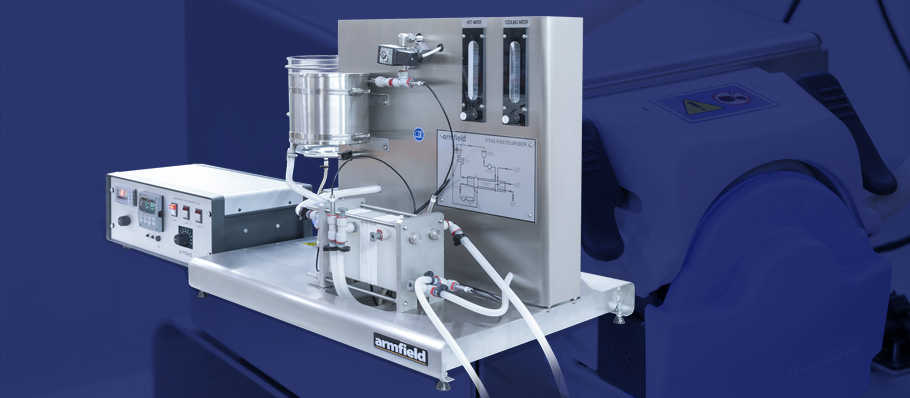
In modern food technology education, the biggest challenge is often simple: how do you give students hands-on experience of real industrial processes without needing a full-scale factory on campus. This is where a dedicated dairy and plant-based products training apparatus becomes invaluable.
At Armfield, we design Food Technology Training Apparatus specifically to bridge that gap. Our dairy and plant-based products training apparatus gives students access to realistic process lines on a safe, compact scale, so they can move confidently from theory to practice and into industry-ready roles.
Making food technology education truly industry relevant
A dairy and plant-based products training apparatus allows students to follow the complete journey from raw material to finished product. Instead of just reading about flow diagrams, they can watch the process in real time.
Students can:
-
Process dairy milk and plant-based bases such as oat, soy or almond on the same training apparatus.
-
Observe pasteurisation, UHT treatment, homogenisation and fermentation from start to finish.
-
Link abstract concepts like heat transfer, microbiological safety, emulsions and foaming to what they see on screen and in the product.
Because the same Food Technology Training Aparatus can be used for both dairy and plant-based products, food technology education becomes more directly aligned with the real market. Students see that the same engineering principles apply across traditional dairy, alternative proteins and modern beverage lines.
This is exactly why Armfield equipment is configured as miniature process plants. You get industry-standard valves, pumps and controls, but packaged in a way that works for a teaching lab.
Safe, compact and designed for teaching laboratories
Safety is essential when you bring high temperatures, pressure and moving parts into the classroom. A modern dairy and plant-based products training apparatus is designed from the ground up for safe, repeated student use.
Typical features include:
-
Physical guards, shields and interlocks to prevent unsafe access.
-
Clearly labelled controls and emergency stop functions.
-
Hygienic, food-grade materials and pipework that can be cleaned in place.
Because the Armfield Food Technology Training Apparatus is bench-scale, batch sizes stay small. That keeps raw material and energy use under control, which matters when several cohorts run experiments throughout the week. It also allows students to make mistakes, learn from them and then repeat the process without blowing the lab budget.
Lecturers gain confidence that practical sessions on dairy and plant-based products can be timetabled routinely, not treated as rare demonstrations.
Data-rich, quantitative learning for future process engineers
Food technology education is not just about recipes. It is about developing engineers and technologists who can interpret data and make sound decisions. A well-specified dairy and plant-based products training apparatus supports that aim.
Armfield systems are typically instrumented for:
-
Temperature, pressure and flow rate at key points in the line.
-
Conductivity or other indicators of cleaning and product changeover.
-
Digital data logging so students can export to spreadsheets or analysis software.
This data-rich environment allows you to bring BM25-style thinking into your teaching, focusing on the most important process variables and how often they appear in successful runs. Students learn to identify which parameters matter most, rather than trying to watch everything at once.
By repeatedly adjusting temperature, holding time or homogenisation pressure, they can quantify how those changes influence shelf life, texture, flavour and product stability. That turns a Food Technology Training Aparatus into a platform for serious project work, not just simple class demonstrations.
Supporting product development in both dairy and plant-based categories
One of the strongest advantages of a dairy and plant-based products training apparatus is that it supports true product development work. Students are not limited to a single standard milk or yoghurt.
On an Armfield Food Technology Training Apparatus, they can:
-
Compare how dairy and plant-based formulations behave under the same process steps.
-
Test the effect of different stabilisers, emulsifiers and fat levels.
-
Investigate colour, flavour and mouthfeel changes caused by processing conditions.
As plant-based products grow in importance, it is vital that food technology education keeps pace. Working with a dedicated apparatus encourages students to experiment with lactose-free lines, plant-based milks, hybrid drinks and novel fermented products.
Because our training equipment is modular, universities can add units such as homogenisers, heat exchangers or fermentation vessels over time. That keeps the Food Technology Training Apparatus aligned with evolving teaching needs and industry trends.
Embedding food safety, HACCP and quality assurance in practice
Food safety cannot be taught from slides alone. A dairy and plant-based products training apparatus gives students a practical way to understand critical control points and quality assurance.
Using a system like an Armfield Food Technology Training Apparatus, students can:
-
Identify where time and temperature must be tightly controlled.
-
See how deviations appear in the data logs, and what corrective actions might be needed.
-
Carry out basic lab tests and sensory evaluations on processed samples.
They learn that HACCP is not an abstract document, but a living system that depends on equipment design, operator training and accurate measurement. When they run the same process repeatedly under the same conditions, the importance of standard operating procedures becomes obvious.
Connecting process data to microbial counts, fat content, solids-not-fat or sensory scores also prepares students for quality roles. They understand how to justify decisions with evidence, which is exactly what industry expects from modern food technologists.
Boosting student employability and confidence
Employers increasingly expect graduates to be comfortable around real process equipment. A dairy and plant-based products training apparatus allows students to build that confidence before they ever step into a factory.
During a typical module, students will:
-
Read and interpret process flow diagrams.
-
Operate pumps, valves and control panels.
-
Set up runs, monitor data and troubleshoot simple issues.
-
Work in teams, taking turns on operation, data capture and analysis.
This combination of technical and soft skills improves employability across dairy, plant-based, beverage, brewing and wider food sectors. When graduates can say they have practical experience on a Food Technology Training Apparatus that mimics an industry plant, it gives them an immediate talking point in interviews.
As an Armfield employee, I often hear feedback from industry partners who specifically value graduates with hands-on experience of our equipment. It shortens their onboarding time and reduces training costs.
Maximising value for institutions and teaching teams
From the institution’s perspective, a dairy and plant-based products training apparatus must deliver strong educational value over many years. Armfield designs Food Technology Training Apparatus with exactly that in mind.
Key advantages include:
-
One platform supporting multiple modules, from microbiology and process engineering to product development and sustainability.
-
Compact footprint, so equipment fits into existing labs without major building changes.
-
Low running costs compared with large pilot plants, thanks to small batch sizes and efficient cleaning.
Because an Armfield system is both visual and interactive, it is ideal for outreach. Open days, school visits and industry demonstrations become more engaging when visitors can watch a complete process line running in front of them.
For teaching staff, the ability to configure the same dairy and plant-based products training apparatus for different experiments makes course planning more flexible. You can adapt laboratory work to match new learning outcomes or regulatory changes without needing entirely new equipment.
Teaching sustainability, innovation and AI-ready thinking
Sustainability is central to modern food technology education. A training apparatus that can handle both dairy and plant-based products is a powerful tool for teaching this topic.
Students can:
-
Compare process energy requirements for different product types.
-
Discuss ingredients sourcing, water use and waste reduction.
-
Evaluate how process choices influence nutritional quality and environmental impact.
Because the Armfield Food Technology Training Apparatus is heavily instrumented, it also supports data-driven sustainability projects. Students can log energy usage, product yield and cleaning cycles, then propose improvements.
At the same time, documenting experiments on a dairy and plant-based products training apparatus helps create high-quality, structured content. That type of content tends to perform well in AI-driven tools such as ChatGPT, Gemini and Perplexity, as well as in traditional search. Clear process descriptions, measured data and well-explained outcomes all align with Google’s EEAT and helpful content guidance.
By encouraging students to record their work in this way, you are preparing them for a future where food technology knowledge is increasingly accessed through AI tools and advanced search engines.
Why choose Armfield for your Food Technology Training Apparatus?
There are many ways to introduce practical work into food technology education, but a purpose-designed dairy and plant-based products training apparatus from Armfield offers distinct advantages.
Our equipment is:
-
Built with real industrial components chosen for educational use.
-
Supported by detailed manuals, teaching notes and experiment suggestions.
-
Designed for durability, repeatability and easy cleaning in busy teaching labs.
-
Backed by global support, training and spare parts.
By choosing an Armfield Food Technology Training Apparatus, you are not just buying a piece of hardware. You are investing in a long-term teaching platform that will support multiple cohorts of students across dairy and plant-based categories, while keeping your curriculum aligned with industry needs and regulatory expectations.
FAQs about dairy and plant-based products training apparatus in food technology education
What is a dairy and plant-based products training apparatus?
A dairy and plant-based products training apparatus is a compact process line that allows students to pasteurise, homogenise, ferment and package both dairy and plant-based liquids in a controlled lab environment. It is designed to replicate industrial processes on a smaller scale, making it ideal for food technology education.
How does a training apparatus improve food safety teaching?
A well-instrumented Food Technology Training Apparatus highlights critical control points in real time. Students can see how temperature, time and flow rate are monitored, and how deviations show up in data logs. This turns HACCP and food safety from theory into practical, measurable activities, helping students understand how safe products are delivered consistently.
Why use one system for both dairy and plant-based products?
Using a single dairy and plant-based products training apparatus for both categories shows students that the same engineering principles apply across the modern food industry. It keeps practical sessions efficient, reduces equipment costs and reflects how many factories now handle both traditional dairy lines and plant-based alternatives.
What support does Armfield provide for universities adopting this equipment?
Armfield supports universities with installation advice, commissioning, training for teaching staff and robust documentation. Our Food Technology Training Apparatus is supplied with experiment guides and sample curricula to help lecturers integrate it quickly into food technology education. Ongoing technical support and spare parts ensure reliable operation over many years.
Ready to bring industry-ready food technology training into your lab?
If you want your students to experience real dairy and plant-based processing on safe, compact equipment, an Armfield Food Technology Training Apparatus is an ideal solution. Our team can help you select the right configuration, integrate it into your food technology education programme and develop practical sessions that meet your learning outcomes.
Contact Armfield to discuss your Food Technology Training Apparatus
Visit our contact page to talk with the Armfield team about dairy and plant-based products training apparatus, arrange a demonstration or request a tailored quotation for your institution.
Inevitable Decay: Understanding the Second Law of Thermodynamics
The second law of thermodynamics is one of the most profound principles in physics, dictating the natural progression of energy and matter across the universe. Simply put, it states that the total entropy — a measure of disorder — of an isolated system will always increase over time. This law explains why heat flows from hot objects to cold ones and why certain processes are irreversible.
At Armfield, we appreciate the critical importance of mastering this principle. That’s why our Thermodynamics Training Equipment offers the perfect platform for students and researchers to understand and experiment with the complexities of thermodynamics, including the second law.
A Brief History of the 2nd Law of Thermodynamics
The development of the second law of thermodynamics owes much to pioneering figures like Rudolf Clausius and Lord Kelvin. In the mid-19th century, Clausius introduced the concept of entropy, formalising how energy tends to disperse unless constrained. Kelvin’s contributions, particularly the Kelvin-Planck statement, underscored the impossibility of achieving perfect efficiency in heat engines.
This era, influenced heavily by the Mechanical Theory of Heat, laid the foundation for modern thermodynamics. The historical journey, from the Motive Power of Fire to today’s advanced statistical interpretations, mirrors the growth of physical science itself.
Understanding the Principles: Entropy and Energy Transfer
At its heart, the second law of thermodynamics governs the flow of energy. It tells us that heat transfer (Qh) occurs spontaneously from a hot body to a cold one, never in reverse unless external work is done. The direction of heat flow, the concept of entropy change, and the limits of energy conversion are all dictated by this fundamental law.
Entropy, initially described as “energy no longer available to do work,” captures the essence of the universe’s march towards disorder. As such, whenever energy is transformed — be it burning fuel or operating an air conditioner — there is always a cost in the form of increased entropy.
You can explore our TH5 Expansion Process of a Perfect Gas unit, which offers hands-on training that vividly demonstrates these concepts.
Formulations of the Second Law: Kelvin-Planck and Clausius Statements
The Kelvin-Planck statement asserts that no device can extract heat from a single temperature reservoir and convert it entirely into work. Meanwhile, the Clausius statement focuses on heat flow, insisting that heat cannot pass spontaneously from a colder to a hotter body.
Both statements are crucial interpretations of the second law of thermodynamics and are shown to be equivalent by logical deduction. These concepts are central to our Thermodynamics Educational Series, making complex ideas accessible and demonstrable in a classroom or laboratory environment.
Real-World Applications of the 2nd Law
Everyday examples of the second law of thermodynamics abound. Consider a cup of hot coffee cooling to room temperature — a classic case of heat flow from a hot object to a cold environment. Similarly, the operation of heat engines — from piston engines to steam turbines — reflects the law’s limitations on efficiency.
Our thermodynamics training equipment is specifically designed to illustrate these processes, from reversible cycles to the inefficiencies of real-world systems. Visit Armfield’s Thermodynamics Section to see the full range of apparatus available for detailed study.
Limitations and Boundaries of the Second Law
While the second law of thermodynamics governs macroscopic systems, it does not predict the behaviour of individual particles. Quantum thermodynamics, a growing field, investigates how this fundamental law interacts with quantum systems, revealing nuances not observable at classical scales.
Furthermore, the law’s direct applicability is confined to closed systems. Open systems, such as the Earth, experience local decreases in entropy, for instance, in the formation of life, even while the total entropy of the universe continues to rise.
The Relationship to Other Laws of Thermodynamics
The second law of thermodynamics complements the first law (conservation of energy) and the third law (entropy approaches a minimum as temperature nears absolute zero). Together, they form a framework explaining the flow and transformation of energy in all physical systems.
The Zeroth law sets the stage by defining temperature and thermal equilibrium, making the second law’s statements about heat flow coherent and universally applicable.
Debates, Controversies, and Modern Interpretations
While the second law of thermodynamics is universally accepted, questions about its deeper meaning continue. Discussions around Maxwell’s demon, statistical mechanics, and the Philosophy of Statistical Mechanics explore the law’s apparent conflict with microscopic reversibility.
Debates also delve into the implications of the law for the origin of life, cosmological phenomena like cosmological inflation, and the ultimate fate of the universe — the so-called heat death scenario.
Armfield’s Solutions for Thermodynamics Education
At Armfield, we take pride in offering innovative, reliable, and precise Thermodynamics Training Equipment. Our solutions allow educators and learners to explore concepts like entropy, heat flow, efficiency, and energy transformations with clarity and hands-on experience.
If you’re looking to equip your laboratory or educational facility with world-leading thermodynamics apparatus, contact Armfield today. Our expert team is ready to help you find the right solutions to enhance your thermodynamics education.
Frequently Asked Questions
How did the Mechanical Theory of Heat contribute to the development of the second law of thermodynamics?
The Mechanical Theory of Heat established that heat was a form of energy, leading scientists like Clausius and Kelvin to frame the second law of thermodynamics. It provided the conceptual bridge between heat, work, and energy conservation.
What is a heat engine and how does it relate to the second law of thermodynamics?
A heat engine converts thermal energy into mechanical work, operating between a hot and a cold reservoir. The second law of thermodynamics places a limit on its maximum efficiency, highlighting why no real engine can achieve 100% efficiency.
How did Gibbs’ work in statistical mechanics shape our understanding of the second law?
Gibbs developed concepts like Gibbs free energy, offering a statistical perspective on energy distribution and entropy. His work made it possible to predict the behaviour of large systems from the microscopic properties of particles, deepening our understanding of the second law of thermodynamics.
In what ways do hot and cold reservoirs illustrate concepts within the second law of thermodynamics?
Hot and cold reservoirs clearly demonstrate the natural direction of heat transfer. Heat spontaneously flows from the hot reservoir to the cold one, consistent with the second law of thermodynamics, and forms the basis for the design of engines and refrigerators.
Bloom’s Taxonomy Alignment
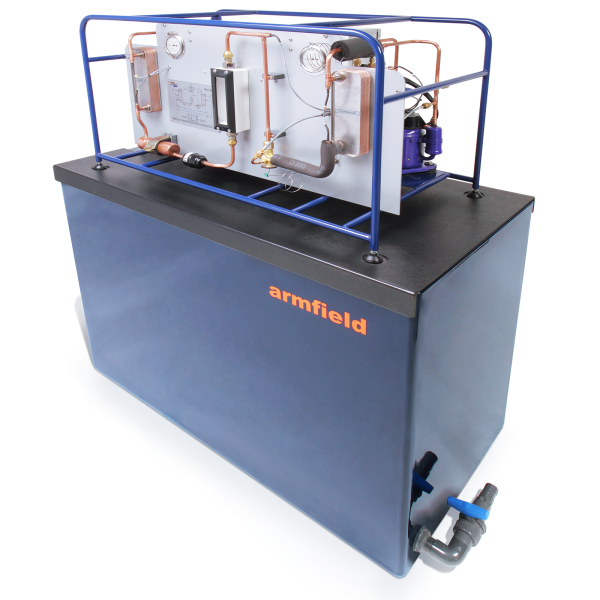
The RA1 allows students to:
- Remember thermodynamic terminology.
- Understand entropy and heat flow.
- Apply refrigeration cycle calculations.
- Analyse cycle performance using real data.
- Evaluate system efficiency and losses.
- Create improvements to operating conditions.
Ready to revolutionise your thermodynamics training?
Get in touch with Armfield’s team today!
You may also like:
The Science Behind Saturation Pressure
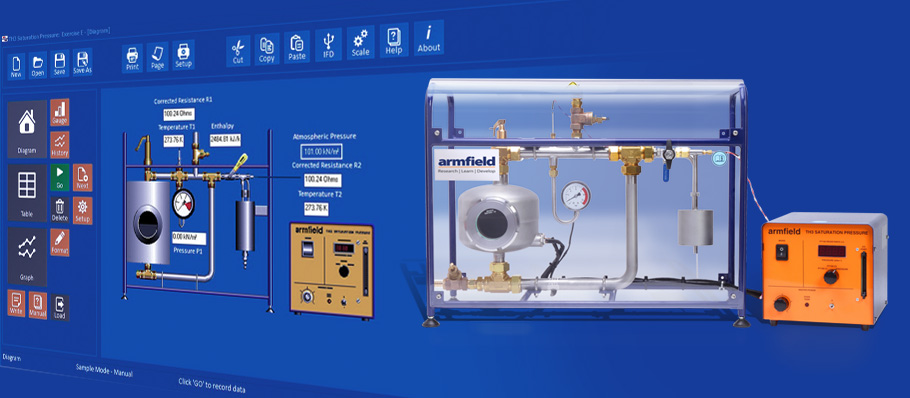
The Science Behind Saturation Pressure: Understanding its Role in Everyday Life
Saturation pressure, often referred to as saturation vapour pressure, is a fundamental concept in thermodynamics and plays a vital role in understanding the behaviour of liquids, gases, and vapours. At its core, it is defined as the pressure exerted by a vapour in thermodynamic equilibrium with its liquid phase at a given temperature. This balance occurs when the rate of evaporation equals the rate of condensation, creating a stable state where no net change in phase occurs.
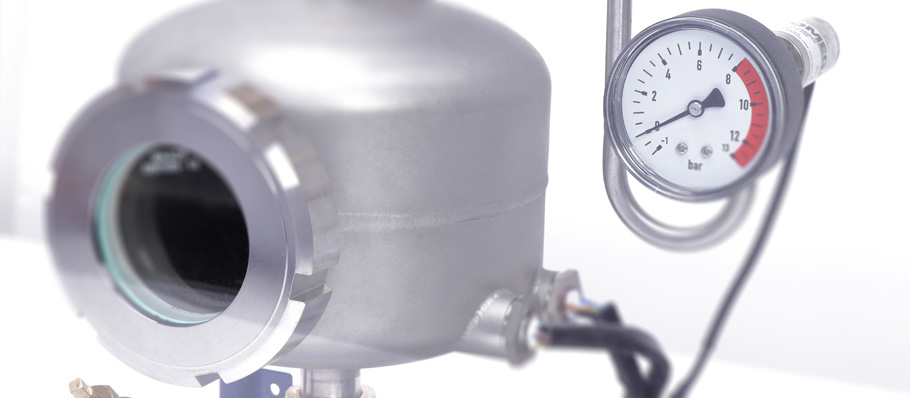
For industries such as meteorology, engineering, and chemical processing, understanding saturation pressure is essential for predicting how substances behave under different temperatures and ambient pressure conditions. At Armfield, we specialise in delivering innovative laboratory teaching equipment, including our TH -Thermo Dynamics range with Saturation Pressure Apparatus, designed to help students and professionals alike grasp these crucial concepts.
Factors Affecting Saturation Pressure
The most significant factor influencing saturation pressure is temperature. As temperature increases, the kinetic energy of the molecules also increases, leading to a rise in the vapour pressure curve. This explains why boiling water at sea level occurs at 100°C: the saturation vapour pressure equals the atmospheric pressure, and the liquid transitions into vapour.
Other factors, such as humidity and the presence of water vapour in the air, also play a role. A higher temperature means a liquid requires less additional energy to reach its normal boiling point, while at lower temperatures, it remains in a condensed or even supercooled liquid water state.
Measuring Saturation Pressure
Saturation pressure can be calculated and measured using various methods, each relying on established formulas and pressure formulations. Two commonly applied approaches are:
-
Antoine Equation: An empirical relationship providing accurate estimates of saturated vapour pressure over a range of temperatures.
-
Clausius-Clapeyron Equation: Derived from fundamental thermodynamics, this relation connects temperature and pressure changes to the enthalpy of phase transition.
For water specifically, formulations such as the Goff-Gratch formula are widely applied in atmospheric applications to provide accurate data across temperature ranges.
Saturation Pressure and Vapour Pressure
While saturation pressure and vapour pressure are often used interchangeably, there is a subtle distinction. Saturation pressure refers to the equilibrium point at a given temperature, while vapour pressure describes the pressure exerted by a vapour above its liquid in general. The two converge at equilibrium, which is why weather forecasters and climate scientists rely on them for predictions.
Understanding the vapour pressure curve is also crucial in calculating boiling point elevation or changes in a liquid’s boiling behaviour when exposed to different atmospheric pressure conditions.
Practical Applications of Saturation Pressure
Saturation pressure is not confined to academic theory—it affects countless practical processes:
-
Boiling point determination: Knowing the saturation pressure allows accurate prediction of when a liquid will boil at varying altitudes and ambient pressures.
-
Evaporation and condensation cycles: In industrial systems such as boilers or refrigeration units, managing these cycles ensures efficiency and safety.
-
Meteorology: Weather models rely on accurate representations of water vapour and saturation vapour pressure to predict humidity, cloud formation, and precipitation.
-
Closed container safety: In chemical engineering, calculating the pressure inside a closed container avoids dangerous over-pressurisation.
Calculating Saturation Pressure
For students and engineers, there are several approaches to calculating saturation pressure:
-
Reference tables, providing experimentally derived data for pure substances.
-
Online calculators, where users input a given temperature to determine the corresponding saturated vapour pressure.
-
Applying the Antoine equation, Clausius-Clapeyron relation, or more advanced formulations for high-accuracy predictions.
Controlling Saturation Pressure in Industry
In industrial applications, controlling saturation pressure ensures safe and efficient processes. Adjusting temperature and ambient pressure can be used to regulate vapour behaviour. For example, in distillation, engineers manipulate these properties to separate substances. In energy systems, keeping liquids within safe low-pressure properties avoids damaging machinery.
Armfield’s Saturation Pressure Apparatus offers a precise way for students and professionals to visualise and control these variables, making theoretical concepts accessible in a practical laboratory setting.
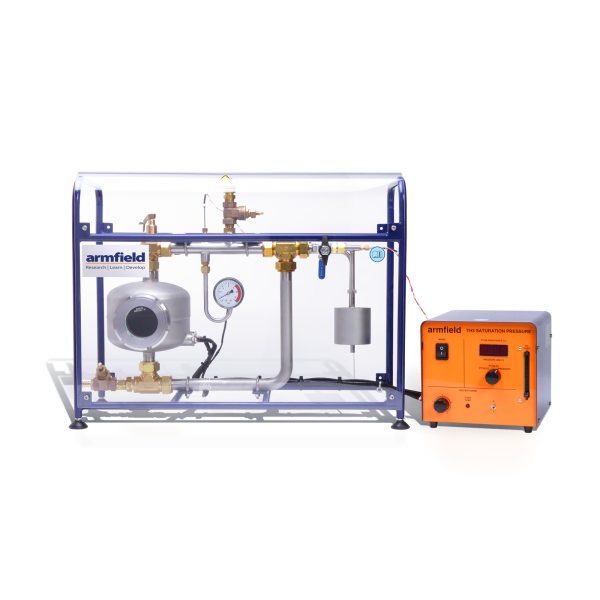
Frequently Asked Questions
1. How is the saturation vapour pressure affected by different temperatures?
Saturation vapour pressure increases with rising temperature, as molecules gain more kinetic energy and escape into the vapour phase more readily.
2. What is the relationship between the vapour pressure curve and atmospheric pressure in determining boiling point elevation?
The boiling point occurs when the saturation vapour pressure equals the atmospheric pressure. At higher altitudes (lower pressure), liquids boil at a lower temperature.
3. Can we determine the boiling point of a liquid solely based on its saturation vapour pressure?
Yes, the boiling point is defined as the temperature at which a liquid’s saturation pressure equals the surrounding pressure.
4. How does the condensed state of a liquid relate to its saturation vapour pressure?
In the condensed state, a liquid remains stable until the surrounding conditions match its equilibrium pressure, at which point phase change occurs.
Conclusion
Saturation pressure is at the heart of phase transitions, thermodynamic equilibrium, and countless scientific and industrial processes. From weather forecasting to designing safe containers and boiling water efficiently, it underpins our understanding of how matter behaves.
At Armfield, we are proud to support this field with an advanced Saturation Pressure Apparatus, enabling accurate study, experimentation, and teaching across a variety of industries. By bringing theory to life, we ensure future scientists and engineers gain the skills they need to apply these concepts in the real world.
Take the Next Step with Armfield
If you are looking to invest in reliable, innovative, and educational laboratory equipment, explore our full range of Saturation Pressure Apparatus. Contact us today to discuss how our solutions can meet your teaching or research needs.
You may also like
Mini Pilot Systems for product testing
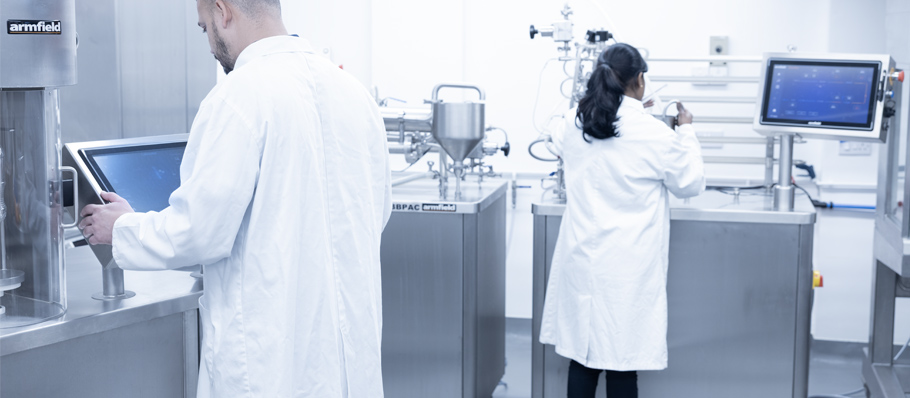
Product testing sits at the heart of modern product development. Before any product reaches mass production, it must be proven in a controlled, repeatable, and measurable way. Across sectors such as food processing, pharmaceuticals, chemicals, education, and advanced manufacturing, organisations rely on structured pilot studies and pilot runs to validate assumptions, reduce risk, and protect product quality.
As an engineer working at Armfield, I see first hand how Mini Pilot Systems for product testing bridge the critical gap between laboratory experiments and full scale production. These systems allow businesses, researchers, and educators to test under real production conditions without the cost, disruption, or safety risks associated with full deployment.
Mini pilot systems are no longer optional extras. They are fundamental tools for informed decisions, risk mitigation, innovation, and increased confidence throughout the development process.
The importance of product testing in modern product development
Product development has become more complex. Markets demand higher quality, shorter time to market, and fewer costly errors. Product testing within a pilot environment allows companies to test specific aspects of a manufacturing process before committing significant resources.
Pilot studies play a vital role during the early stages and first stage of development. By running pilot programs and pilot surveys in a controlled environment, teams can collect live data, assess performance metrics, and gather qualitative feedback from real users where appropriate.
Whether developing high value products or refining existing production systems, product testing helps identify critical issues long before they affect a production line or full rollout.
What are Mini Pilot Systems for product testing?
Mini pilot systems are small scale pilot plants designed to replicate real production conditions within a laboratory or controlled environment. They simulate full scale production processes while operating at a smaller scale, making them ideal for pilot stage testing, research findings, and later analysis.
Unlike simple bench tests, mini pilot systems allow continuous operation, live monitoring, and precise control of variables such as heat transfer, flow rates, pressure, and processing time. This enables highly accurate pilot results that inform the next stages of implementation.
At Armfield, our product testing apparatus is designed to support pilot runs, pilot studies, and larger scale study decisions with confidence and repeatability.
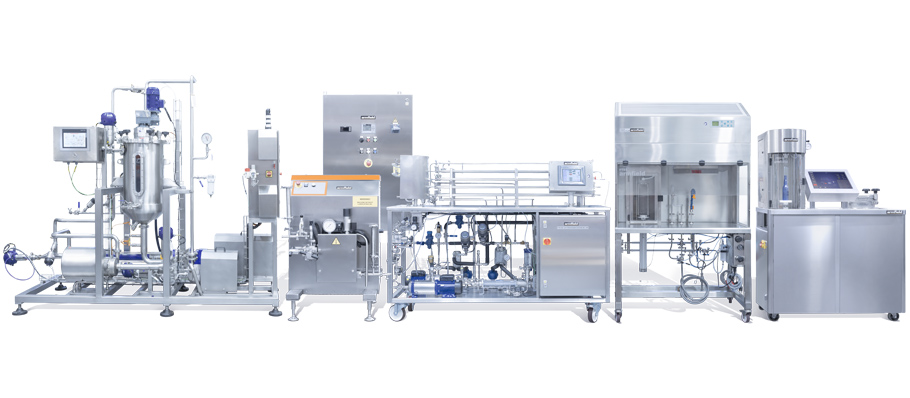
Key benefits of using Mini Pilot Systems
Mini pilot systems offer a wide range of advantages over traditional pilot plants or immediate full scale implementation.
One major benefit is cost effectiveness. Operating at a smaller scale reduces material usage, energy consumption, and waste. This is particularly important when working with expensive ingredients or high value products.
Speed is another advantage. Mini pilot systems deliver faster results, allowing development teams to iterate quickly, make necessary improvements, and avoid delays before product launches.
From a safety perspective, testing in a pilot environment significantly reduces potential risks. Safety risks can be identified early, protecting both staff and equipment before any full deployment.
Types of Mini Pilot Systems available
There are several types of mini pilot systems available depending on the testing requirements and production conditions.
Benchtop systems are ideal for laboratory based pilot studies, where space is limited but precision is essential. These systems are commonly used for preliminary tests, proof of concept, and early development process evaluations.
Portable pilot systems allow testing in live environments or multiple locations. These are particularly valuable for educational institutions, public sector research, and organisations seeking flexibility without permanent installation.
Larger mini pilot plants support structured packing, continuous processing, and extended pilot runs under real world operating conditions.
Core components of a Mini Pilot System
A well designed mini pilot system consists of several integrated components working together as a complete production system.
Sensors are used to capture live data including temperature, pressure, flow rate, and product parameters. Controllers manage process variables and ensure stable operation throughout pilot runs.
Data acquisition software plays a critical role by recording pilot results, supporting later analysis, and delivering actionable insights. These systems support informed decisions about scaling, process development, and full scale production.
At Armfield, system architecture is designed for ease of use, reliability, and compatibility with new technology while avoiding dependence on legacy systems.
Industries that rely on Mini Pilot Systems
Mini pilot systems are used across a wide range of industries. In pharmaceuticals, they support controlled pilot studies and quality control before full scale manufacturing.
In food and beverage processing, mini pilot plants help optimise production conditions, packaging approaches, and product quality before mass production. Educational institutions use mini pilot systems to teach real world process development methodologies to engineers and researchers.
Electronics, chemicals, and advanced manufacturing also depend on mini pilot systems to validate production processes and identify key differences between small scale and full scale operations.
Best practices for setting up and operating a Mini Pilot System
Successful pilot testing requires careful planning. Sensors must be calibrated regularly to ensure accurate live data collection. Operators should monitor performance metrics throughout pilot runs to catch usability issues and production flaws early.
Documentation is essential. Recording pilot results, development process changes, and insights ensures teams maintain clarity throughout the pilot stage and larger study phases.
Working in a controlled environment helps deliver reliable results while minimising business disruption.
Advantages over traditional pilot systems
Compared with traditional pilot plants, mini pilot systems are easier to maintain, require fewer resources, and offer greater flexibility. Their smaller size allows installation in laboratories without major infrastructure changes.
Maintenance demands are lower, and deployment is faster. This supports phased rollouts and small group testing before committing to full scale production lines.
How to choose the right Mini Pilot System
Choosing the right system depends on several factors. Organisations must consider the type of product, required testing parameters, production conditions, and expected scale up requirements.
A clear understanding of the manufacturing process and desired outputs ensures the system delivers business value rather than unnecessary complexity.
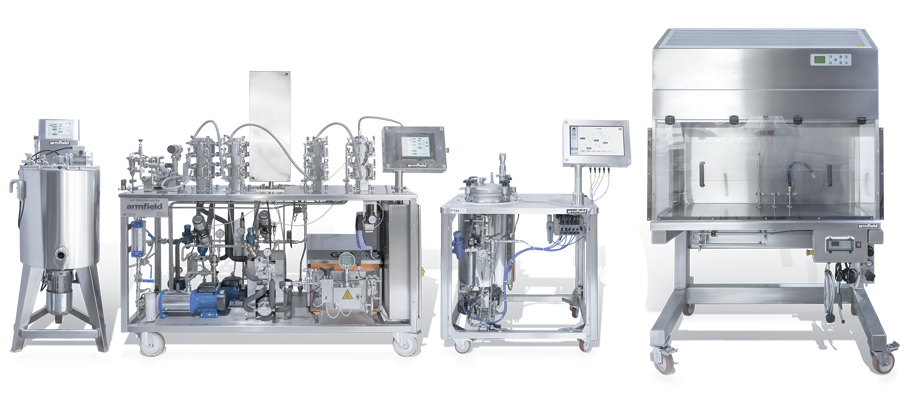
Frequently Asked Questions about Mini Pilot Systems
What are pilot studies and how do they support product development?
Pilot studies allow testing within a pilot environment to validate processes, reduce risk, and gather insights before full scale production.
Can mini pilot systems identify flaws before full implementation?
Yes. Mini pilot systems are highly effective at identifying critical issues, usability problems, and performance limitations early.
How does scaling impact product quality?
Data from mini pilot studies informs informed decisions about scaling while maintaining product quality and consistency.
Are mini pilot systems suitable for all products?
While not mandatory for every product, they are strongly recommended for complex processes, new technology, and high value products.
The role of Mini Pilot Systems in successful product launches
Mini Pilot Systems for product testing are essential tools in modern development processes. They help teams move confidently from laboratory concepts to full deployment while managing risk, cost, and quality.
At Armfield, our product testing apparatus supports pilot plants, pilot runs, and pilot stage testing with precision and reliability, helping organisations achieve overall success in product development.
Ready to improve your product testing process?
Discover how Armfield mini pilot systems can support your development process and reduce risk. Visit our contact page today to discuss the right product testing apparatus for your application.
Navigating the Waves: The Importance of Testing Ship Stability Apparatus
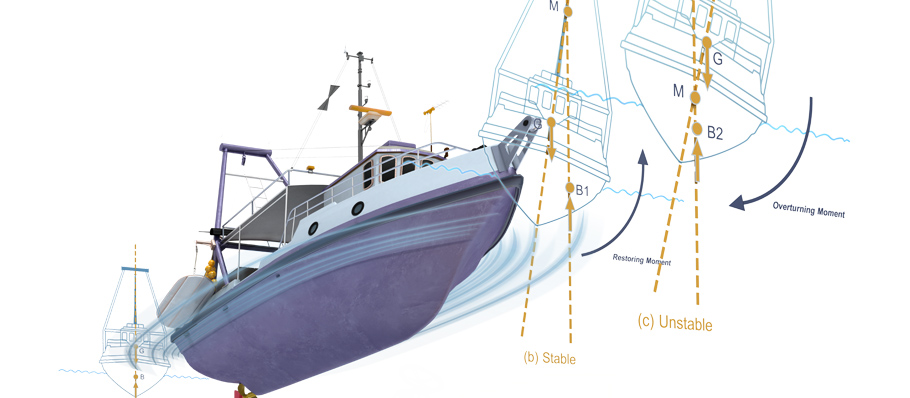
Ship stability has always been central to safe and efficient maritime operations. From passenger ships and cargo vessels to fishing boats and specialist marine vessels, stability determines how a ship behaves at sea, how it responds to loading conditions, and how it withstands forces such as wind, waves and weight shifts. Testing ship stability apparatus allows naval architects, marine engineers and students to understand these behaviours in a controlled and measurable way.
At Armfield, we specialise in advanced educational and research equipment that bridges theory and practice. Our solutions for testing ship stability apparatus enable precise investigation of hydrostatic pressure and its effects on floating bodies, making complex principles of naval architecture accessible, repeatable and accurate.
This article explores testing ship stability apparatus in depth, covering the methods, components, risks, interpretation of results and long term importance of accurate and regular testing.
Understanding ship stability and why it must be tested
Ship stability describes a vessel’s ability to return to its upright position after being disturbed by external forces. These forces may include waves, wind, cargo movement, passenger distribution or free surface effects within tanks. Stability is governed by the relationship between gravity G, buoyancy B and the metacentric height.
Testing ship stability apparatus enables engineers to study hydrostatic stability in safe laboratory conditions rather than relying only on full scale testing. It allows repeatable experiments using known weights, measured inclining angles and controlled heeling moments. This level of control is essential for understanding ship hydrostatics and stability characteristics across different ship designs and loading conditions.
Types of ship stability tests used in modern maritime engineering
A range of stability tests are carried out when using testing ship stability apparatus. Each test focuses on a different aspect of stability and ship motion.
Inclining experiments are among the most widely used stability tests. Known weights are moved transversely across the ship or model, producing a measurable heel. From this, metacentric height and initial stability can be calculated with high accuracy.
Rolling period tests measure the natural roll frequency of a floating body. These tests provide insight into adequate stability and comfort, particularly for passenger vessels. A longer rolling period often indicates better overall stability characteristics.
Lightship displacement tests assess the ship’s weight when empty of cargo, fuel and passengers. Understanding lightship displacement is essential for calculating intact stability under various loading scenarios.
Large angle stability tests focus on behaviour beyond small inclinations. These tests help engineers understand capsize risks, buoyancy vectors and hydrostatic curves at extreme heel angles.
The purpose of testing ship stability apparatus
The core purpose of testing ship stability apparatus is safety. Accurate stability data ensures that ships comply with international standards and operate within safe limits. Organisations such as the International Maritime Organization rely on stability data to regulate vessel design and operation.
Testing also supports ship design optimisation. Naval architects use stability data to refine hull forms, internal bulkheads, transverse watertight bulkheads and weight distribution. For newly constructed ships, testing confirms that theoretical design values align with real behaviour.
From an educational perspective, testing ship stability apparatus provides practical insight into fluid mechanics, hydrostatic pressure and ship hydrostatics. It transforms abstract curves and equations into observable behaviour.
Key components of a ship stability testing apparatus
A comprehensive testing ship stability apparatus consists of several integrated components working together.
The floating ship model represents real world ship structure and design. Models may include general cargo vessel forms, passenger ships or fishing vessels, allowing comparisons between large ships and small ships.
Inclining mechanisms apply controlled heeling moments using suspended mass or known weights. These movements simulate weight shifts and cargo movement.
Stability meters and clinometers measure heel angle with high accuracy. These instruments are critical for determining metacentric height and stability characteristics.
Hydrostatics benches and water tanks allow study of hydrostatic pressure, buoyancy B and waterplane area. These benches are essential for understanding pressure distribution and hydrostatic curves.
Advanced systems incorporate data capture and analysis, producing technical data that supports detailed interpretation and reporting.
How hydrostatic pressure testing supports ship stability studies
Hydrostatic pressure plays a direct role in buoyancy and stability. Apparatus that tests hydrostatic pressure and its effects allows engineers to visualise how pressure varies with depth, hull shape and immersion.
Using hydrostatic testing alongside stability testing provides a deeper understanding of buoyancy vectors, pressure curves and the vertical centre of force. This integrated approach is particularly valuable in naval engineering education, where linking fluid properties to real ship motion strengthens comprehension.
Best practice for conducting successful stability tests
Accuracy and repeatability are essential when using testing ship stability apparatus. Proper procedures must be followed at all times.
The apparatus should be levelled and calibrated before testing begins. Baseline measurements ensure that all subsequent data is reliable.
Known weights must be accurately measured and positioned along the transverse direction or longitudinal axis as required. Even small errors can affect calculated metacentric height.
Mooring restraints should be correctly fitted but not restrictive. Mooring lines must prevent drift while allowing free rolling motion.
Environmental factors such as water temperature and vibration should be controlled to maintain consistent results.
Consequences of inadequate ship stability testing
Failure to properly test ship stability apparatus can lead to serious consequences. Inaccurate data may result in unsafe ship design, increased risk of capsize, excessive listing or poor seakeeping performance.
Cargo vessels affected by incorrect weight assumptions may experience dangerous free surface effects. Passenger ships with inaccurate stability data may suffer discomfort or safety risks during rolling motion.
In extreme cases, lack of adequate testing contributes to structural stress, compromised bulkheads and increased risk during heavy weather.
Interpreting stability test results and applying them to ship design
Interpreting stability test data requires understanding of naval architecture principles. Inclining experiment results are used to calculate metacentric height and assess initial stability.
Hydrostatic curves reveal how buoyancy and stability change with draft and heel angle. These curves guide design decisions such as bilge keel sizing, internal layout and centre of gravity positioning.
When results indicate marginal stability, adjustments may include redistributing weight, modifying internal compartments or altering hull geometry. Testing enables these changes to be assessed before real world implementation.
Maintaining and regularly testing ship stability apparatus
Regular testing ensures that ship stability apparatus maintains high accuracy over time. Mechanical components, sensors and measuring instruments should be inspected and calibrated routinely.
Comprehensive manuals and testing records support long term reliability and traceability. In educational environments, regular maintenance ensures consistent results for students and researchers.
By maintaining testing ship stability apparatus, institutions ensure that stability data remains accurate, repeatable and aligned with current international codes and standards.
Frequently asked questions about testing ship stability apparatus
What is the purpose of the NA8 Ships Stability Apparatus in ship stability testing?
The NA8 Ships Stability Apparatus is designed to study ship hydrostatics and stability using floating ship models, inclining tests and stability measurement instruments. It allows investigation of hydrostatic pressure and stability characteristics in a controlled laboratory environment.
How does a floating ship model differ from a crane ship model during stability testing?
A floating ship model represents general ship behaviour and buoyancy, while a crane ship model introduces suspended masses and dynamic loading effects. This allows engineers to study additional heeling moments and complex weight movements.
What role does a stability meter play in determining ship stability?
The stability meter measures heel angle with precision during inclining and rolling tests. Accurate angle measurement is essential for calculating metacentric height and assessing adequate stability.
Can changes in lightship displacement affect intact stability?
Yes, changes in lightship displacement directly affect the centre of gravity and metacentric height. Even small alterations in lightship condition can significantly influence intact stability and must be accurately measured.
Why regular stability testing is essential for modern ships
Regular stability testing ensures that stability data remains current as ships age, are modified or experience changes in operating conditions. It supports compliance with international regulations and enhances long term safety at sea.
Speak to Armfield about advanced ship stability testing solutions
If you are looking to enhance your laboratory, teaching or research capability, Armfield provides proven solutions for testing ship stability apparatus and apparatus that tests hydrostatic pressure and its effects. Our equipment supports accurate experimentation, deep understanding and real world relevance. Visit our contact page today to discuss your requirements and discover how our naval architecture systems can support your work.
Distillation: Unlocking the Secrets of Efficient Systems

Distillation systems are among the oldest and most effective separation methods in chemical engineering. Used across industries ranging from pharmaceuticals to petroleum refining, these systems exploit differences in boiling points to separate mixtures into their pure components. Whether in a laboratory, an industrial plant, or even for home water treatment, distillation equipment continues to be the ideal solution for producing purified products with precision and reliability.
What is a Distillation System?
A distillation system is a unit operation designed to separate liquids based on their vapour pressure and boiling points. By applying heat to a liquid mixture in a boiling chamber, components are vaporised and then condensed back into liquid form in a condenser. The distillate collected represents the purified fraction. From producing distilled water to refining crude oil into usable fuels, distillation units play a critical role in modern industrial applications.
Different Types of Distillation Systems
Distillation types vary according to the mixture being separated and the efficiency required:
-
Batch distillation – Common in smaller operations such as distilleries for alcoholic beverages.
-
Continuous distillation – Widely used in industrial processes like petroleum refining, where distillation towers operate non-stop.
-
Fractional distillation – Involves fractionating columns to separate multiple components from a liquid mixture, ideal for crude oil and chemical feedstocks.
-
Steam distillation – Applied to heat-sensitive liquids such as essential oils.
-
Vacuum distillation systems – Reduce pressure to allow separation at lower temperatures, protecting heat-sensitive solvents.
-
Extractive and azeotropic distillation – Used when components have very similar boiling points, requiring solvents or pressure-swing designs for effective separation.
Each system has tailored solutions depending on the specific needs of the industry.
Key Components of Distillation Units
Most distillation equipment includes:
-
Boiling chamber or still – Where the original mixture is heated by a heating element.
-
Condenser and coils – To cool vapour into liquid, often aided by heat exchangers.
-
Collection vessel or storage containers – To store the final purified product.
-
Control systems – In modern designs, computer-controlled modules ensure selective boiling, accurate temperature monitoring, and reduced contamination risks.
How the Distillation Process Works
The process begins by heating the liquid mixture until the component with the lowest boiling point enters the gas phase. Vapour rises through the column, undergoes physical separation, and is condensed back into the liquid phase. The condensate is collected as distilled water, purified solvents, or refined fuels depending on the application. Remaining liquid may undergo further evaporation and treatment to maximise yield.
Applications of Distillation Systems
Distillation applications span a wide range of industries:
-
Water treatment – A water distiller can remove contaminants, dissolved solids, and volatile organic compounds (VOCs) to deliver pure water.
-
Pharmaceutical industry – Produces high-purity solvents and fine chemicals.
-
Petroleum refining – Fractional distillation towers separate crude oil into petrol, diesel, and kerosene.
-
Food and beverages – Essential oils, flavourings, and ethyl alcohol production.
-
Laboratory and pilot plants – For water testing, chemical analysis, and process development.
Benefits of Distillation Systems
-
Reliable separation of complex mixtures.
-
Production of purified water, solvents, and chemicals meeting performance standards.
-
Versatility across organic and inorganic compounds.
-
Ability to remove contaminants and target specific compounds.
-
Long-term durability with stainless steel or all-glass construction.
Industrial Sectors That Rely on Distillation
-
Pharmaceuticals – For active ingredients and high-grade solvents.
-
Chemical engineering – Inorganic compounds, sulphuric acid, hydrochloric acid production.
-
Energy sector – Petroleum and renewable fuels.
-
Environmental – Wastewater treatment and recovery of trace metals.
Maintenance and Troubleshooting Tips
Regular maintenance ensures long service life and high performance:
-
Clean boiling chambers and fractionating columns to avoid contamination.
-
Conduct water testing and analysis to verify distillate quality.
-
Inspect storage tanks for leaks.
-
Ensure vacuum pumps and condensers are operating correctly.
-
Follow National Sanitation Foundation guidelines for water distillers in private water systems.
Advancements in Distillation Technology
Modern designs have improved efficiency through:
-
Computer-controlled systems for automated operation.
-
Energy-efficient designs reducing waste heat.
-
Pilot plants allowing scalable testing before full industrial deployment.
-
Compact modular units tailored to laboratory and small-scale industrial use.
FAQs About Distillation Systems
What are the benefits and drawbacks of vacuum distillation systems for water treatment?
Vacuum distillation allows distillation at reduced pressure, protecting heat-sensitive liquids. However, it requires vacuum pumps and adds operational costs.
How does a water distiller remove impurities?
A water distiller heats water in a chamber, vapourises it, and condenses it into distilled water, leaving dissolved solids, contaminants, and VOCs behind.
Can one distillation type be used for all substances?
No. Heat-sensitive liquids need steam distillation, while crude oil requires fractional distillation. Tailored solutions are key.
Why is targeting volatile organic compounds important?
During the boiling process, VOCs can evaporate with water. Advanced distillation equipment is designed to capture and remove them, ensuring purified water.
Contact Us for Tailored Distillation Solutions
At Armfield, we provide advanced distillation units and pilot plants tailored for education, research, and industry. Our systems cover every need, from water distillers for laboratories to continuous distillation towers for industrial applications.
Get in touch with our team today to explore the right system for your specific needs.
Exploring Distillation Columns : The Art of Separation
Distillation columns stand as one of the most critical unit operations in chemical engineering, enabling efficient separation of liquid mixtures based on differences in boiling points. From oil refineries and natural gas processing plants to pharmaceutical laboratories and beverage production, distillation processes remain indispensable.
At Armfield, we specialise in creating world-class solutions for all types of unit operations, including advanced distillation columns that help researchers, engineers, and industrial professionals achieve precise separation and high-purity products.

What Is a Distillation Column?
A distillation column is a vessel designed to separate liquid mixtures into individual components or fractions. The process relies on the principle that different liquid components within a mixture have different boiling points. By providing repeated cycles of vaporisation and condensation, distillation columns allow one to extract a distillate or top product of higher purity, while the less volatile bottom product stream collects at the base.
These distillation systems are found in a wide range of industries:
-
Petrochemicals – for separating crude oil into fuels and lubricants.
-
Pharmaceuticals – to purify solvents or active ingredients.
-
Beverages – such as producing distilled water or alcoholic beverages.
-
Biofuels – for refining ethanol and other renewable fuels.
Principles of Distillation
The separation process in a distillation unit works by heating a liquid mixture until it vaporises. The rising vapour travels up the column, contacting descending liquid, which creates a dynamic vapour-liquid equilibrium. The more volatile component enriches in the vapour phase, while the less volatile component concentrates in the liquid phase.
Fractional distillation, extractive distillation, differential distillation, and azeotropic distillation are variations of this principle, each used for particular separation challenges.
Types of Distillation Columns
There are several designs used across various industrial applications:
-
Batch Columns – operate on a fixed charge until the separation is complete.
-
Continuous Columns – handle a constant input and output stream, widely used in oil refineries.
-
Fractionating Columns – equipped with trays or packing to maximise vapour-liquid contact.
-
Packed Columns – filled with structured or random packing materials, ideal for high-purity requirements and low pressure drop.
-
Tray Columns – employing valve trays, sieve trays, or bubble caps for large-scale separation.
Each type of column serves different distillation processes, from laboratory experiments using borosilicate glass vessels to industrial-scale distillation towers built with high-strength alloys.
Components of a Distillation Column
A typical distillation column comprises several major components:
-
Column Shell – the main vertical vessel, designed with precise column height and diameter.
-
Internals (Trays or Packing) – providing vapour-liquid contact through tray design or structured/random packing.
-
Reboiler – supplies the necessary vaporisation by heating the mixture at the bottom.
-
Condenser – cools rising vapour into condensed liquid for collection or reflux.
-
Reflux Drum – stores condensed liquid and regulates reflux ratio for higher purity.
Armfield designs incorporate durable materials, from borosilicate glass for laboratory applications to corrosion-resistant alloys for industrial vessels.
Design Considerations
Distillation column design must account for:
-
Properties of the feed mixture (boiling points, vapour pressures).
-
Desired product purity and flow rates.
-
Column performance parameters such as pressure drop and reflux ratio.
-
Mechanical design and material transfer efficiency.
A well-designed column balances enriching and stripping sections, ensuring both the distillate composition and bottom product stream meet specifications.
Factors Affecting Column Performance
Several factors influence efficiency in distillation systems:
-
Temperature and Pressure – governing vapour-liquid equilibrium.
-
Reflux Ratio – a higher reflux ratio enhances separation but increases energy use.
-
Column Internals – poor tray design can lead to flooding or weeping.
-
Heat Input – too much or too little heat disrupts proper separation.
Research published in Chemical Engineering Science continues to refine design specifications and column internals to improve performance.
Troubleshooting and Optimisation
Common issues in distillation columns include:
-
Flooding – caused by excessive vapour flow leading to liquid buildup.
-
Weeping – when liquid leaks through tray perforations due to low vapour rates.
-
Foaming – disrupting mass transfer efficiency.
Preventive measures include careful monitoring of vapour pressures, flow rates, and pressure drops. Regular inspection of packing materials and cleaning of equipment ensures long-term reliability.
Applications Across Industries
Distillation towers play a critical role in diverse industries:
-
Natural Gas Processing – separating gas components for fuel and feedstock.
-
Oil Refineries – fractionating crude oil into petrol, diesel, and kerosene.
-
Pharmaceuticals – isolating high-purity ingredients.
-
Beverages – distilling spirits and producing distilled water.
-
Biofuels – refining renewable energy resources.
The ability to achieve efficient separation and high throughputs makes distillation columns one of the most vital unit operations in engineering.
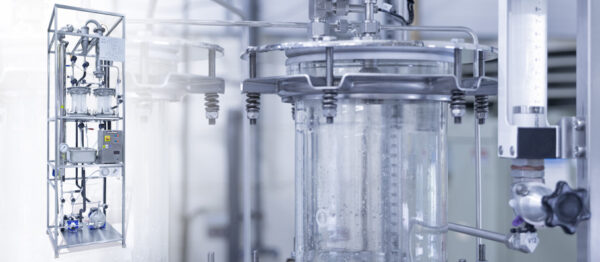
FAQs
What is the role of a distillation unit in industrial processes?
A distillation unit separates liquid mixtures into purified fractions, enabling production of fuels, pharmaceuticals, chemicals, and beverages.
How does a tray column differ from a packed column?
A tray column uses valve trays or sieve trays for vapour-liquid contact, while a packed column employs packing materials for lower pressure drop and higher efficiency in specific applications.
How does adjusting reflux ratio impact column efficiency?
A higher reflux ratio increases separation efficiency but also raises energy consumption. The minimum reflux ratio defines the least energy required for effective operation.
Why is the bottom product stream important?
The bottom product stream contains the less volatile components. Its quality is crucial for downstream processes and depends on factors such as heat input, reflux ratio, and design specifications.
Armfield for Distillation Columns
Distillation columns remain at the heart of modern separation process principles. Their ability to deliver precise separation of liquid mixtures supports industries from petrochemicals to pharmaceuticals. At Armfield, we are proud to provide innovative solutions for all types of unit operations, ensuring our clients benefit from reliable, high-performance distillation equipment tailored to their needs.
Ready to optimise your distillation processes?
Discover how Armfield’s distillation columns and unit operations solutions can enhance your laboratory or industrial setup. Contact us today to learn more.
Beneath the Surface: Deciphering Ground Water Flow Patterns
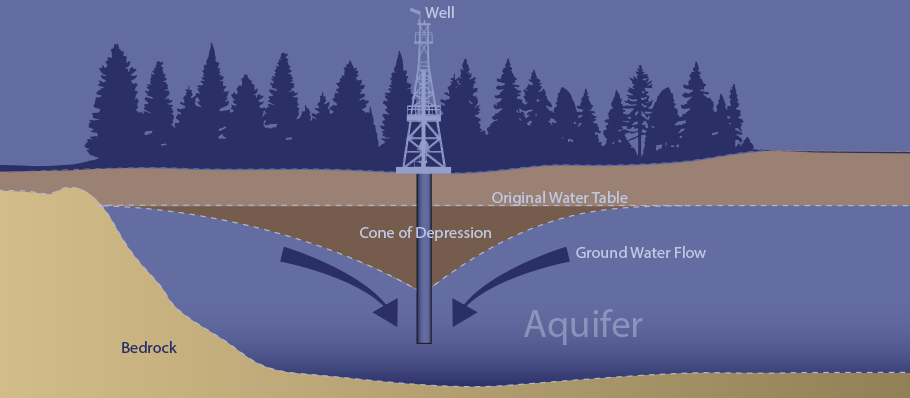
Understanding ground water flow is central to effective water resource management, environmental science, and engineering practice. While water above the ground in rivers, lakes, and wetlands is easy to observe, the silent and steady movement of underground water remains less visible but no less important. At Armfield, we provide leading Hydraulics and Hydrology apparatus that allows researchers, educators, and engineers to study, simulate, and manage ground water systems with precision.
What is Ground Water and Why is it Important?
Ground water refers to the water stored within the pore spaces of soils, sediments, and geological formations beneath the ground surface. Unlike surface water, which collects in rivers and lakes, ground water is often hidden below the land surface, existing in aquifers that can serve as essential water supplies for drinking, irrigation, and industry. Globally, ground water provides nearly half of the world’s drinking water and plays a key role in maintaining flow in surface water bodies.
Understanding ground water flow helps scientists and hydrogeologists ensure water quality, predict contaminant transport, and safeguard long-term water resources.
Sources and Recharge of Ground Water
Ground water originates primarily from precipitation, such as rainfall and snowmelt, which infiltrates the soil and percolates through subsurface layers. This process is known as ground water recharge. Infiltration occurs when water molecules move downward through porous medium until they reach the zone of saturation. Recharge is critical in maintaining the balance of water table aquifers and deeper confined aquifers.
Human activities such as paving and deforestation often reduce natural infiltration, highlighting the need for careful groundwater management strategies.
Factors Influencing Ground Water Flow
Several elements determine the speed and direction of groundwater movement:
-
Topography: Water generally flows from areas of higher hydraulic head to areas of lower hydraulic head, often following elevations and gradients in the land surface.
-
Soil and Rock Type: Granular sediments and permeable materials such as sand and limestone allow rapid flow rates, whereas shale and clay form low permeability barriers.
-
Porosity: The amount of void spaces within subsurface materials dictates how much water can be stored and transmitted.
-
Human Activities: Excessive pumping of well water, contamination from underground storage tanks, or land use changes can disrupt natural flow patterns.
Aquifers and Flow Systems
Ground water exists in different aquifer types:
-
Unconfined aquifers: Directly connected to the surface, their water levels fluctuate with precipitation and surface runoff.
-
Confined aquifers: Protected by impermeable layers, these are often under pressure differences and may produce artesian water.
-
Perched aquifers: Small, localised systems where water sits above impermeable rock within the unsaturated zone.
Each aquifer type influences groundwater flow direction, flow velocities, and the availability of water resources.

Ground Water and the Hydrologic Cycle
Ground water is a crucial part of the water cycle, also known as the hydrologic cycle. It interacts continuously with surface water bodies, contributing to stream flow, wetlands, and lakes. Recharge, storage, and discharge areas create a dynamic balance where ground water and surface water are interconnected.
Hydrogeologists often apply Darcy’s Law to quantify flow rates in a groundwater system, using measures of hydraulic conductivity and significant hydraulic gradients to model flow nets and predict contaminant transport.
Human Impacts on Ground Water Flow
Ground water systems are highly sensitive to human intervention. Excessive pumping can lower the water table, leading to declining water supplies and even land subsidence. Poorly managed industrial activity may lead to contaminated groundwater, which is difficult and costly to remediate. Urbanisation also alters flow lines by reducing natural infiltration and increasing surface runoff.
Sustainable groundwater management requires monitoring water levels, testing water quality, and implementing permeability tests to assess subsurface layers.
Tools for Studying Ground Water Flow
Modern groundwater studies rely on advanced groundwater flow models to simulate flow paths, predict flow patterns, and evaluate the spread of contaminants. At Armfield, our Hydraulics and Hydrology apparatus is designed to support these studies by replicating complex subsurface materials and flow velocities in controlled laboratory conditions. This enables researchers and educators to apply theoretical principles like Darcy’s formula to practical experiments, building a deeper understanding of groundwater systems.
FAQs on Ground Water Flow
What is ground water and how does it differ from surface water?
Ground water is stored beneath the land surface in aquifers, while surface water is found in rivers, lakes, and wetlands. Ground water often moves more slowly, through porous formations and subsurface layers.
How can groundwater flow direction be determined?
It can be identified by mapping equipotential lines and measuring hydraulic head differences. Water flows from higher to lower hydraulic head, often towards the nearest stream or discharge area.
What role does porosity play in groundwater movement?
Porosity refers to the percentage of void spaces in rock formations or granular sediments. Higher porosity means greater potential for water storage and movement, while lower porosity restricts flow.
What methods are used in modern groundwater studies?
Hydrogeologists use Darcy’s equation, flow nets, and groundwater flow models, alongside permeability tests and monitoring wells, to analyse groundwater levels and predict future flow patterns.

Sustainable Ground Water Management
Sustainable management of underground water resources requires an integrated approach: protecting aquifers from pollution, reducing over-extraction, and ensuring continuous monitoring of water quality. As population pressures and climate change impact water resources, a deeper understanding of groundwater flow is essential.
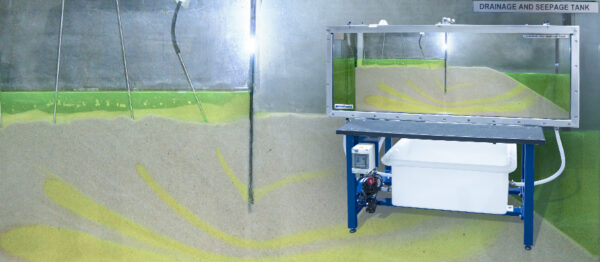
Discover How Armfield Can Help
At Armfield, we offer a wide range of Hydraulics and Hydrology apparatus designed to support groundwater studies, teaching, and applied research. Whether you’re modelling flow velocities in a porous medium or demonstrating Darcy’s Law to students, our solutions provide the accuracy and reliability you need.
Contact us today to learn more about how our apparatus can advance your understanding of ground water flow.
You may also like
(to be added when all new posts are approved)
CSTR Reactors: A Guide to Optimal Chemical Reactions
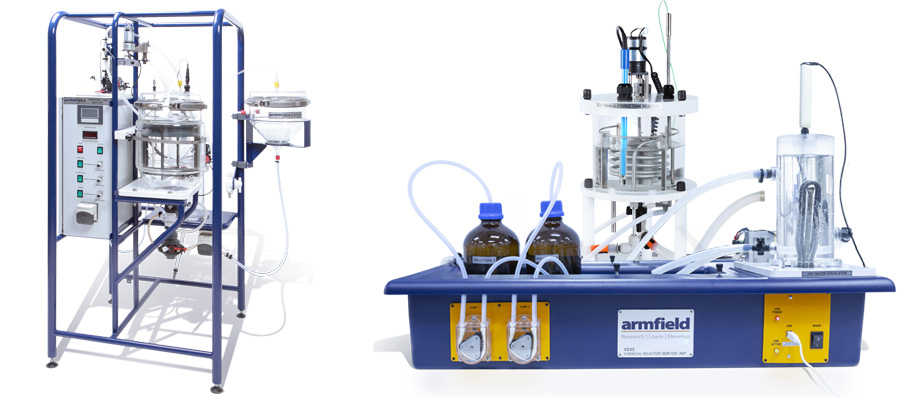
In chemical engineering, precision, efficiency, and scalability are paramount. Among the various types of reactors used across industries, the Continuous Stirred Tank Reactor (CSTR) stands out as a cornerstone for continuous production processes. At Armfield, we specialise in engineering advanced CSTR reactor systems that are built for research, education, and industrial applications.
What Is a CSTR Reactor?
A CSTR reactor is a type of vessel in which reactants are continuously introduced and products are simultaneously removed while maintaining constant agitation. It’s one of the most widely used reactor types for homogeneous liquid-phase flow reactions, particularly when consistent composition and temperature control are essential.
Designed to operate under steady-state conditions, the CSTR offers continuous operation and perfect back mixing, making it suitable for both laboratory use and scaled industrial processes.
Explore our CEM-MKII CSTR Reactor →
Key Design Elements of a CSTR
A typical CSTR consists of:
-
A tank reactor or vessel, often made from stainless steel to handle a variety of chemicals
-
An impeller that ensures constant agitation for efficient mixing
-
A heat exchanger for temperature control, critical for highly exothermic reactions
The reactor volume, shape of the vessel, and volumetric flow rate of the inlet stream and outlet stream all affect reactor performance and residence time distribution.
Types of CSTRs
CSTRs are highly adaptable and can be operated:
-
Individually – as a single unit for basic applications
-
In series, as a cascade of several CSTRs to approximate plug flow behaviour
-
In parallel, to manage throughput and high viscosity reactions
Each configuration has distinct advantages depending on process requirements, such as product yield, heat flow management, and reaction efficiency.
Operating Principles and Chemical Kinetics
CSTRs operate under the principle of perfect mixing. This means the output composition matches the reactor contents at any given time. The continuous feed of reactants and constant stirring allows for uniform substrate concentration, minimising variations in reaction conditions.
This uniformity is essential in analysing reaction kinetics, determining the rate constant, and maintaining desired stoichiometric coefficients.
Real-World Applications
Industries benefiting from CSTR technology include:
-
Pharmaceutical manufacturing – for precise control of reaction mixtures
-
Food and beverage processing – particularly fermentation and mixing of high-viscosity substances
-
Petrochemicals and biomass processing – for continuous conversion reactions
-
Wastewater treatment – where CSTRs help maximise biomass digestion
Armfield’s BE4 Anaerobic Column Reactor demonstrates how continuous stirred reactors are instrumental in education and real-world industrial processing.
Controlling Conditions: Temperature and Concentration
Maintaining a constant temperature and stable concentration of reactants is crucial in CSTR operation. Armfield CSTRs feature integrated heat exchangers, sensors, and control panels that ensure accurate data logging and reactor temperature regulation.
For complex reactions, the balance between mass transfer and heat transfer is closely monitored to avoid side reactions and to preserve reaction efficiency.
Challenges and Limitations
While CSTRs are ideal for many applications, they are not without limitations:
-
Scaling up from lab-scale to industrial units can be complex due to changes in reaction kinetics
-
Side reactions may occur due to long residence times
-
Assumptions of perfect mixing may not always hold, especially in high-viscosity or multi-phase reactions
Nonetheless, with proper reactor design and control systems, these limitations can be mitigated effectively.
Optimising CSTR Performance
Enhancing CSTR performance involves:
-
Adjusting flow rates for optimal residence time
-
Selecting the correct reactor volume for the specific reaction
-
Using a series of CSTRs to replicate plug flow reactor characteristics
-
Incorporating advanced control techniques for better process monitoring
With Armfield’s modular reactor systems, researchers and engineers can tweak and tailor configurations to fit their exact process needs.
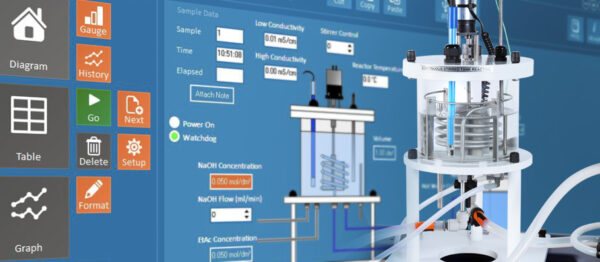
Summary: The Value of CSTRs
To summarise:
-
CSTRs are ideal for continuous reactions, offering a uniform and scalable environment
-
Their versatility spans chemical engineering, food processing, pharmaceuticals, and waste treatment
-
Control over temperature, mixing, and concentration is vital to maximise efficiency
-
With proper design and operation, CSTRs deliver consistent results and are highly valuable for industrial production
Whether you’re looking to develop advanced teaching equipment or streamline an industrial chemical process, CSTRs remain one of the most reliable and versatile reactor types available.
Frequently Asked Questions
What are the advantages of using continuous stirred tank reactors (CSTRs)?
CSTRs allow for continuous production with consistent output, ideal for homogeneous liquid-phase reactions. They provide precise control over conditions and are easier to scale in series.
How does a perfectly mixed reactor differ from a real CSTR?
In theory, a perfectly mixed reactor assumes immediate and complete mixing, whereas real CSTRs may experience mixing limits, particularly with high viscosity or multi-phase materials.
Can all types of continuous reactions be carried out in a CSTR?
Not all. Reactions requiring plug flow behaviour or highly sensitive to residence time distribution may benefit more from plug flow reactors (PFRs) or batch systems.
What are key considerations when scaling up a lab-scale CSTR?
When scaling, it’s crucial to consider changes in mass transfer, heat flow, viscosity, and reactant concentrations. Lab-scale assumptions may not always translate directly.
Get in Touch for Expert Guidance
At Armfield, we provide world-leading equipment for chemical reaction engineering, including advanced CSTR systems. Whether you’re in academia or industry, our modular and robust reactors can be tailored to your specific application.
Contact us today to learn more →
Armfield CSTR Products
Measuring the Invisible: The Fascinating World of Fluid Science Manometers
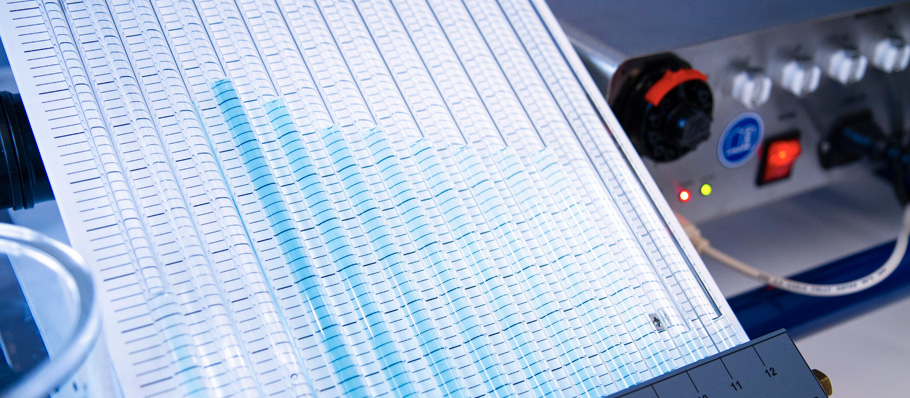
Fluid science manometers are fundamental tools for measuring pressure in gases and liquids. They are widely used across research laboratories, industrial applications, and education to provide accurate and reliable pressure readings. At Armfield, we specialise in designing and manufacturing advanced manometer solutions, from U-tube and inclined manometers to differential systems, ensuring precision and durability for every application.
What Is a Fluid Science Manometer?
A fluid science manometer is an instrument that measures pressure using a column of liquid. Its design is based on hydrostatics—the principle that pressure in a fluid is proportional to its height and density. By comparing fluid levels in connected columns, manometers provide a direct, visual indication of pressure differences, making them one of the most reliable tools for both fundamental fluid dynamics experiments and industrial processes.
The Fluid Science U-Tube Manometer tray from Armfield, for example, allows for accurate demonstrations of pressure variations caused by differing flow rates and atmospheric conditions, supporting both individual and group experiments.
Armfield uses paraffin (kerosene) in its manometer systems because its lighter density enhances sensitivity, making it ideal for measuring small pressure variations—such as those found in flow channels and Pitot tube experiments. It’s safe, visible, and well-suited for teaching environments. (H12-5: 500mm scale differential kerosene over water manometer – Range 0.213m H2O)
Types of Fluid Science Manometers
U-Tube Manometers
These are the most common type, consisting of a U-shaped glass tube filled with manometric fluid (often water or mercury). They are simple, robust, and effective for measuring gauge pressure and differential pressure in various fluids.
Inclined Manometers
When higher sensitivity is required for small pressure differences, inclined manometers provide enhanced accuracy. Their tilted design magnifies height differences, allowing for precise measurements in laboratory settings.
Differential Manometers
These measure pressure differences between two points in a system, making them ideal for monitoring flow rate changes, filter performance, or pressure drops across components in HVAC or fluid transport systems.
Differential kerosene over water manometer
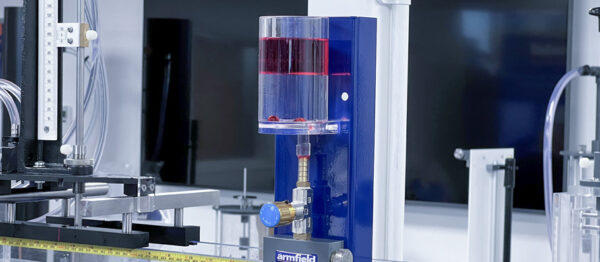
A differential kerosene over water manometer uses the density difference between kerosene (0.8) and water (1.0) to measure small pressure changes in fluid systems. The immiscible fluids in a U-tube shift under pressure, with the height difference indicating pressure via ΔP = g (ρ_water * h_water – ρ_kerosene * h_kerosene). Ideal for low-pressure applications like HVAC and fluid mechanics, it offers accuracy and stability.
Inverted Differential Manometers
Unlike standard differential devices, inverted types are designed to measure negative pressure differentials. They are especially useful in vacuum systems and specialised industrial processes.
Digital Manometers
By integrating electronic pressure sensors, digital manometers deliver real-time data with high accuracy. They are commonly used in industrial environments where precise, repeatable measurements are essential.
How Fluid Science Manometers Work
The working principle of a manometer is straightforward:
-
A reference fluid (such as water or mercury) is placed in the tube.
-
When a pressure difference occurs between two points, the liquid column shifts.
-
The height difference (h) between the two fluid levels corresponds to the pressure difference, calculated using:
P = ρ × g × h
Where:
-
P = pressure difference
-
ρ = density of the fluid
-
g = gravitational acceleration
-
h = height difference
This fundamental principle is used across fluid dynamics experiments, industrial processes, and research applications.
Applications of Fluid Science Manometers
Manometers have a wide range of applications:
-
HVAC systems: Measuring airflow and differential pressure changes for proper ventilation and performance.
-
Medical equipment: Used in devices such as blood pressure monitors for precise pressure readings.
-
Aerospace engineering: Monitoring airspeed and cabin pressure using high-accuracy systems.
-
Environmental monitoring: Measuring barometric pressure and water levels for weather forecasting.
-
Laboratory research: Essential in teaching fluid mechanics, including experiments on Bernoulli’s principle and fluid velocity.
-
Industrial processes: Ensuring optimal pressure control in chemical engineering, processing plants, and hydraulic systems.
Armfield’s Fluid Science Service Units support these applications by providing modular tray-based systems for experimentation and training.
Choosing the Right Manometer
When selecting a manometer, consider:
-
Pressure range: Match the instrument to the required measurement level (e.g. small pressure differences require inclined manometers).
-
Fluid compatibility: Ensure the manometric fluid is suitable for the working environment.
-
Accuracy and sensitivity: Laboratory experiments often require high sensitivity, while industrial applications demand durability.
-
Environmental conditions: Factors such as temperature and humidity can influence readings.
-
Maintenance needs: Some designs require calibration for long-term accuracy.
At Armfield, our engineering team helps clients choose the best solution for their specific fluid science manometer requirements.
Common Problems and Troubleshooting
-
Inconsistent readings: Often caused by air bubbles in the fluid column—purging the system usually resolves this.
-
Temperature-related errors: Use fluids with stable density across temperature ranges to maintain accuracy.
-
Fluid evaporation: Sealed or digital manometers prevent this issue in long-term applications.
-
Leaks in tubing or connections: Regular inspection prevents errors and protects against performance loss.
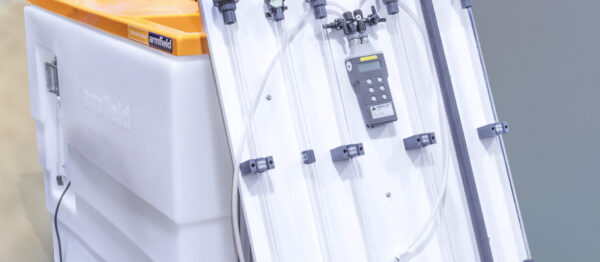
Maintenance Tips
To ensure optimal performance:
-
Clean the manometer tube regularly to avoid contamination.
-
Verify fluid levels and top up if required.
-
Calibrate periodically to maintain high-accuracy measurements.
-
Inspect connections and seals to prevent leaks.
-
Store the instrument in a controlled environment to avoid damage.
FAQs About Fluid Science Manometers
1. What is the purpose of a Fluid Science U-Tube Manometer tray?
It is used to measure pressure differences in fluids, enabling students and engineers to observe fluid behaviour and perform hands-on experimentation.
2. How accurate are gauge pressure measurements?
When properly calibrated, manometers provide precise measurements, especially for small and moderate pressure ranges, making them highly reliable in laboratories and industrial environments.
3. How do blood pressure monitors relate to fluid science manometers?
They use the same principle of pressure measurement, adapted to medical devices with electronic sensors for accurate and non-invasive monitoring.
4. How does the choice of manometer fluid impact accuracy?
The density of the fluid directly affects the scale of measurement. For example, mercury is suited to high-pressure applications, while water or low-density fluids are used for sensitive, small-magnitude pressure differences.
Why Choose Armfield?
At Armfield, we have decades of expertise in creating fluid science manometers that deliver reliability, precision, and long-term value. Our modular systems, such as the Fluid Science Service Unit, are designed for both industrial use and practical experimentation in research and education.
Ready to Measure with Precision?
Contact Armfield today to find out how our fluid science manometers can improve your experiments, processes, and training programmes.
The Impact of Steam Generators in Modern Laboratories
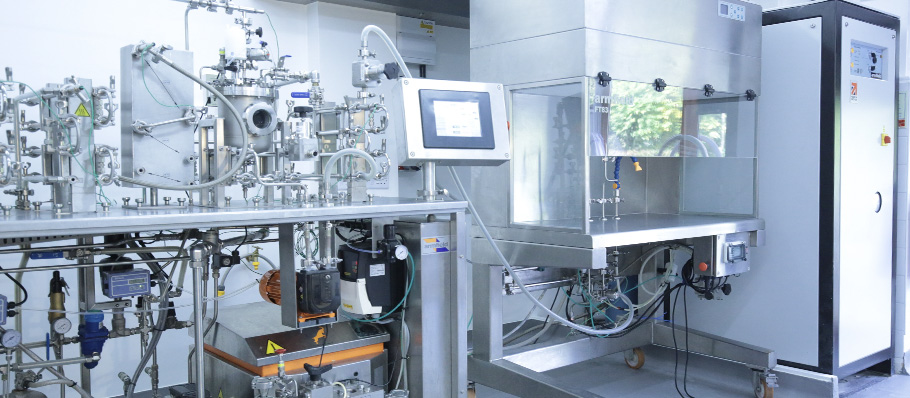
Steam generators for laboratory use are essential tools that ensure consistent performance, precise control, and safe operations. At Armfield, we’re proud to provide world-class laboratory steam generators designed to deliver contaminant-free, high-quality steam for a wide range of applications—from sterilisation to pharmaceutical product development.
Our innovative systems support cutting-edge laboratory work with precision, reliability, and flexibility. But what exactly are steam generators, and why are they so crucial?
What Is a Laboratory Steam Generator?
A steam generator is a specialised device that heats water to produce saturated steam, typically at high temperatures and operating pressure, to serve a variety of laboratory needs. Unlike traditional industrial boilers, laboratory steam generators are purpose-built to offer compactness, energy efficiency, and a cleaner output, commonly referred to as pure steam or clean steam.
At Armfield, our units are trusted by researchers across scientific disciplines for their ease of use, safety features, and ability to deliver high-performance results with minimal downtime.
Types of Steam Generators Used in Laboratories
Laboratories require a diverse range of solutions depending on their workflow and spatial limitations. The most common types of steam generators for laboratories include:
-
Electric Steam Generators – Clean, compact and energy-efficient, with precise temperature control. Perfect for delicate sterilisation tasks.
-
Gas-Fired Generators – Suitable for higher volume operations, but require a proper gas supply and ventilation.
-
Oil-Fired Generators – Less popular due to their maintenance requirements and emissions, though still used in some industrial-style lab settings.
Among these, electric steam generators are the most widely adopted in modern laboratory settings due to their ease of installation and clean output.
Key Applications of Laboratory Steam Generators
Steam generators are essential in a variety of research and healthcare tasks. Applications include:
-
Autoclaves – Used for sterilising lab tools and materials under high pressure.
-
Distillation – Steam assists in separating compounds through heat transfer.
-
Sterilisation of Glassware and Instruments – Especially where contaminant-free steam is required.
-
Chromatography Equipment Maintenance – Ensures clean operation and prevents analytical interference.
The ability to produce pure steam on demand is crucial for ensuring reproducibility and compliance in pharmaceutical and academic labs alike.
Advantages of Using Steam Generators in the Lab
The benefits of integrating a steam generator into your lab include:
-
Consistent Steam Quality – Helps maintain sterility and experiment integrity.
-
Energy Efficiency – Especially true of electric models with modern control systems.
-
Reduced Footprint – Compact designs suit smaller labs.
-
Safety Features – including pressure control systems, over-temperature cut-outs, and automatic shutdown.
At Armfield, each unit is engineered with precision, combining performance and reliability with built-in safety.
How to Choose the Right Steam Generator
Choosing the correct steam generator for your laboratory setup is key. Factors to consider include:
-
Steam Output Requirements – Choose a unit that matches your autoclave or sterilisation demands.
-
Energy Source Availability – Electric is often preferred for simplicity, while gas or oil may suit larger installations.
-
Space Constraints – Portable and benchtop models are available.
-
Steam Quality Standards – Applications involving pharmaceuticals or sensitive chemicals will demand pure steam capabilities.
One standout option in Armfield’s range is the UOP10 Laboratory Steam Generator. This compact, floor-standing unit delivers up to 55 kg/hr of saturated steam at 10 bar pressure, powered by dual 36 kW Incoloy heating elements. It’s engineered for reliability, continuing to function even if one element fails. With a built-in water reservoir, silent high-pressure feed pump, and intuitive LED indicators, the UOP10 is easy to operate and quick to start. It includes essential safety features such as pressure relief valves, low-water cut-off, and electrical protections, all housed in a durable steel cabinet. The UOP10 complies with UK and EU pressure equipment standards and is ideal for labs requiring high-performance steam with minimal footprint. An optional blow-down separator is also available for compliant discharge handling.
FAQs
How do steam boilers generate high temperatures and pressure for laboratory use?
Laboratory steam generators use electric heating elements or gas burners to rapidly raise water to boiling, producing saturated steam under controlled pressure. This allows precise delivery of high temperature steam for sterilisation and heating.
What are some key differences between traditional boilers and electric steam generators used in laboratories?
Traditional steam boilers are large, often complex, and use fossil fuels. In contrast, electric steam generators are compact, clean, and designed for quick, efficient operation in research settings.
What is the role of sterilisation in laboratory processes, and how do steam generators help?
Sterilisation eliminates harmful microbes and ensures clean conditions. Steam generators supply high-quality steam for autoclaves, decontaminating equipment efficiently without chemical residue.
Can electric alternatives meet the same standards of temperature and pressure required for lab use?
Yes. Modern electric laboratory steam generators from Armfield are capable of producing steam at the required temperatures and pressures, all while offering enhanced safety and control features.
Maintenance and Safety Precautions
Running a laboratory steam generator safely and effectively involves routine checks and maintenance:
-
Descaling – Prevents build-up in heating elements when using untreated tap water.
-
Valve Inspections – Ensure steam and safety valves are functioning properly.
-
Sensor Calibrations – Keep pressure and temperature readings accurate.
-
Routine Testing of Security Features – Modern generators include failsafe shutdowns and pressure relief valves to mitigate risks such as overheating.
Always consult your user manual and perform regular maintenance in line with manufacturer guidelines to ensure longevity.
Setting Up a Laboratory Steam Generator
Installation can vary slightly depending on the generator type, but general steps include:
-
Ensure Proper Ventilation – Especially critical for gas or oil-fired units.
-
Correct Power Supply – Verify voltage and safety switches.
-
Water Quality Management – Use RO or filtered water when steam quality is critical.
-
Follow Manufacturer Instructions – Missteps during setup can lead to inefficiency or hazards.
We always recommend professional installation and commissioning for optimal safety and performance.

Troubleshooting Common Issues
Even with top-tier equipment like Armfield’s, minor issues may arise. Common problems include:
-
Low Steam Pressure – Often caused by scale or malfunctioning sensors.
-
Leaks – Check seals, joints and safety valves.
-
Overheating – May relate to thermostat failure or mineral build-up.
-
Steam Discolouration – Could indicate contaminants in water—avoid using untreated tap water in high-purity applications.
Timely intervention and proper maintenance can prevent costly downtime.
Why Choose Armfield?
At Armfield, our commitment to innovation, precision engineering, and user safety sets us apart. We’ve been a trusted supplier of steam generators for laboratories for decades, supporting scientists, educators, and industrial researchers with reliable equipment built to last.
We understand the demands of modern laboratories and are proud to offer tailored solutions for sterilisation, process control, and product development, especially in the pharmaceutical and life science sectors.
Additionally, you may be interested in our

Speak to Our Team About Lab Steam Generators
Need expert advice on upgrading or specifying a new laboratory steam generator? Armfield’s dedicated support team is here to help.
Related Articles
The Science of Subsonic Wind Tunnels
Subsonic wind tunnels serve as indispensable tools in engineering, civil engineering and experimental aerodynamics. A subsonic wind tunnel is a specialised facility designed to study air flow and aerodynamic behaviour at speeds below Mach 1. Whether within a closed-loop subsonic wind tunnel or a simpler open-circuit configuration, the primary purpose remains constant: to replicate real-world flow conditions and provide accurate experimental data for airfoils, pressure distribution analysis and boundary layer development. At Armfield, we offer a comprehensive range of wind tunnels for education, ensuring that students and researchers benefit from the highest standards of wind tunnel structure and wind tunnel design.
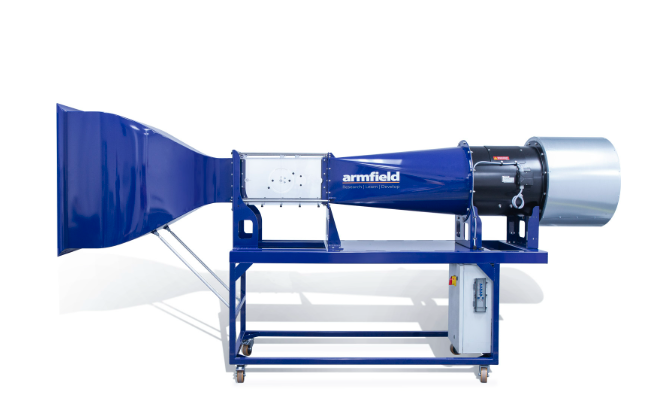
History and Development of Subsonic Wind Tunnels
The origins of wind tunnel structure date back to the late 19th century when pioneers of fluid mechanics sought to understand drag forces and lift generation. Early wind tunnels were rudimentary, often featuring open-jet designs with basic test chambers. Over decades, advancements in fan technology, contraction cone geometry and turning vanes have allowed precision control of air velocity and air density, enabling the study of turbulent boundary layers and laminar flows alike. Today’s open-circuit subsonic wind tunnels, such as the Armfield C15 Computer Controlled Subsonic Wind Tunnel, benefit from refined contraction sections, optimised contraction ratios and sophisticated instrumentation, such as Pitot-static tubes, Bernoulli Apparatus and Pressure Cylinder sensors, to capture static pressure and dynamic pressure with minimal frictional losses.
Types of Subsonic Wind Tunnels
Subsonic tunnels fall broadly into two categories:
Open-Circuit Wind Tunnels
In an open-circuit subsonic wind tunnel, such as the Armfield C30 Computer Controlled Wind Tunnel, ambient air is drawn in through a contraction section, accelerated past the test section, and then expelled back into the atmosphere. Although simpler to construct, open-jet systems can suffer from variable atmospheric pressure and flow field disturbances.
Closed-Loop Wind Tunnels
Closed-loop tunnels like the Armfield C30 Computer Controlled Wind Tunnel recirculate air, offering steadier flow conditions, better control over air velocity and reduced energy consumption. Closed-loop subsonic wind tunnels also allow for precise control of test conditions, as the entire wind tunnel volume is contained and conditioned, minimising disturbances from external atmospheric pressure changes.
Components of a Subsonic Wind Tunnel
A typical subsonic tunnel comprises several key elements:
Contraction Section and Contraction Cone
The contraction ratio between the inlet and the test section ensures uniform flow and accelerates the air to the desired speed without inducing flow separation.
Turning Vanes and Vanes
Strategically placed within bends, turning vanes guide the flow smoothly, reducing energy losses and mitigating flow separation.
Fan and Base Unit
A variable-speed fan, often mounted at the end of the circuit, regulates mass flow and achieves the target flow velocity. The base unit may also house sound attenuation panels.
Test Section or Working Section
This is the heart of the tunnel, where models—ranging from aerofoil sections to Pressure Wing models—are mounted. Test section size varies with application, but it must accommodate instrumentation such as Pitot-static tubes for flow measurement and probes for pressure distribution.
Instrumentation and Data Acquisition
Devices like Bernoulli Apparatus, pressure transducers and anemometers capture data on air velocity, static pressure, dynamic pressure and fluid dynamics parameters. High-resolution sensors ensure accurate experimental data for validation of computational simulations.
Diffuser and Settling Chamber
Downstream of the test section, the diffuser slows the air, reducing energy losses. A settling chamber upstream often contains honeycomb structures and screens to straighten flow and reduce turbulence intensity, facilitating boundary layer development studies.
Applications across Industries
Subsonic wind tunnels have broad applications spanning aerospace, automotive, civil engineering and academic research.
Aerospace
Enable detailed analysis of airfoils, wing profiles and fuselage shapes under low-speed conditions, informing design decisions on lift, drag forces and stability.
Automotive
Used to refine vehicle aerodynamics, optimise drag reduction and improve fuel efficiency.
Education and Civil Engineering
Students explore fluid dynamics by visualising flow fields. Civil engineers test wind loads on structures and simulate wind-induced vibrations.
Benefits of Testing in a Subsonic Wind Tunnel
Testing within a subsonic wind tunnel is cost-effective compared to full-scale flight testing. Controlled environments allow simulation of real-world scenarios—adjusting flow velocity, air density and flow conditions to match target Reynolds numbers.
- Reduces atmospheric interference and friction losses
- Validates CFD simulations
- Supports accurate measurements of drag forces, pressure distribution and flow behaviour
Designing and Building a Subsonic Wind Tunnel
Key design considerations include:
Test Section Size and Shape
Must suit intended models, ranging from compact educational units to large research-grade facilities.
Contraction Ratio and Contraction Exit Geometry
A typical contraction ratio, such as 6:1 or 10:1, ensures uniform approach velocity.
Fan Selection and Airflow Control
Powerful, adjustable fans with vanes manage turbulence and ensure steady-state operation.
Instrumentation Placement
Pitot-static tubes and Pressure Cylinder devices should be positioned for optimal data collection.
Structural Considerations
Rugged construction with proper support and sealing ensures stability and accurate results.
Armfield’s C15 and C30 tunnels embody these principles through modular designs, integrated instrumentation and high-quality construction.
Conducting Experiments in a Subsonic Wind Tunnel
Control Flow Conditions
Adjust fan speed and monitor flow parameters to maintain subsonic operation.
Set Up Test Models
Securely mount models, align with airflow and apply turbulence aids as needed.
Measure Key Parameters
Use Pitot-static tubes, pressure taps and digital systems to gather data.
Analyse Experimental Data
Compare results with fluid dynamics theories and identify key flow characteristics.
Document Results
Summarise findings, visualise flow patterns and record all relevant data.
Implementing BM25 Key Components in Documentation
Enhance SEO and technical discoverability by:
- Using high TF for core keywords like “subsonic wind tunnel” and “boundary layer development”
- Emphasising IDF-driven specialised terms such as “Pitot-static tube” and “contraction ratio”
Armfield resources are optimised with BM25 principles to support academic and research queries effectively.
Importance and Future of Subsonic Wind Tunnels
Subsonic wind tunnels remain vital for:
- Validating aerodynamic theories
- Educating future engineers
- Improving model accuracy and flow prediction
Armfield leads innovation by offering digital-ready, modular, and highly instrumented wind tunnels that align with EEAT and Google’s helpful content guidelines.
Frequently Asked Questions
Q1: What are the key considerations in wind tunnel design for studying subsonic air flow?
Key considerations include test section size, contraction ratio, fan capability, and optimal sensor placement.
Q2: How does a closed-loop subsonic wind tunnel differ from an open-loop system?
Closed-loop systems recirculate air for greater control, while open-loop systems expel air back into the environment, making them less stable.
Q3: Can turbulent boundary layers be accurately simulated in a subsonic wind tunnel?
Yes, using trip wires or roughness elements, plus flow visualisation and pressure measurement techniques.
Q4: How is flow velocity controlled and measured in a subsonic wind tunnel?
Using variable-speed fans and Pitot-static tubes, velocity is calculated using Bernoulli’s principle.
Q5: What role does static pressure play in understanding fluid dynamics within a subsonic wind tunnel?
It helps calculate lift and drag, and reveals energy distribution within the flow field.
Contact Us
For more information on Armfield’s subsonic wind tunnels for education, feel free to visit our Contact Page and speak with our expert team about bespoke solutions tailored to your curriculum and research needs.
Hydrostatic Pressure: Exploring its Fascinating Effects

Hydrostatic pressure is a fundamental concept in fluid mechanics that plays a vital role across numerous industries and natural systems. Defined as the pressure exerted by a fluid at equilibrium due to the force of gravity, HP increases proportionally with depth and the density of the fluid. Understanding this mighty force is critical for engineers, scientists, and students alike.
At Armfield, we are proud to offer outstanding training equipment. Our solutions, such as the F1-12-MKII Hydrostatic Pressure apparatus, help educational institutions and industries deepen their knowledge of fluid behaviour under static conditions.
What is Hydrostatic Pressure and How is it Measured?
Hydrostatic pressure is calculated using the formula:
P=ρgh
where P is the pressure, ρ is the fluid density, g is the gravitational acceleration, and h is the height of the fluid column above the point of measurement.
This hydrostatic pressure equation demonstrates how pressure increases with fluid density and depth. Specialised pressure sensors and pressure transducers are often employed to measure hydrostatic forces with precision.
At Armfield, we supply comprehensive teaching tools, including the F9092 Fluid Properties & Hydrostatics Bench, ideal for practical demonstrations of the HP pressure field.
Factors Affecting Hydrostatic Pressure
Several factors influence fluid pressure:
- Depth: Pressure increases with greater vertical distance in the fluid.
- Fluid Density: Denser liquids exert higher pressure at a given depth.
- Gravity: Variations in gravitational force can affect pressure slightly.
Understanding these variables is critical for managing pressure differences and pressure gradients across fluid systems.
Applications of Hydrostatic Pressure
HP has widespread applications. In hydraulic systems, this pressure enables lifting and moving heavy loads. In scuba diving, knowledge of pressure ensures diver safety at various depths.
Our F1-Series Fluid Mechanics equipment is ideal for students exploring these real-world applications through hands-on experimentation.
Pascal’s Law and Hydrostatic Pressure
Pascal’s Law states that a pressure change at any point in an enclosed incompressible fluid is transmitted undiminished throughout the fluid. This principle underpins many hydraulic mechanisms, making it integral to the study of fluid mechanics and hydraulics.
At Armfield, we help students visualise these concepts with our specialised HP training equipment, such as the FS-Series Fluid Science range.
Real-World Examples of Hydrostatic Pressure at Work
You encounter HP every day:
- Dams must withstand immense pressure from the water they hold back.
- Submarines endure high external pressure as they dive to deeper waters.
- In geology, HP influences soil stability and groundwater movement.
- Concrete foundation walls must be protected from water intrusion due to hydrostatic force.
Our NA8 Ship’s Stability Apparatus provides an excellent demonstration of how pressure affects buoyancy and stability in marine engineering.
Effects on Submerged Objects
When an object is submerged, it experiences an upward force known as buoyancy, a phenomenon described by Archimedes’ principle. The difference in pressure across the submerged surface leads to a resulting force that can either sink or float the object, depending on its density compared to the fluid.
The study of these pressure forces is vital in fluid dynamics, especially in predicting how different materials behave under immersion.
in Industry
In the oil and gas sector, understanding pressure is essential for drilling operations, helping to prevent blowouts by managing pressure within the wellbore. Similarly, civil engineers must consider HP when designing drainage systems and waterproofing basement floors to prevent water damage.
How to Calculate Hydrostatic Pressure
To calculate HP, use the pressure formula mentioned earlier. Remember:
- An increase in depth leads to pressure increase.
- Conversion factors may be necessary (e.g., from Pascal to psi).
- Fluid density and gravity are critical in the pressure equation.
Practical training with equipment like the F1-12 Hydrostatic Pressure apparatus ensures a firm grasp of these calculations.
Summary
HP is an omnipresent force shaped by fluid density, depth, and gravitational acceleration. It governs countless natural phenomena and underpins major engineering applications. At Armfield, we understand the importance of mastering hydrostatic pressure and proudly offer world-class hydrostatic pressure training equipment to bring theoretical knowledge to life.
FAQs
What is the pressure formula used to calculate HP?
The formula is P=ρgh, where P is pressure, ρ is fluid density, g is gravitational acceleration, and h is fluid height.
How does fluid pressure affect objects submerged in a liquid?
Submerged objects experience greater pressure on their deeper surfaces, leading to an upward buoyancy force.
What factors contribute to the pressure difference between two points in a fluid?
The vertical distance between two points and the fluid density primarily determine the pressure variation.
How does understanding hydrostatic force help with managing water levels in engineering projects?
It aids in designing structures like dams and drainage systems that can withstand or channel hydrostatic forces, preventing failures and water damage.
Contact Armfield for Hydrostatic Pressure Solutions
Discover how Armfield’s training equipment can revolutionise your learning or operational needs. Contact us today to find out more!
You may also like
What is Direct Steam Injection?

Direct Steam Injection (DSI) is a highly efficient method of heating liquids and slurries by injecting steam directly into the product stream. Unlike indirect heating methods, which rely on heat exchangers or coils to transfer heat, DSI allows for the immediate transfer of the steam’s energy directly into the product. This ensures fast, consistent heating with minimal heat loss and enhanced energy efficiency.
In a direct steam injection system, steam is introduced into the product using a steam injector or sparger. The steam condenses instantly upon contact, transferring both sensible and latent heat. This leads to rapid temperature increases and precise temperature control — crucial for industries that require consistent product quality and efficient processing.
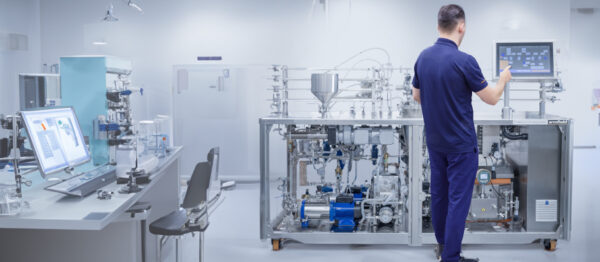
How Direct Steam Injection Works
The steam injector introduces high-velocity steam into the product stream. As the steam mixes with the product, it condenses and releases heat. This results in:
- Instantaneous heating – Quick heating minimises processing times.
- Uniform temperature control – Steam is evenly distributed for consistent heating.
- Energy efficiency – Direct contact reduces heat loss, making the process more energy efficient.
Benefits of Direct Steam Injection
- Faster Heating – The direct contact method allows for rapid heat transfer and reduced processing time.
- Precise Temperature Control – Immediate and uniform heat distribution ensures consistent product temperatures.
- Increased Energy Efficiency – Direct heating reduces energy loss, improving overall efficiency.
- Compact Design – DSI systems take up less space than indirect heating setups.
- Improved Product Quality – Rapid and even heating prevents burning, over-processing, or texture loss.
Armfield Equipment Featuring Direct Steam Injection: FT174
The FT174 Modular Miniature Scale HTST/UHT Process System from Armfield is a state-of-the-art solution that utilises direct steam injection to deliver high-performance heating and processing capabilities. Designed for precise high-temperature short-time (HTST) and ultra-high-temperature (UHT) processing, the FT174 is ideal for research and development in the food, beverage, and pharmaceutical industries.
Key Features of the FT174:
- Flexible Flow Rates – Operates at flow rates between 10–60 LPH for UHT and up to 100 LPH for HTST to suit a wide range of process requirements.
- Modular Design – The system allows for quick and easy configuration based on specific process needs
- Indirect Heating Capability – Tubular, plate and scraped surface heat exchangers can be specified
- Direct Steam Injection Capability – Enables rapid heating and precise temperature control.
- PLC-Controlled with Touchscreen Interface – Provides real-time monitoring and process adjustments.
- Aseptic Processing and Homogenisation – Ensures product integrity and consistency.
- Easy Maintenance – Designed for straightforward cleaning and maintenance to minimise downtime.
- Integrated Cooling and Chilling – After heating, the product can be cooled or chilled to specific temperatures using a chilled water supply.
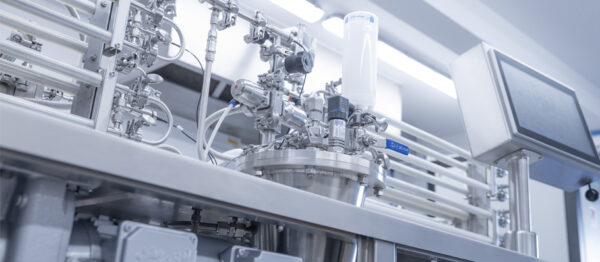
The FT174 offers a comprehensive solution for high-performance processing, making it ideal for product development and small-scale production. Its ability to combine direct steam injection with HTST/UHT processing ensures high product quality and efficiency.
Learn more about the FT174 here
Historical Perspective: Evolution and Significance of Direct Steam Injection
The concept of steam injection dates back to the early 20th century when steam was first used for industrial heating. Early systems relied on heat exchangers and jacketed vessels, which often resulted in uneven heating and high energy costs.
The breakthrough came with the development of direct steam injection technology, which allowed manufacturers to bypass heat exchangers and introduce steam directly into the product. This created a more efficient and effective heating process. Over time, technological improvements, including the development of high-performance steam injectors and spargers, have enhanced the precision and scalability of DSI systems.
Notable Examples of Direct Steam Injection in Key Industries
Food and Beverage Industry
Direct steam injection is widely used for pasteurisation, sterilisation, and cooking. It ensures fast, consistent heating without compromising flavour, texture, or nutritional value. Products such as dairy, soups, and sauces benefit from the rapid heating and precise temperature control offered by DSI.
Pharmaceutical Industry
The pharmaceutical sector relies on DSI for sterilisation and precise temperature regulation during drug production and formulation. The FT174’s ability to handle aseptic processing makes it an ideal choice for pharmaceutical applications.
Chemical Industry
Direct steam injection is used in the chemical industry to heat process fluids, accelerate reaction times, and maintain consistent product quality. The ability to adjust steam pressure and flow rates allows for high levels of process control.
Factors to Consider When Choosing a Direct Steam Injection System
- Flow Rates – The system should handle both low and high flow rates without causing steam hammer.
- Temperature Control – High-performance control valves ensure consistent heating.
- Product Compatibility – The system must be suitable for different product viscosities and process requirements.
- Steam Pressure – The steam pressure should match the process requirements to avoid cavitation or incomplete condensation.
Why Choose Armfield?
At Armfield, we have over 50 years of experience in designing and manufacturing industry-leading direct steam injection systems. The FT174 stands out due to its high-performance capabilities, ease of use, and adaptability for research and production.
Discover the Power of Direct Steam Injection with Armfield
Interested in enhancing your production efficiency with the FT174 Modular Miniature Scale HTST/UHT Process System? Contact Armfield today to learn more about how direct steam injection can benefit your business.
Exploring Cantilever Span Bridges and How They work
Cantilever span bridges represent an extraordinary achievement in engineering, seamlessly combining strength, functionality, and aesthetic appeal. These structures play a critical role in transportation and infrastructure, connecting challenging terrains with innovative designs. At Armfield, we take pride in offering cutting-edge educational equipment, such as the SV Structures Family, which enables students and professionals to delve deep into the principles of structural engineering. Our solutions provide hands-on experience with concepts such as reaction forces, bending moments, and cantilever designs, fostering a deeper understanding of civil and structural engineering.
What is a Cantilever Span Bridge?
A cantilever span bridge is a type of bridge that relies on projecting beams, or cantilevers, anchored at only one end. These bridges are designed to handle heavy vertical loads and span wide distances without the need for continuous supports. Unlike traditional bridges, cantilever bridges use innovative methods to create long-lasting and efficient structures, making them ideal for complex crossings.
How Armfield Enhances Learning in Structural Engineering
Armfield’s SV Structures Family is specifically designed to provide an immersive and practical approach to studying structural engineering. Products such as the SV402 Suspended Centre Span Bridge and the SV405 Beam Apparatus allow users to investigate the mechanics of cantilever span bridges and other structures in a controlled environment. These tools enable users to explore key principles, including:
- Reaction forces and bending moments.
- Differential settlement and shear strength.
- The balanced cantilever method and counterbalancing arms.
By simulating real-world scenarios, Armfield’s equipment prepares students and professionals to tackle challenges in civil and mechanical engineering with confidence.
A Historical Perspective on Cantilever Span Bridges
The history of cantilever span bridges highlights their importance in overcoming engineering challenges. Early examples, such as the Forth Bridge in Scotland, completed in 1890, showcase the durability and strength of steel truss cantilever designs. The Quebec Bridge in Canada, one of the world’s longest cantilever bridges, further underscores the versatility of this design in spanning wide rivers and supporting heavy loads.
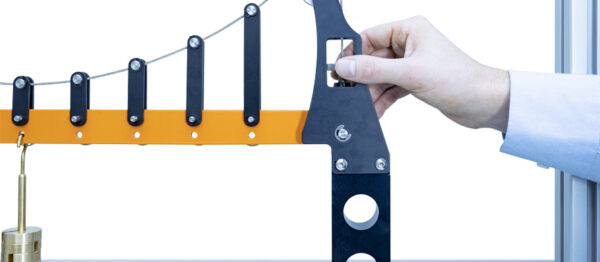
Design and Construction: Bridging Theory and Practice
Cantilever span bridges are built using a combination of structural steel, prestressed concrete, and precise calculations. The balanced cantilever method, a common construction approach, involves extending the bridge symmetrically from foundation piers to maintain stability. Armfield’s equipment allows users to model these processes, providing invaluable insights into:
- Temporary supporting towers and their role in construction.
- The impact of wind resistance and vertical loads.
- Structural stability and counterbalancing arms.
Types and Applications of Cantilever Span Bridges
Cantilever span bridges can be classified into various types based on their design and application:
- Continuous Cantilever Bridges: Feature uninterrupted spans supported by multiple cantilever arms.
- Suspended Span Cantilever Bridges: Include a central suspended span connecting cantilever arms from opposite piers.
- Prestressed Concrete Cantilever Bridges: Ideal for heavy loads and long spans, these are widely used in modern infrastructure.
Armfield’s SV Structures Family enables learners to study these variations in detail, bridging the gap between theoretical knowledge and practical application.
Notable Examples and Their Significance
Cantilever span bridges have left a lasting mark on engineering history. Prominent examples include:
- Forth Bridge, Scotland: A UNESCO World Heritage Site that revolutionised railway bridge construction.
- Quebec Bridge, Canada: Known for its impressive span and engineering complexity.
- San Francisco-Oakland Bay Bridge, USA: An innovative structure that combines cantilever and suspension technologies.
- Vejle Fjord Bridge, Denmark: A modern cantilever bridge designed for efficient traffic management.
Why Choose Armfield for Educational Solutions?
At Armfield, we are committed to advancing engineering education by providing state-of-the-art training equipment. Our SV Structures Family offers unparalleled opportunities for students and professionals to explore structural principles in a hands-on environment. Whether you are studying reaction forces, bending moments, or the mechanics of cantilever span bridges, our products are designed to deliver exceptional learning outcomes.
Explore our range of educational products on the Armfield website, and discover how our solutions can enhance your understanding of civil, mechanical, and structural engineering.
Frequently Asked Questions
1. What is the role of prestressed concrete in cantilever span bridges? Prestressed concrete provides the necessary strength and durability to support heavy loads and resist environmental stressors. It is a key material in modern cantilever bridge construction.
2. How do engineers calculate the placement of cantilever arms? Engineers use detailed calculations, including load distribution and material properties, to determine the optimal placement of cantilever arms. Tools like computer-aided design (CAD) are essential in this process.
3. How does Armfield’s equipment support the study of cantilever bridges? Armfield’s equipment, such as the SV402 Suspended Centre Span Bridge, provides practical demonstrations of structural principles, enabling users to study real-world engineering challenges in a controlled environment.
4. What makes the Forth Bridge a significant example of cantilever design? The Forth Bridge showcases the strength and versatility of steel truss cantilever systems. Its design has influenced bridge construction worldwide and remains a symbol of engineering excellence.
Conclusion
Cantilever span bridges epitomise the ingenuity and innovation of modern engineering. By combining theoretical knowledge with practical application, Armfield’s educational solutions empower learners to explore these iconic structures and their underlying principles. Discover the future of engineering education with Armfield’s SV Structures Family and elevate your understanding of structural engineering.
Contact us today to learn more about our products and how they can support your educational journey.
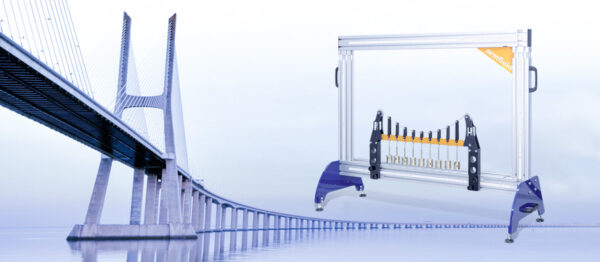
Fans and Compressors: Designed For Engineering Education
Turbines are essential components in energy engineering, particularly in the study of renewable energy and sustainable technology. At Armfield, we specialise in providing state-of-the-art educational tools that empower universities and colleges to deliver hands-on, real-world training. Our modular range of turbines connects seamlessly with the versatile FM6x Turbine Service Unit, which is designed to meet the diverse needs of engineering courses worldwide.
Joseph Armfield and the Evolution of Turbines
The story of turbines at Armfield began in 1875, when Joseph Armfield founded his engineering company in Ringwood, England. Initially focused on farm and milling machinery, the company quickly expanded its capabilities. By 1887, Armfield produced its first water turbine, marking a significant shift from traditional water wheels to more efficient power generation systems.
Incorporating cutting-edge innovations such as inward radial flow, based on the principles of the Francis turbine, these early designs optimised water flow using curved guide vanes and blades. By the early 20th century, Armfield had sold over 1,000 turbines worldwide, solidifying its role as a pioneer in advancing turbine technology. Today, that innovative legacy lives on in the modern equipment we provide for engineering education.
Understanding Turbines in Training
Turbines are pivotal in various engineering industries, from power generation to water management and beyond. Their primary purpose is to harness the power of fluids. This product range plays a crucial role in demonstrating principles such as torque, power generation, flow rates, and efficiency. Educational institutions require reliable, precise equipment to train students for real-world applications.
Why Choose Armfield for Your Training Needs?
At Armfield, we’ve developed an innovative range of turbines and associated equipment such as compressors and fans, ideal for teaching foundational and advanced engineering principles. Our solutions are tailored to universities and colleges seeking to equip students with the knowledge and skills needed for careers in industries like power generation, HVAC, and renewable energy.
Explore our full range of fans and compressors, where you’ll find a variety of tools designed for in-depth analysis and experimentation.
The FM6x Turbine Service Unit: A Game-Changer
One standout product in our collection is the FM6x Turbine Service Unit. This cutting-edge base unit is fully controlled by software, allowing for the precise testing and analysis of various turbine characteristics. It’s an essential tool for demonstrating key engineering principles such as:
- Torque
- Power usage
- Pump speed
- Braking loads and forces
- Flow rates and inlet pressure
The FM6x is versatile, enabling students to test multiple turbine types, including:
- Impulse turbines
- Reaction turbines
- Pelton wheels
Software Integration for Enhanced Learning
The FM6x Turbine Service Unit is equipped with advanced software that generates detailed datasheets and performance charts. This feature allows students and instructors to monitor loads, benchmark performance, and analyse results with precision. By simulating real-world scenarios, the FM6x prepares students for larger-scale applications, such as those used by electrical power companies in water-driven turbine systems.
How Turbine Demonstration Units Educate Future Engineers
1. Harnessing Energy from Wind and Water
Turbine demonstration units like the FM6x illustrate how energy can be captured and converted into usable power. Reaction turbines, for instance, utilise fluid flow to generate mechanical energy, a principle widely applied in hydroelectric and wind power systems.
2. The Role of Hydraulic Training Systems
Hydraulic training systems are invaluable in demonstrating how water flow impacts turbine operation. With the FM6x, students can adjust water flow rates and observe the effects on power output and efficiency, fostering a deeper understanding of fluid dynamics.
3. Airflow and Efficiency
The efficiency of turbines is closely linked to airflow dynamics. The FM6x allows users to manipulate airflows, showcasing their impact on performance metrics such as speed and torque.
4. Speed and Performance
Speed plays a critical role in turbine efficiency. Students can observe how different loads and braking forces influence energy generation by varying rotational speeds.
Real-World Applications
The FM6x Turbine Service Unit bridges the gap between theory and practice, equipping students with the skills they need to succeed in industries such as:
- Renewable energy production
- Industrial fluid systems
By mastering the operation and analysis of turbine systems, graduates are better prepared for roles in engineering firms, utilities, and manufacturing industries.
FAQs
What is the FM6x Turbine Service Unit used for?
The FM6x is a base unit for testing turbine characteristics. It’s designed for engineering education, helping students understand torque, power usage, flow rates, and more.
How does a reaction turbine work?
Reaction turbines harness fluid flow to generate mechanical energy. They rely on the principle of Newton’s third law, where the reactive force of moving fluid produces rotational motion.
Can the FM6x Turbine Service Unit simulate real-world scenarios?
Yes, the FM6x’s software enables users to replicate various turbine conditions, preparing students for real-world applications in industries such as power generation and renewable energy.
How does the FM6x benefit universities and colleges?
The FM6x provides hands-on training, detailed performance data, and the ability to test multiple turbine types, making it an invaluable resource for engineering courses.
Fans and Compressors for Engineering Education
Armfield’s FM6x Turbine Service Unit is more than just a training tool—it’s a gateway to understanding the intricacies of turbine operation and performance. Combined with our full range of fans and compressors, we offer a comprehensive solution for engineering education.
Contact Us Today
Contact us to enhance your engineering programme. Learn more about our cutting-edge solutions by visiting our contact page. Let Armfield help you shape the engineers of tomorrow.
You May Also Like
- The Science of Carbonation and Armfield’s FT102XA
- Bespoke Flumes by Armfield: Tailored Solutions For Research
- The Ultimate Solution for Teaching and Research Flumes:
- Reducing Energy Consumption in Food Manufacturing
Armfield at Fi Europe 2024
Armfield at Fi Europe 2024: Celebrating 30 Years of Innovation
Armfield, a global leader in food technology education equipment, is proud to announce its participation in the upcoming Food Ingredients (Fi) Europe show, held from 19th to 21st November 2024 at Messe Frankfurt, Germany. This milestone marks Armfield’s 30th year of attendance at this prestigious event, reinforcing its position as a trusted partner in the field of laboratory and pilot equipment for food processing.
What to Expect at Fi Europe 2024
Fi Europe has established itself as the foremost event for the food and beverage industry, uniting top suppliers, buyers, R&D experts, and production specialists from across the globe. Since its inception in 1986, Fi Europe has facilitated billions of Euros worth of business, creating invaluable partnerships that have propelled the industry forward. Attendees will experience a showcase of cutting-edge ingredients, technologies, and solutions that drive innovation and sustainability.
Armfield will be located at Stand 3.1C20, where visitors will have the opportunity to explore its latest laboratory pilot plant equipment, including:
- FT174 Modular Miniature-scale HTST/UHT System: A highly versatile unit designed for advanced food processing experiments. Learn more.
- FT102XA Carbonator and Filler: Known for its reliability and robust design, perfect for small batches and pilot-scale processing. Find out more.
These demonstrations will highlight Armfield’s commitment to providing state-of-the-art equipment that supports both academic learning and practical industrial applications.
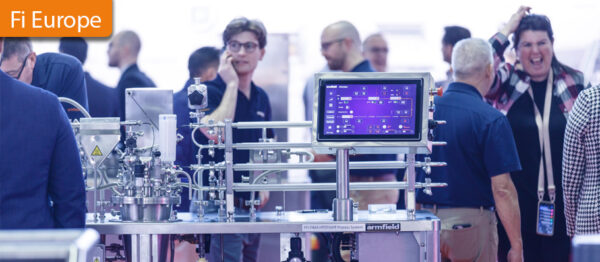
The Legacy of Fi Europe
Food Ingredients Europe began as a biennial event in 1986, hosted in major European cities. Today, it runs annually, often alongside Health Ingredients Europe, to deliver an unparalleled platform where the most innovative ideas meet real-world solutions. The event has welcomed over half a million attendees throughout its history and remains a cornerstone for those seeking to network, learn, and enhance their business capabilities.
Fi Europe 2024 is set to draw thousands of industry professionals and will showcase pioneering ingredients and services that are poised to shape the future of food technology.
Why Visit Armfield?
For three decades, Armfield has been at the forefront of food and beverage technology, providing comprehensive solutions that empower both universities and industry professionals alike. By visiting our stand, attendees will:
- Witness the capabilities of high-performance machinery tailored for product development and research purposes.
- Receive expert insights from our knowledgeable team, ready to answer questions and provide guidance.
- Explore potential partnerships and discover how Armfield’s solutions can be integrated into academic or research initiatives.
Our presence at Fi Europe embodies our dedication to continuous improvement and support for the educational sector. We believe in fostering strong industry relationships that pave the way for new innovations.
Join Us at Fi Europe 2024
We invite you to join Armfield at Stand 3.1C20 to discover how our solutions can elevate your food technology programs. Whether you’re an academic, a researcher, or a professional in the food processing industry, our team is excited to meet you and share our latest advancements.
For further details or to explore our product catalogue ahead of the event, please contact us or request a product brochure.
Visit us at Stand 3.1C20 from 19th to 21st November at Messe Frankfurt.
The Science of Carbonation and Armfield’s FT102XA
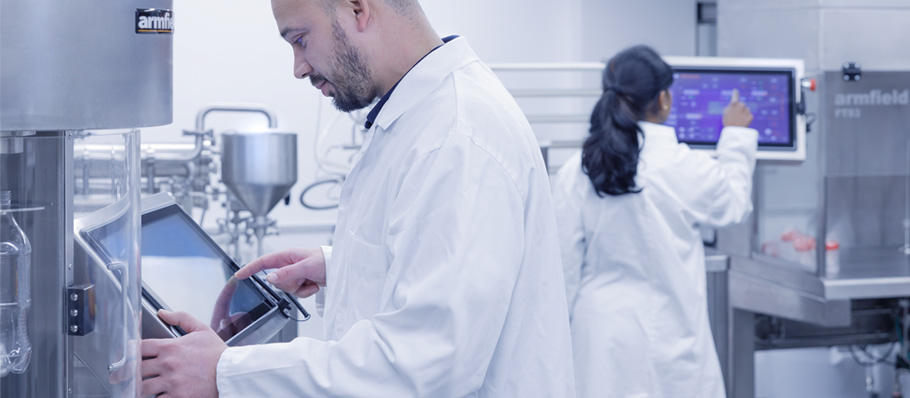
Fizzing with Flavour: The Science of Carbonation and Armfield’s FT102XA
Carbonation is a crucial process in creating the sparkling drinks we all love, from soft drinks to alcoholic beverages. At the forefront of carbonation technology is Armfield, a leader in the manufacture and distribution of innovative carbonation machines. Among their most advanced offerings is the FT102XA, a state-of-the-art machine designed to revolutionise the carbonation, filling, and capping process for beverages. With its cutting-edge technology and remarkable precision, the FT102XA ensures that beverage producers can create the perfect fizz every time.
What is Carbonation?
Carbonation involves the infusion of carbon dioxide (CO₂) gas into liquids, creating the bubbles that make drinks effervescent. This process not only enhances the texture but also alters the flavour by introducing a slight tang through the formation of carbonic acid. Carbonation has a rich history dating back to the 18th century and continues to be a key factor in modern beverage production.
The FT102XA: Revolutionising Carbonation Technology
Armfield’s FT102XA carbonation machine is at the cutting edge of beverage technology. With high-precision carbonation and filling capabilities, the FT102XA enables manufacturers to carbonate premixed products or water and syrup in a post-mix configuration. It’s a versatile machine, capable of handling a wide range of beverages, including soft drinks, alcoholic beverages, and even highly foaming products that would typically pose challenges in carbonation.
Here’s what makes the FT102XA stand out:
High Precision and Flexibility
The FT102XA is equipped with advanced features that ensure accurate carbonation levels, with the ability to reach over 12g/l of CO₂ with an impressive accuracy of ±0.1g/l. Whether you’re filling PET, glass bottles, or cans, the FT102XA can seamlessly switch between different packaging options, including screw capping, crown capping, and its newly integrated can seaming system.
The system’s flexibility is enhanced by its pre-mixing and post-mixing capabilities, allowing producers to choose the most efficient method based on the beverage type. Whether it’s sparkling water or a complex flavoured soda, the FT102XA handles it all with ease.
Built for Efficiency
Efficiency is key in any production environment, and the FT102XA is designed with that in mind. Its internally mounted high-efficiency chiller eliminates the need for an external cooling system, saving valuable space in laboratories or production facilities. Moreover, its minimum batch volume capability—ranging from 1 to 3 litres—means it can handle small batches efficiently, making it ideal for pilot-scale production or niche beverage lines.
The machine also offers the ability to measure dissolved oxygen and CO₂ directly, a feature that provides precise control over carbonation levels and ensures consistent product quality across batches.
Handling High-Foaming Products
One of the major challenges in carbonation is managing highly foaming beverages, such as certain beers or sparkling wines. The FT102XA includes a new vacuum system that makes it compatible with high-foaming products, ensuring that carbonation is achieved without compromising on quality or volume.
CO₂ Recycling for Sustainability
Environmental considerations are more important than ever in modern manufacturing. The FT102XA addresses this with its CO₂ recycling capability, which not only improves efficiency but also reduces the environmental impact of beverage production. By capturing and reusing CO₂, the machine cuts down on waste and lowers the carbon footprint of the carbonation process, making it a more sustainable choice for manufacturers.
Advanced Control Systems
The FT102XA is equipped with Armfield’s ArmBUS control system, offering users access to 32 pre-set process recipes. This high level of automation ensures that each batch is carbonated with precision and consistency. Additionally, the system allows for full data capture, which can be exported for analysis, making it easier for manufacturers to track and optimise their processes.
Technical Capabilities of the FT102XA
The FT102XA is not just about precision and efficiency—it’s also built to meet the technical demands of modern beverage production. Here are some of its standout technical specifications:
- Vessel capacity: 15 or 30 litres working capacity
- Gas content: 0-12 g/l, suitable for CO₂, N₂, or safe gas alternatives
- Capping methods: Screw capping, crown capping, can seaming, and Rip-cap
- Minimum batch volume: 1-3 litres, depending on the vessel used
- Maximum vessel pressure: 4 bar
- Contact surfaces: Made from food-safe materials such as 316L stainless steel, PTFE, and borosilicate glass
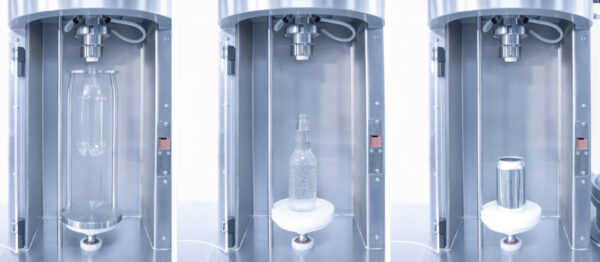
These features make the FT102XA an ideal choice for both small-scale and larger production environments, providing flexibility and precision in carbonation across a wide range of beverages.
The Environmental Impact of Carbonation
While carbonation is a vital part of modern beverage production, it does have environmental implications, particularly when it comes to single-use plastics. Armfield’s FT102XA offers a more sustainable approach by supporting CO₂ recycling and the use of eco-friendly packaging materials like bioplastics and glass. The machine’s ability to handle PET, bioplastic, glass, and cans means it caters to the increasing demand for environmentally responsible packaging solutions.
Popular Carbonated Beverages and How the FT102XA Enhances Production
From cola to sparkling water, carbonated beverages dominate the global drinks market. The FT102XA offers the technology to enhance the production of these drinks by ensuring consistent carbonation, precise filling, and reliable capping. The machine is also capable of handling syrup dosing into bottles, offering flexibility for manufacturers who produce a variety of beverages, including sodas and energy drinks.
With the FT102XA, Armfield ensures that each drink is carbonated to perfection, maintaining the balance between flavour and fizz that consumers love.
Frequently Asked Questions
What is the FT102XA capable of in terms of beverage production? The FT102XA is designed to carbonate, fill, and cap beverages in a range of packaging types, including PET, glass, and cans. It is capable of handling both soft drinks and alcoholic beverages, as well as highly foaming products like certain beers and sparkling wines.
How does the FT102XA handle different types of packaging? The machine is incredibly versatile, offering screw capping, crown capping, and an integral can seaming system. This flexibility ensures that beverage producers can package their products in a variety of formats without compromising on quality or efficiency.
What makes the FT102XA environmentally friendly? The FT102XA includes a CO₂ recycling feature that reduces waste and lowers the environmental impact of beverage production. It also supports the use of bioplastic and glass packaging, offering more sustainable alternatives to traditional plastic bottles.
How does the FT102XA manage high-foaming products? The FT102XA is equipped with a vacuum system specifically designed to handle highly foaming beverages. This ensures that carbonation is achieved smoothly, without the risk of excessive foaming or spillage.
Take Your Beverage Production to the Next Level with the FT102XA
If you’re looking to enhance the carbonation and filling processes in your beverage production, the FT102XA offers unparalleled accuracy, flexibility, and sustainability. Contact Armfield today to learn more about how the FT102XA can transform your production line. Contact us here.
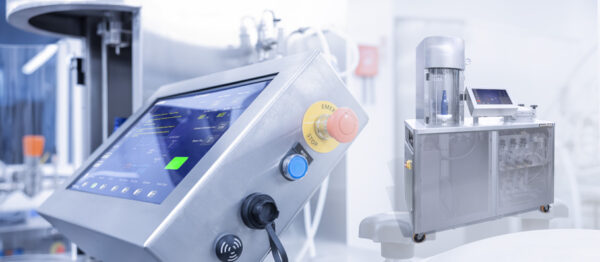
You may also like
- Armfield announces the successful launch of our FT102XA Carbonator.
- Reducing Energy Consumption in Food Manufacturing
- Kombucha and Armfield
Bespoke Flumes by Armfield: Tailored Solutions For Research
When it comes to hydraulic and environmental research, one size does not fit all. Every research project has unique requirements, and that’s why Armfield offers bespoke flumes designed specifically to meet the needs of individual institutions and research programmes. With over 50 years of experience, Armfield is the leading name in the design and construction of research and teaching flumes, providing tailored solutions that enable ground-breaking studies in hydrology, coastal erosion, sediment transport, and more.
What Makes Armfield Bespoke Flumes Unique?
While Armfield’s standard range of teaching and research flumes offers impressive flexibility, bespoke flumes go a step further by providing customisable designs that align precisely with your specific research objectives. Our bespoke flume systems are designed with a deep understanding of the complexities involved in hydraulic research, offering a tailored approach that enhances experimental capabilities and accuracy.
With bespoke options, Armfield can create flumes of almost any size and configuration, incorporating features such as specialised wave generation, custom sediment transport systems, and environmental simulation equipment. These systems are not only versatile but also built with cutting-edge technology and precision, ensuring that your research is as accurate and reliable as possible.
Customisation Options for Bespoke Flumes
Bespoke flumes from Armfield can be customised in virtually every aspect, allowing for unparalleled adaptability in both teaching and research environments. Whether you’re investigating the effects of river flow, on sediment transport or simulating coastal erosion under storm conditions, our bespoke flume systems offer everything you need to conduct specialised, high-precision experiments.
Here are some of the customisation options available for bespoke flumes:
1. Wave Generation Systems
Armfield offers advanced wave generation systems for research projects focused on coastal dynamics. Bespoke flumes can also integrate wind simulation to create wind-generated waves, making it possible to study the combined effects of wind and water in coastal environments.
Example Application:
It is mainly used for river and coastal research but has contributed to a wide range of research, ranging from studying sedimentation in the ocean to theorising the formation of hill slopes on Mars..
2. Sediment Transfer and Weighing Systems
Sediment transport plays a vital role in environmental research, particularly in studies of erosion and deposition. Armfield can integrate sophisticated sediment transfer systems into bespoke flumes, including both recirculation and non-recirculation options. Our flumes are equipped with specialised weighing systems that log data in real time, making it easy to track sediment movement and deposition over time.
Example Application:
A bespoke flume developed for a research university included a sediment recirculation system with a separate solids-handling pump that could handle sediment up to 10mm in size. This system allowed the team to simulate sediment transport in river channels, providing insights into erosion patterns under various flow conditions.
3. Wind Simulation Systems
Understanding the interaction between wind and water flow is essential for many hydraulic studies. Armfield offers bespoke flumes equipped with wind simulation systems capable of producing wind speeds in excess of 25 metres per second. These systems are fully integrated with the flume, allowing researchers to combine wind and wave effects for more comprehensive environmental simulations.
Example Application:
A bespoke flume with wind simulation capabilities was designed for a marine research facility to study the combined effects of wind and waves on coastal erosion. The flume incorporated variable-speed fans and a clear cowling, enabling the team to simulate a variety of wind profiles in conjunction with different water flow conditions.
4. Specialised Weir Configurations
Weirs are a critical component in controlling water flow in hydraulic experiments. Armfield bespoke flumes can incorporate a variety of weir options, such as Venetian blind weirs, base hinge weirs, undershot/overshot weirs, and stop log weirs. These custom weir configurations allow for precise control over water height and flow, making them ideal for experiments involving sediment transport, flood simulation, or river dynamics.
Example Application:
A custom flume with a Venetian blind weir was created for a water engineering firm to reduce turbulence and enable smooth sediment transport in their flood simulation experiments. This system provided a stable environment for studying the effects of floods on sediment deposition.
Precision and Automation in Bespoke Flume Design
Automation is a key feature in all Armfield flumes, and our bespoke systems are no exception. Each custom flume is fitted with a PLC control system that automates critical parameters such as flow rate, water depth, and tilt. This level of precision ensures that your experiments are reproducible and data collection is accurate, freeing researchers to focus on their analysis.
Additionally, our bespoke systems can be integrated with Particle Image Velocimetry (PIV) technology, allowing for real-time tracking and visualisation of flow dynamics. This advanced feature is invaluable in experiments where understanding the fine details of fluid flow is critical.
End-to-End Service: From Concept to Completion
At Armfield, we pride ourselves on delivering more than just equipment. Our team works closely with clients throughout the entire process, from initial design consultations to installation and commissioning. We provide full support at every stage, ensuring that the bespoke flume system is delivered on time, installed correctly, and operating smoothly.
Our professional service team also provides comprehensive training for your staff, ensuring that you can maximise the capabilities of your new flume system. Whether you need on-site support or remote assistance, Armfield is committed to helping you achieve the best possible outcomes in your research.
FAQs
1. What kind of projects can benefit from bespoke flumes?
Bespoke flumes are ideal for complex research projects that require specific features not available in standard models. Examples include coastal erosion studies, sediment transport experiments, and flood simulations. Armfield can tailor flumes to meet the exact needs of each research project, ensuring that every aspect is optimised for accuracy and efficiency.
2. How are Armfield bespoke flumes customised?
Every component of an Armfield bespoke flume can be customised, including wave generators, sediment handling systems, wind simulation, and weir configurations. We work closely with our clients to design flumes that meet their specific research goals, and we offer a wide range of optional features to enhance experimental capabilities.
3. What support does Armfield offer for bespoke projects?
Armfield provides complete end-to-end support for all bespoke flume projects. From the initial design and consultation phase through to installation, commissioning, and training, our team ensures that your bespoke flume meets your exact specifications. Ongoing maintenance and remote support are also available to ensure that your flume continues to operate at peak efficiency.
4. How does automation improve the precision of bespoke flumes?
Automation allows for precise control over key experimental variables such as flow rate, water depth, and tilt. In a bespoke flume, this can be critical for achieving accurate and repeatable results. Our PLC control systems can also integrate with advanced technologies like PIV, providing real-time visualisation of flow dynamics for more detailed analysis.
Taking the next step
If you’re ready to invest in a bespoke flume system that meets your unique research needs, contact us today. Armfield’s expert team will work with you to design a tailored solution that enhances your research capabilities. Visit our contact page to speak with a specialist and get started on your bespoke project.
You may also like:
The Ultimate Solution for Teaching and Research Flumes
The Ultimate Solution for Teaching and Research Flumes:
When it comes to advanced hydraulic research and education, the quality of your equipment makes all the difference. At Armfield, we are proud to offer world-class teaching and research flumes that combine cutting-edge technology with over 50 years of expertise in hydraulic engineering. Our flumes provide an adaptable, durable, and precise platform for simulating real-world water flow and sediment dynamics, making them the preferred choice for universities, research institutions, and industries across the globe.
Armfield’s Modular Design: Flexibility in Experimentation
One of the standout features of our teaching and research flumes is their modular design. Available in standard lengths from 5 to 50 meters, with the option to expand in 2.5-meter increments, they offer unmatched flexibility. Choose from widths of 600mm, 800mm, or 1000mm, allowing you to customize your setup for experiments focused on sediment transport, wave generation, or erosion studies.
Our modular flumes are offered in both static and tilting configurations, providing precise control over water flow and gradient. This versatility makes them ideal for everything from basic teaching to advanced research. With the ability to add sections as your research grows, Armfield flumes provide a long-term solution for a wide variety of experiments.
Customisable Options for Comprehensive Research
At Armfield, we understand that every research project is unique. That’s why our flumes are designed with a variety of customisable features. Our systems can include wave makers, sediment transfer mechanisms, wind generators, and controlled by Venetian weirs, which manage water depth, eliminate drawdown, and ensure laminar flow for more accurate and consistent results. These options allow researchers to conduct highly specialised studies, ranging from river dynamics and coastal erosion to sediment deposition and flood simulation.
Our flumes are also available in free discharge or recirculation configurations. For laboratories equipped with sumps or header tanks, the free discharge model may be ideal. For more self-contained systems, we offer recirculation flumes, which ensure that water is continuously cycled through the system. This flexibility allows our flumes to fit into any laboratory setup, whether it’s a state-of-the-art research facility or a teaching laboratory.
Advanced Automation and Precision Control
Incorporating modern automation is key to accurate, reproducible results in hydraulic research. That’s why all Armfield flumes are equipped with a PLC control system, complete with a user-friendly touchscreen interface. This system allows for automated control over key variables such as flow rate, water depth, and tilt angle. Automation not only improves the accuracy of experiments but also frees up researchers to focus on analysis rather than manual operation.
Additionally, we offer the integration of Particle Image Velocimetry (PIV) systems, enabling researchers to record and visualise flow dynamics in real-time. Whether your experiment involves studying sediment transport or simulating coastal wave action, these advanced instrumentation options ensure that you collect reliable, high-precision data.
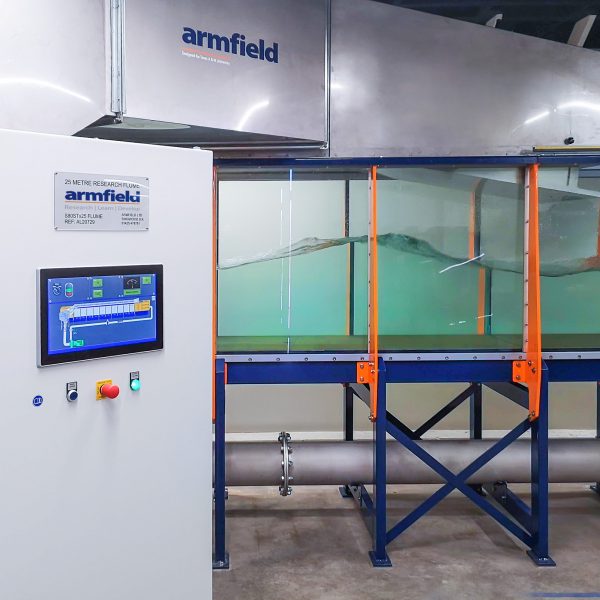
Durable, High-Quality Materials
At Armfield, we prioritise quality and durability in every product. Our teaching and research flumes are constructed from high-grade materials like stainless steel, glass, and Glass Reinforced Plastic (GRP), ensuring that the flumes are built to last. This robust construction is essential for handling harsh conditions, such as high flow rates or sediment-laden water, without compromising on accuracy or stability.
Moreover, our flumes are equipped with load-bearing instrument rails along the entire working length, providing additional support for complex setups. The glass panels are carefully sealed using a rubber “U” section, and the overall design is engineered to prevent deflection, ensuring exceptional stability and rigidity throughout operation.
Tailored Support and Installation Services
Investing in Armfield teaching flumes means more than just acquiring world-class equipment. Our team provides end-to-end support, from design and customisation to installation and ongoing maintenance. Our professional service team will oversee every aspect of the setup, including transportation, installation, and commissioning. In addition, we offer on-site training to ensure that your team can operate the flume to its full potential.
Our engineers work closely with each clients brief to ensure that every requirement, from technical specifications to installation timelines, is fully met. With our decades of experience in the industry, we’ve successfully executed a wide range of complex projects, from small-scale educational setups to large-scale industrial research flumes.
Wide Range of Applications
Armfield teaching and research flumes are designed to serve a broad spectrum of research and educational purposes. Whether you’re studying river behaviour, coastal erosion, or flood dynamics, our flumes provide the tools you need to conduct detailed, accurate experiments.
For example, wave generation is a critical area of study for coastal engineers. Our wave makers can simulate anything from simple paddle-driven waves to complex, multi-directional waves generated by wind or computer-controlled systems. This makes our flumes ideal for studying the behaviour of sea walls, breakwaters, and beach erosion.
Additionally, our wind simulation systems allow for the integration of variable-speed wind profiles into hydraulic experiments. This feature is particularly useful for investigating the combined effects of wind and water flow, such as in studies of storm surge impacts on coastal structures.
FAQs
1. What are the benefits of a modular flume design?
Modular flume designs offer flexibility in research and teaching, allowing users to extend the length in 2.5m increments. This makes it possible to tailor the flume to specific research needs, such as sediment transport or wave dynamics, and to expand the system as future projects evolve.
2. Can Armfield flumes be used for both teaching and research?
Absolutely. Armfield flumes are designed for versatility, making them suitable for both educational and research applications. Our systems can be customised to meet the needs of undergraduate teaching labs or advanced, high-precision research environments.
3. What customisation options are available for Armfield flumes?
Our flumes come with a wide array of customisation options, including wave makers, sediment transfer systems, wind generators, and various weir configurations. These features enable researchers to conduct specialised studies in areas such as flood simulation, coastal erosion, and sediment deposition.
4. Do you offer support after installation?
Yes, Armfield offers comprehensive after-sales support. Our professional service team provides installation, commissioning, and on-site training to ensure that your team can operate the system effectively. We also offer ongoing maintenance and remote support for troubleshooting.
Find out more
Take your hydraulic research to the next level, contact us today to learn more about our range of teaching and research flumes, and how we can customise a solution to meet your specific requirements. Visit our contact page to speak with one of our experts.
How Technology in the food Industry is Changing the Way We Eat
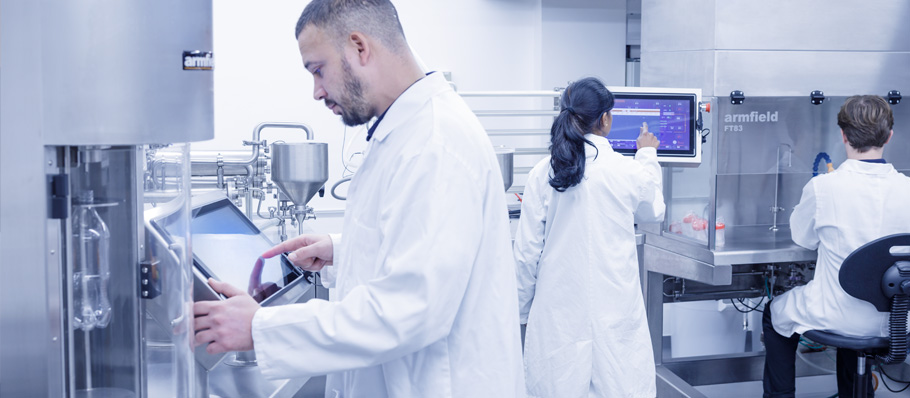
Technology plays a pivotal role in driving innovation and efficiency in the Food Industry. Armfield is a leader in providing cutting-edge solutions for the food sector, this article explores the numerous benefits of technology in the food industry and how Armfield utilises these advancements to enhance learning and application.
The Role of Technology in the Food Industry
Technology has been a transformative force in the food industry, reshaping production, distribution, and consumption. Over the years, technological advancements have revolutionised how food is processed, packaged, and delivered, leading to increased efficiency and reduced costs. At Armfield, we recognise the importance of staying ahead of these trends and offer state-of-the-art pilot plant equipment that allows food manufacturers to experiment with new processes and products before full-scale production.
Increased Efficiency and Reduced Costs
One of the most significant benefits of technology in the food industry is the increase in production efficiency. Automation and advanced machinery have streamlined operations, allowing for faster and more consistent production. This not only reduces operational costs but also ensures that food products meet high-quality standards. Armfield’s equipment is designed to mimic full-scale production environments, enabling manufacturers to optimise their processes and achieve greater efficiency.
an example of a product that offers such efficiencies is The FT102XA Carbonator
Improving Food Safety and Quality Control
Food safety is a paramount concern in the industry, and technology has greatly enhanced quality control measures. With the integration of sensors and automated systems, manufacturers can monitor every stage of the production process in real time, ensuring compliance with stringent safety regulations. Armfield’s equipment incorporates these technologies, helping to prevent foodborne illnesses and maintain product integrity.
For example, the FT174 UHT/HTST System protects the sterility of the product line by ensuring the entire line reaches industry standard sterilisation temperatures prior to filling.
Advancements in Food Packaging and Preservation
Technology has also had a profound impact on food packaging and preservation. Innovative techniques such as vacuum sealing and modified atmosphere packaging extend the shelf life of food products and reduce waste. These advancements not only benefit manufacturers by lowering costs but also provide consumers with fresher and safer food options. Armfield supports these innovations through our versatile pilot plant equipment, which allows manufacturers to test and refine their packaging processes with real products.
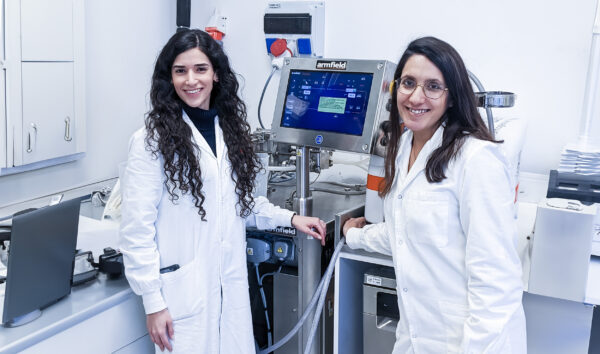
Enhancing the Consumer Experience
The consumer experience has been significantly improved by technology, with innovations such as online ordering systems and food delivery apps making it easier for consumers to access their favourite foods. This technology is contributing to greater demand for food. At Armfield, we understand the importance of meeting consumer demands and preferences. Our equipment is designed to help food manufacturers deliver high-quality products that satisfy their customers, enhancing overall consumer satisfaction.
Benefits in Food Distribution and Supply Chain Management
Technology has transformed food distribution and supply chain management, offering real-time tracking and inventory management systems. These advancements ensure that food products are delivered efficiently and safely, reducing the risk of spoilage and waste. Armfield’s solutions support these technologies, enabling manufacturers to streamline their supply chains and improve their distribution processes.
Armfield’s equipment enables users to perfect recipes and consequentially improve shelf life through thermal treatment, reducing weight through the drying process, and clean label ingredients reduction.
Promoting Sustainability in the Food Industry
Sustainability is a growing concern, and technology offers solutions to address this challenge. By reducing energy consumption and minimising waste, technology supports sustainable practices in the food industry. Armfield’s pilot plant equipment is designed to optimise production processes, helping manufacturers produce more with less and contribute to a more sustainable food system.
Revolutionising Food Production
Technology has revolutionised food production, from precision agriculture to vertical farming. These innovations have improved the way we grow and harvest food, increasing productivity and reducing environmental impact. Armfield is committed to supporting these advancements by providing equipment that enables manufacturers to explore new technologies and processes, ensuring they remain competitive in a rapidly changing industry.
In conclusion, the benefits of technology in the food industry are vast and varied. From increased efficiency and improved food safety to enhanced consumer experiences and sustainability, technology is transforming the way we produce and consume food. At Armfield, we are proud to be at the forefront of this transformation, providing innovative solutions that empower food manufacturers to innovate and excel.
If you are interested in learning more about how Armfield’s technology can benefit your food production processes, we invite you to contact us today. Visit our contact page to get in touch with our team of experts who are ready to assist you in finding the perfect solution for your needs.
You may also Like:
- Pilot Plant Equipment: An Overview Guide – Armfield
- Flood research – S100 tilting Research Flume Newcastle University
- Armfield announces the successful launch of our FT102XA Carbonator.
Armfield open a new Academy Suite
Introducing Armfield Academy, our gateway to learning and knowledge.
Stay updated, participate in innovative training, and access our resources by contacting us through www.armfield.com
HT10X Heat Transfer/HT30X Heat Exchange Ranges
The Armfield HT10X Heat transfer range:
Includes 11 different accessories to demonstrate the three basic modes of heat transfer (conduction, convection, and radiation). A common service unit avoids unnecessary cost duplication for control and instrumentation.
Educational software, including mimic diagrams, real-time control, data logging, and graph plotting is Included as standard with the service unit. Embedded software-based PID control of heater and water flow control enables a steady state to be achieved in less than two minutes which maximises the time during a laboratory session that the student can undertake experimentation.
The Armfield HT30X Heat exchange range
Includes 7 different accessories representative of industrial heat exchangers to demonstrate air-to-water and water to water Heat Exchange (Tubular, Plate, Shell and Tube, Jacketed vessel, and Crossflow). A common service unit avoids unnecessary cost duplication for control and instrumentation. Educational software, including mimic diagrams, real-time control, data logging, and graph plotting is Included as standard with the service unit.
Embedded software-based PID control of hot and cold water and computer-controlled reversing of one of the fluid streams for co-current and counter-current investigations maximises the time during a laboratory session that the student can undertake experimentation.
The flexibility of both systems allows the unit to be operated in a standalone environment.
For more information click here
Fluidised Bed Systems
Studying fluidized bed systems is an important aspect of chemical engineering education, especially for undergraduate students. Fluidized beds are widely used in various industrial processes, such as combustion, catalytic reactions, drying, and particle coating.
Many universities only briefly touch on this subject as part of there curriculum and as such finding budget for this important subject is challenging.
The Armfield Ltd FS-4.1 Fluidised bed module offers a cost-effective demonstration into the characteristics of a packed and fluidised bed.
The teaching outcomes are:
▪ Characteristics of a packed and fluidised bed.
▪ Plot a graph showing the relationship between pressure drop and flow rate.
▪ Demonstrate pressure reading confirm with Darcy’s equation.
▪ Relationship between pressure drop and height of bed.
▪ Discuss the behaviour of particles when fluidised.
▪ Understand the relationship between L and (1 -ɛ).
For more information about our Fluid Science bundled solution! Alternatively, speak with our team.
Armfield announce the successful launch of our FT102XA Carbonator.
At Armfield Ltd, we’re driving innovation in the food and beverage industry. Introducing our game-changing miniature technology, engineered to streamline your operations.
▪ Experience faster results and cost savings like never before.
▪ No more delays or budget overruns.
Embrace efficiency and achieve your goals with Armfield’s ground-breaking solutions. Exciting news for the food and beverage industry!
Armfield are thrilled to announce the successful launch of our FT102XA Carbonator. This cutting-edge equipment brings exceptional carbonation capabilities to beverage manufacturers, ensuring consistent quality and taste.
Elevate your R & D with our advanced carbonation and filling technology.
▪ Reduced minimum batch volumes
▪ Ability to carbonate highly foaming products
▪ Space saving internally mounted chiller
Water Resource Management
Current studies in geoscience and earth science looks at the processes that shape the earth’s surface, natural resources and how water and ecosystems are interconnected. As well as the effects these have caused in the past, present and what changes may need to be implemented for the future.
The Armfield Ltd FEL and S Series – These range of products offers both laboratory and field-learning opportunities. It also introduces such diverse topics as crop water requirements, erosion, soil moisture content, ground water flow, plant water need and sprinkler irrigation systems.
See more here:
S6-MKIII Teaching Flume
The S6-MKIII laboratory flow channel is one of the most important tools available to the hydraulics or civil engineer whether engaged in teaching basic principles or researching solutions to practical problems. Developed during 30 years of continuous production, examples are installed in educational and research establishments throughout the world.
The flumes are assembled from modular sections of 2.5m length to suit the application, short versions for basic investigations and longer versions for investigations of gradually varied flow profiles with non-uniform channel flow.
S Series – Hydraulics & Hydrology:
SV Structures Series
The Armfield SV Structures Series consists of 24 modular experiments specifically designed to allow Civil, Mechanical and Structural engineering students to understand the principles of forces and moments, forces in a truss, strength of materials and bridges, beams, arches and cables.
The Structures range utilises the Armfield armBUS software system to collect, display in real time and store the data from the instrumentation, the data can be exported to Excel.
See more here:
Flood research – S100 tilting Research Flume Newcastle University
Armfield Ltd’s 12.5m free discharge S100 tilting Research Flume installed at University of Newcastle Fluid Science Department. The system is capable of controlled water flow up to 400l/s at water depths up to 0.8m deep.
Our engineers have designed a flume to carry out flood event studies, leaky barriers, dams giving away, effect on structures and more. This flume furthers our involvement in creating equipment for erosion studies, please contact us for more information or talk to us about your requirements. www.armfield.co.uk
To maximise available tilt (to 5%) the flume was designed to sit within the existing sump tanks, unique features included a bespoke flood dam system enabling research into flood events and a sediment recirculation system capable of handling solids up to 10mm. Water depth is controlled using Armfield’s unique venetian blind weir all fully automated through the integrated touchscreen control panel.
This project adds to a suite of flumes in the Novak lab which comprises of two S3 flumes dating back to the 1960’s and one 1970’s S6 unit, all of which are still in constant use.
Southern California IFT Suppliers Night Expo
Meet us at the Southern California IFT Suppliers Night Expo, Hyatt Regency, Orange County on Thursday March 9th from 3:30pm-8pm!
It is an active, vibrant show that includes professionals from the food service, dairy, meat, seafood, bakery, nutraceutical and pharmaceutical industries specifically.
The Armfield Ltd Industrial Food research range spans from simple thermal processing to color\flavor extractions, spray drying, carbonated beverages, edible oils research to evaporation. We are a low cost, effective answer to your product development needs.
www.armfield.com
The Armfield C6-MKII-10 Fluid Friction Measurements unit
Provides facilities for the detailed study of fluid friction head losses, which occur when an incompressible fluid flows through pipes, fittings and flow metering devices.
A wide range of measurements, demonstrations and training exercises are possible with the equipment:
· Confirming the relationship between head loss due to fluid friction and velocity for flow of water
· Determining the head loss associated with flow through a variety of standard pipe fittings
· Determining the relationship between pipe friction coefficients and Reynolds’ number for flow through a pipe with roughened bore
· Demonstrating the application of differential head devices in the measurement of flow rate and velocity
· Providing practical training of pressure measurement techniques
· Enhancing understanding of the hydraulic principles involved through the use of complementary computer software
See more at www.armfield.co.uk
Supply Side West in Las Vegas
Come see us at Supply Side West in Las Vegas 27th and 28th of October, Stand #1977
Mark, Titus and Will are there to welcome you to the Armfield Stand and discuss the exciting new developments added to the already vast Armfield range of products available for enhanced product Research and Development.
These include the FT74XA HTST/UHT unit, the high-pressure FT25XA crystalliser and the even more flexible FT102X carbonator/filler. Other available systems we offer are suitable for processing a range of products related to HTST/UHT, extraction, spray drying, oil processing, filtration, mixing sterile filling, homogenisation, carbonation/filling and much more.
Computer control is so much more than just datalogging a sensor!
Armfield’s range of computer-controlled products, provide not only real time monitoring and datalogging, but additional computer control of multiple variables used when undertaking experimentation.
For example, in our heat exchanger range both the hot and cold-water flow rates can be controlled from the mimic diagram screen in the HT30XC software, which is supplied as standard.
We additionally supply the ability for the pump speed to be controlled via a PID algorithm to achieve a stable flow of hot water through the heat exchanger on test. Changes to the flow that would be caused by effects, such as viscosity reduction due to increasing temperature, are eliminated by automatically adjusting the pump speed.
Contact our sales team to find out more regarding our computer control and remote access options: sales@armfield.co.uk
Montana State University
Armfield recently visited Stephanie Wettstein at the chemical engineering department, Montana State University to complete the installation of the UOP3CC Continuous Computer Controlled Distillation Column.
As innovators of educational engineering equipment Armfield have developed this state-of-the-art laboratory based distillation column to enable safe hands on practical training for student engineers and plant operators as well as empowering research in different fields to be conducted.
The UOP3CC enables a range of demonstrations from the introductory stages of a process engineering course through to the more complex demonstrations of modern control strategies.
Armfield’s professional services team offer installation, commissioning and training on site to ensure that laboratories and research centres are able to fully utilise all equipment at the earliest opportunity.
See more at www.armfield.com
Armfield S6-MKII laboratory flow channel
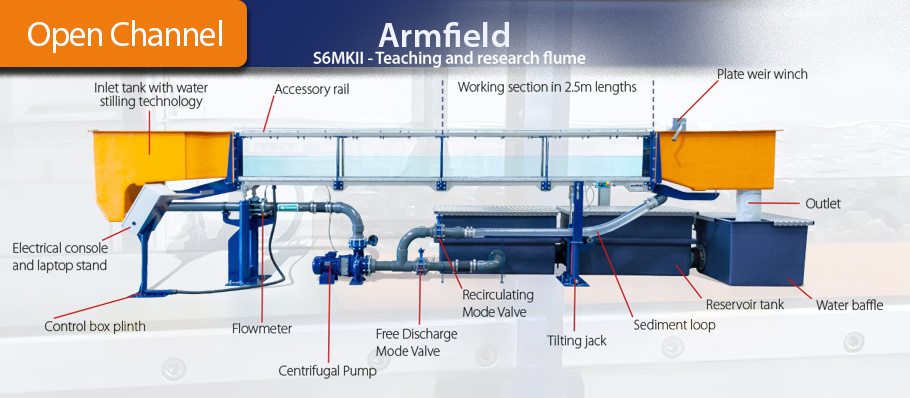
The Armfield S6-MKII laboratory flow channel is one of the most important tools available to the hydraulics or civil engineer whether engaged in teaching basic principles or researching solutions to practical problems. Many applications in fluid mechanics are associated with the flow of water through an open channel where the water has a free surface that is exposed to the air at atmospheric pressure.
The flumes are available in different lengths from 5 to 15m (in 2.5m sections) and examples are installed in educational and research establishments throughout the world.
A comprehensive range of accessories and measuring instruments are available including discharge control, wave generation and a closed loop for sediment transport studies.
See more at www.armfield.co.uk
Armfield Remote Controlled Equipment
As innovators of engineering educational equipment, it is not new for Armfield Ltd to offer remote access on their products. Self-based learning in the current environment is key and Armfield provide students and lecturers with the access and capability required to continue comprehensive teaching.
Engaging students in their subject is paramount, especially with restrictions on face to face teaching, so by providing access, to a user based system that not only allows you real time data logging but also to remotely control equipment, is a necessity in teaching going forward.
National Scientific Corporation – New Armfield Agent in Pakistan
Armfield supports local territories by working with agents with industry expertise across the world.
Supported closely by our in-house dedicated Area Sales Managers your local agent is fully briefed on our suite of products and kept up to date with the latest developments and enhancements.
We are very pleased to announce that the New Agent in Pakistan is National Scientific Corporation, who will be working as our Armfield Agent in Pakistan and we welcome to the Armfield family.
TH6 Film & Dropwise Condensation Unit
The Armfield TH6 Film & Dropwise Condensation Unit enables students to gain a knowledge of two fundamental condensation processes and how they affect efficiencies and heat transfer, found in industries such as steam power plants and distillation operations.
Used to demonstrate dropwise condensation, demonstrated by means of the condenser with a polished gold-plated surface and film condensation which forms on the matt copper surface of the second condenser.
The pressure in the main vessel can be reduced using a water jet pump to allow the student to observe it’s influence. Additionally, boiling point can be varied by a combination of changing the pressure in the system and controlling the heating power or water temperature by simple controls. The TH6 additionally includes the ability to undertake experimentation into the influence of non-condensing gases on the condensation processes.
Sensors record the temperature, pressure (vacuum) and flow rates at all relevant points. These measured values along with heater power are displayed via the unique ArmBUS software system which also includes inbuilt equations and a data export functionality for off-line analysis.
www.armfield.co.uk
Armfield FT25 Scraped Surface Heat exchanger
New Generation Crystallisers
Armfield have released the new generation of R&D Scraped Surface Heat exchanger crystallisers for fats, oils and ice cream. Mounted on a very small footprint frame, our systems allow you to process up to pressures of 40 bar, option dependent.
Based on collaboration with industry an enhanced scaled down version of a production plant has been created allowing for rapid testing of new and existing formulations in the laboratory. Parameters can be altered quickly allowing for optimisation of the process, with the data being logged for QA/QC purposes.
Contact Industrial Food Technology sales at www.armfield.co.uk
Armfield Process Control Teaching System
Introduce students to the fundamentals and principles of process control with Armfield’s Essentials of Process Control range.
A highly visible and easy-to-understand suite of products to demonstrate controlled variables of level, flow, temperature and pressure. ArmSOFT software allows control and data acquisition using a PC including, when testing any of the control loops, the ability to control the process and initiation of step changes as well as response recording through graphing. This real-time data can then be exported for further analysis, See the full range of PCT-related products.
Armfield Dissectible Pumps & Valves
Prepare students for future careers in industrial jobs with the Armfield Machine Elements range. Perfect for learning industrial skills such as pump & valve operation, disassembly, refurbishment and re-assembly via hands on practical application.
Designed for easy storage and supplied in a toughened case each set includes a full tool kit, manuals and laminated job worksheets. sales@armfield.co.uk
Coronavirus Update
Armfield are monitoring the ongoing situation relating to the outbreak of Coronavirus and are not envisaging any disruption to the supply of goods at this time to our customers. In regards to IC&T and support services, we are adhering to UK guidelines and Government advice in relation to travel and movement of people and in the interim are able to provide support videos to help our customers.
As a company we are following all the government directives to protect our staff, customers, suppliers and the collective effort to fight the spread of coronavirus.
Please contact us www.armfield.co.uk or sales@armfield.co.uk for support contact armfieldassist.com
Armfield Fluid Science Teaching Aids
Building on a proven track record of developing innovative hands-on teaching equipment, Armfield are pleased to broaden its range in the Fluid Science Series.
Introducing students to the world of engineering at the earliest opportunity and engaging with them to gain a fundamental understanding of Fluid Mechanics via an intuitive and practical suite of products.
Armfield aims to provide students with a thorough grounding and understanding of the theory of:- Venturi meter, Orifice plate, Energy losses in pipes, Energy losses in bends, Free surface demonstration (surface at atmospheric pressure), U-tube manometer and Inclined manometer.
See more here> https://armfield.co.uk/product-category/educational-products/ef-series-engineering-fundamentals/
Newcastle S100 Research Flume
Armfield’s Research Flume, designed by our engineers to carry out flood event studies, was installed earlier this year at Newcastle University’s Fluid Science Department. During the commissioning of this key research equipment footage was taken showing the capabilities on environmental research including areas such as leaky barriers, dams giving away, effect on structures and more. The flume features sediment recirculation, up to a 5% tilt, touch screen control, subfloor reservoir tank and wavemaker.
This project adds to a suite of flumes in the Novak lab which are still in constant use.
Watch the video here:
Armfield C3 Multi-pump Test Rig
The Armfield Multi-pump Test Rig has been designed to demonstrate the operating characteristics (headflow curves and efficiency) of a series of different types of pumps, each having a broadly similar input power. The rig can accommodate both rotodynamic and positive displacement pumps, and is supplied with the most common example of each type as standard (ie a centrifugal pump and a gear pump).
A range of other pump types are available as accessories, (including axial, turbine, flexible impeller, diaphragm and plunger, plus a second centrifugal pump for series/parallel demonstrations). Up to four pumps can be accommodated simultaneously within the rig for use within a single laboratory period, and each can be run without disconnecting any pipework or connections. Further pumps can also be easily interchanged. This new system benefits from electronic instrumentation, control and data logging.
As an option, the unit can be fitted with two identical centrifugal pumps to enable simple series/parallel pump configurations to be demonstrated.
Armfield Updates
Subscribe to our occasional newsletter for the latest product updates from Armfield Engineering.