



































How Engineers Calculate Cantilever Arm Placement
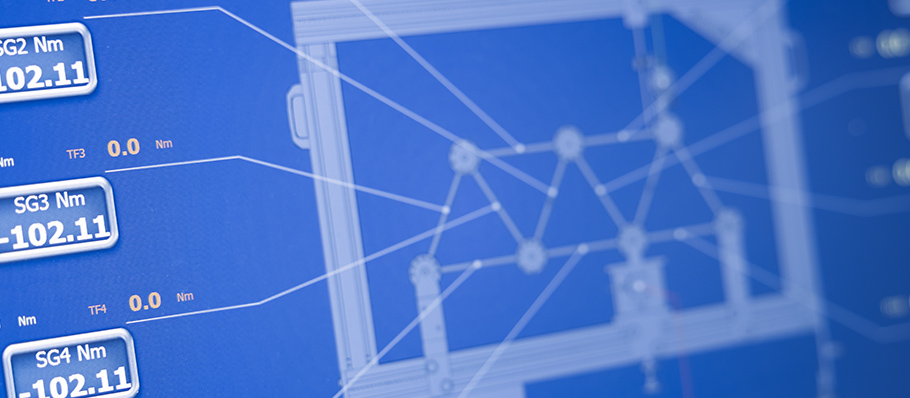
The Art of Balancing: Calculating Cantilever Arm Placement
What is a cantilever arm and why it matters
A cantilever arm is a structural element that extends horizontally and is supported at only one end. This simple concept underpins some of the most impressive feats in Structural Engineering, from cantilever bridges to Cantilever Racking Systems used in industrial storage.
Cantilever arms are designed to carry loads without additional support at the free end. That makes their placement critical. If positioned incorrectly, the entire cantilever system can lose stability. Engineers must therefore calculate placement with precision to maintain structural integrity, manage load distribution, and ensure safety.
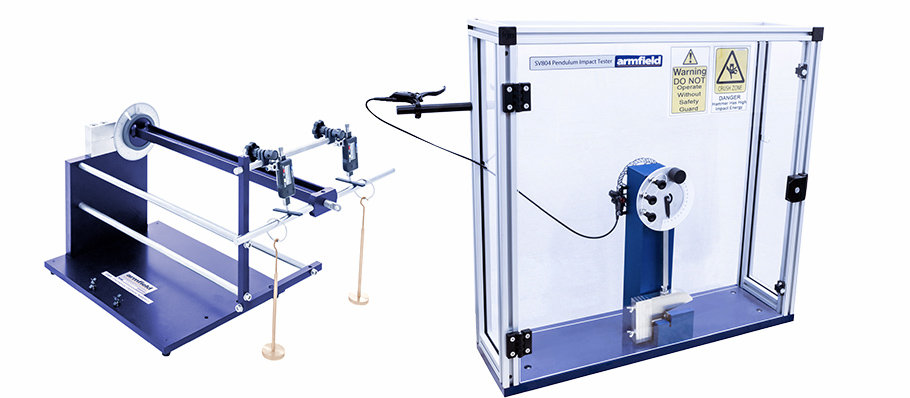
At Armfield, this principle is central to the development of educational and experimental apparatus for cantilever bridges. Their solutions allow engineers and students to explore cantilever design through real world simulation and testing.
Why correct placement of cantilever arms is critical
The placement of cantilever arms determines how forces move through a structure. A poorly positioned arm can lead to excessive bending moment, increased shear forces, and eventual failure.
In contrast, a well designed cantilever system distributes weight efficiently. It balances vertical loads, horizontal reaction force, and internal forces across the structure. This ensures lateral stability and long term performance.
Whether used in high rise buildings, storage areas, or large scale cantilever bridges, accurate placement is essential for both safety and performance.
Core principles behind cantilever arm placement
Engineers rely on a set of structural principles when calculating placement:
- Load distribution across the horizontal beam
- Reaction force calculation at the fixed support
- Shear and moment distribution along the beam length
- Cantilever beam deflection based on material stiffness
These principles help determine how a cantilevered beam will behave under different loading situations such as point load, uniformly distributed load, or heavy loads.
A simple example is the bending moment at the fixed support, which increases as the total beam length grows. This is why longer arms require stronger materials like structural steel or prestressed concrete.
Key factors engineers consider
When calculating the placement of cantilever arms, several variables are analysed:
Type of structure
A cantilever bridge requires different calculations compared to Cantilever Racking Systems. Bridges must account for dynamic loads such as traffic, while racking systems focus on static load and rated capacity.
Materials used
Structural steel, steel bars, and concrete all behave differently. The modulus of elasticity affects cantilever beam deflection, while strength determines load capacity.
Beam length and geometry
The total beam length directly influences bending moment and shear forces. Inclined arms, straight arms, and longer arms each create different loading patterns.
Load characteristics
Engineers assess weight, vertical loads, and standard loads. A uniformly distributed load creates different stresses compared to a point load.
Fixings and supports
Anchors and wedge anchors secure the system to foundation piers or walls. Their strength impacts the stability of the entire cantilever design.
The role of CAD and modern tools
Modern Structural Engineering relies heavily on CAD software and simulation tools. These systems allow engineers to model complex cantilever systems and test various loading situations before construction begins.
At Armfield, experimental apparatus complements digital modelling. Engineers can validate CAD predictions through hands on testing, improving confidence in their calculations and refining their understanding of cantilever method and balanced cantilever method.
Real world examples of cantilever arm placement
Some of the most famous structures in the world demonstrate the importance of precise cantilever arm placement:
- Forth Bridge
- Quebec Bridge
- Vejle Fjord Bridge
Each of these structures uses carefully calculated cantilever arms to span large distances while maintaining structural integrity. Engineers used detailed hand calculations and modern analysis to determine optimal placement.
Risks of incorrect placement
Incorrect placement of cantilever arms can lead to:
- Excessive cantilever beam deflection
- Structural instability
- Material fatigue
- Collapse under heavy loads
These risks highlight the importance of accurate reaction force calculation and careful analysis of internal forces.
Key equations engineers use
Engineers rely on established formulas to guide placement decisions. One of the most important relates to cantilever beam deflection under a load:
δ=WL33EI\delta = \frac{W L^3}{3 E I}
Where:
- WW is the load’s weight
- LL is the beam length
- EE is the modulus of elasticity
- II is the second moment of area
This equation helps determine how much a cantilevered beam will bend. It plays a central role in deciding safe placement distances and material selection.
Practical tips for accurate placement
Engineers can improve accuracy by following best practice:
- Combine CAD modelling with hand calculations
- Test designs using experimental apparatus
- Use high quality materials such as structural steel
- Consider worst case loading situations
- Regularly review shear and moment distribution
At Armfield, these practices are supported through advanced teaching equipment that demonstrates real world cantilever bridge behaviour.
FAQs
What is the role of cantilever beam deflection in placement?
Cantilever beam deflection helps engineers understand how much a beam will bend under load. This informs safe distances and material choices.
How do Cantilever Racking Systems optimise storage space?
They allow for open front storage areas, increasing usable space and improving access for long or bulky items.
What factors affect beam length decisions?
Engineers consider load distribution, material strength, and required capacity when determining total beam length.
How does a simply supported beam differ from a cantilever beam?
A simply supported beam has supports at both ends, while a cantilever beam is fixed at one end only, creating different shear forces and bending moment behaviour.
How does a uniformly distributed load affect placement?
It spreads weight evenly along the beam, which changes the shear and moment distribution compared to a point load.
Final thoughts on cantilever arm placement
Accurate cantilever arm placement is a cornerstone of Structural Engineering. It ensures that structures remain safe, efficient, and durable under a wide range of loading situations.
With the support of Armfield’s cantilever bridges solutions and experimental apparatus, engineers can refine their understanding and deliver designs that meet modern demands.
Ready to explore cantilever bridge solutions?
Discover how Armfield can support your engineering projects with industry leading experimental systems. Visit the contact page today and speak with a specialist.

Armfield can trace its history back over 130 years, throughout which, the Company’s policy of quality, innovation and service has helped it to maintain a strong market position and develop a reputation for industry leadership in the field of Engineering teaching.
Education Division
Operating since 1963, the Armfield Education Division designs and manufactures equipment for engineering education and research.
Industrial Division
The Armfield Industrial Division designs and manufactures research & development systems, primarily for the food, beverage, dairy, edible oil and pharmaceutical industries.