


































Mini Pilot Systems for product testing

Product testing sits at the heart of modern product development. Before any product reaches mass production, it must be proven in a controlled, repeatable, and measurable way. Across sectors such as food processing, pharmaceuticals, chemicals, education, and advanced manufacturing, organisations rely on structured pilot studies and pilot runs to validate assumptions, reduce risk, and protect product quality.
As an engineer working at Armfield, I see first hand how Mini Pilot Systems for product testing bridge the critical gap between laboratory experiments and full scale production. These systems allow businesses, researchers, and educators to test under real production conditions without the cost, disruption, or safety risks associated with full deployment.
Mini pilot systems are no longer optional extras. They are fundamental tools for informed decisions, risk mitigation, innovation, and increased confidence throughout the development process.
The importance of product testing in modern product development
Product development has become more complex. Markets demand higher quality, shorter time to market, and fewer costly errors. Product testing within a pilot environment allows companies to test specific aspects of a manufacturing process before committing significant resources.
Pilot studies play a vital role during the early stages and first stage of development. By running pilot programs and pilot surveys in a controlled environment, teams can collect live data, assess performance metrics, and gather qualitative feedback from real users where appropriate.
Whether developing high value products or refining existing production systems, product testing helps identify critical issues long before they affect a production line or full rollout.
What are Mini Pilot Systems for product testing?
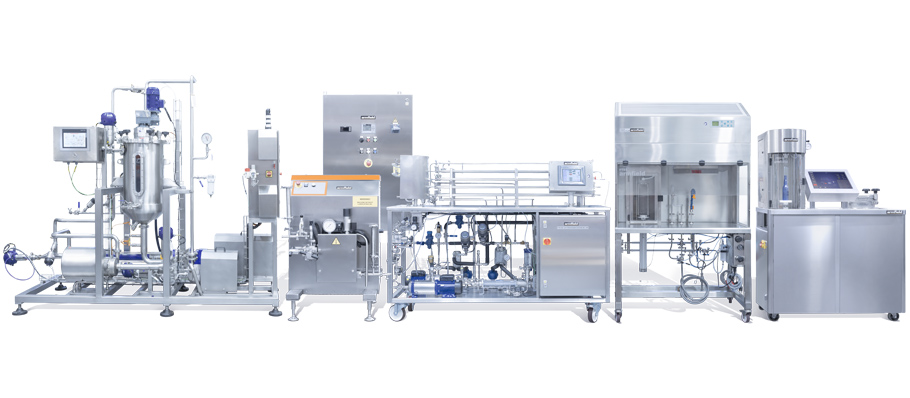
Mini pilot systems are small scale pilot plants designed to replicate real production conditions within a laboratory or controlled environment. They simulate full scale production processes while operating at a smaller scale, making them ideal for pilot stage testing, research findings, and later analysis.
Unlike simple bench tests, mini pilot systems allow continuous operation, live monitoring, and precise control of variables such as heat transfer, flow rates, pressure, and processing time. This enables highly accurate pilot results that inform the next stages of implementation.
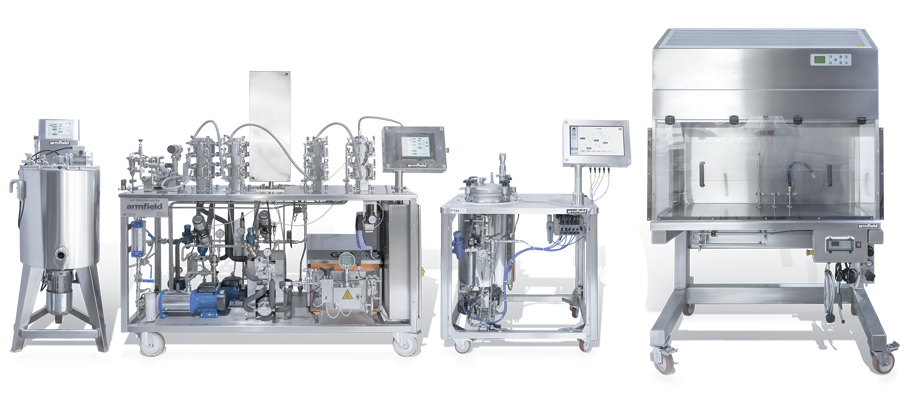
At Armfield, our product testing apparatus is designed to support pilot runs, pilot studies, and larger scale study decisions with confidence and repeatability.
Key benefits of using Mini Pilot Systems
Mini pilot systems offer a wide range of advantages over traditional pilot plants or immediate full scale implementation.
One major benefit is cost effectiveness. Operating at a smaller scale reduces material usage, energy consumption, and waste. This is particularly important when working with expensive ingredients or high value products.
Speed is another advantage. Mini pilot systems deliver faster results, allowing development teams to iterate quickly, make necessary improvements, and avoid delays before product launches.
From a safety perspective, testing in a pilot environment significantly reduces potential risks. Safety risks can be identified early, protecting both staff and equipment before any full deployment.
Types of Mini Pilot Systems available
There are several types of mini pilot systems available depending on the testing requirements and production conditions.
Benchtop systems are ideal for laboratory based pilot studies, where space is limited but precision is essential. These systems are commonly used for preliminary tests, proof of concept, and early development process evaluations.
Portable pilot systems allow testing in live environments or multiple locations. These are particularly valuable for educational institutions, public sector research, and organisations seeking flexibility without permanent installation.
Larger mini pilot plants support structured packing, continuous processing, and extended pilot runs under real world operating conditions.
Core components of a Mini Pilot System
A well designed mini pilot system consists of several integrated components working together as a complete production system.
Sensors are used to capture live data including temperature, pressure, flow rate, and product parameters. Controllers manage process variables and ensure stable operation throughout pilot runs.
Data acquisition software plays a critical role by recording pilot results, supporting later analysis, and delivering actionable insights. These systems support informed decisions about scaling, process development, and full scale production.
At Armfield, system architecture is designed for ease of use, reliability, and compatibility with new technology while avoiding dependence on legacy systems.
Industries that rely on Mini Pilot Systems
Mini pilot systems are used across a wide range of industries. In pharmaceuticals, they support controlled pilot studies and quality control before full scale manufacturing.
In food and beverage processing, mini pilot plants help optimise production conditions, packaging approaches, and product quality before mass production. Educational institutions use mini pilot systems to teach real world process development methodologies to engineers and researchers.
Electronics, chemicals, and advanced manufacturing also depend on mini pilot systems to validate production processes and identify key differences between small scale and full scale operations.
Best practices for setting up and operating a Mini Pilot System
Successful pilot testing requires careful planning. Sensors must be calibrated regularly to ensure accurate live data collection. Operators should monitor performance metrics throughout pilot runs to catch usability issues and production flaws early.
Documentation is essential. Recording pilot results, development process changes, and insights ensures teams maintain clarity throughout the pilot stage and larger study phases.
Working in a controlled environment helps deliver reliable results while minimising business disruption.
Advantages over traditional pilot systems
Compared with traditional pilot plants, mini pilot systems are easier to maintain, require fewer resources, and offer greater flexibility. Their smaller size allows installation in laboratories without major infrastructure changes.
Maintenance demands are lower, and deployment is faster. This supports phased rollouts and small group testing before committing to full scale production lines.
How to choose the right Mini Pilot System
Choosing the right system depends on several factors. Organisations must consider the type of product, required testing parameters, production conditions, and expected scale up requirements.
A clear understanding of the manufacturing process and desired outputs ensures the system delivers business value rather than unnecessary complexity.
Frequently Asked Questions about Mini Pilot Systems
What are pilot studies and how do they support product development?
Pilot studies allow testing within a pilot environment to validate processes, reduce risk, and gather insights before full scale production.
Can mini pilot systems identify flaws before full implementation?
Yes. Mini pilot systems are highly effective at identifying critical issues, usability problems, and performance limitations early.
How does scaling impact product quality?
Data from mini pilot studies informs informed decisions about scaling while maintaining product quality and consistency.
Are mini pilot systems suitable for all products?
While not mandatory for every product, they are strongly recommended for complex processes, new technology, and high value products.
The role of Mini Pilot Systems in successful product launches
Mini Pilot Systems for product testing are essential tools in modern development processes. They help teams move confidently from laboratory concepts to full deployment while managing risk, cost, and quality.
At Armfield, our product testing apparatus supports pilot plants, pilot runs, and pilot stage testing with precision and reliability, helping organisations achieve overall success in product development.
Ready to improve your product testing process?
Discover how Armfield mini pilot systems can support your development process and reduce risk. Visit our contact page today to discuss the right product testing apparatus for your application.
