































Revolutionising Education: The Impact of Chemical Engineering Training Apparatus
Revolutionising Education: The Impact of Chemical Engineering Training Apparatus
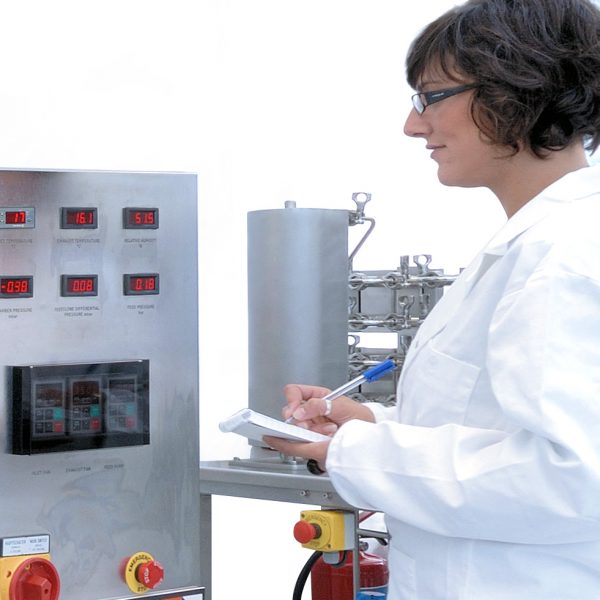
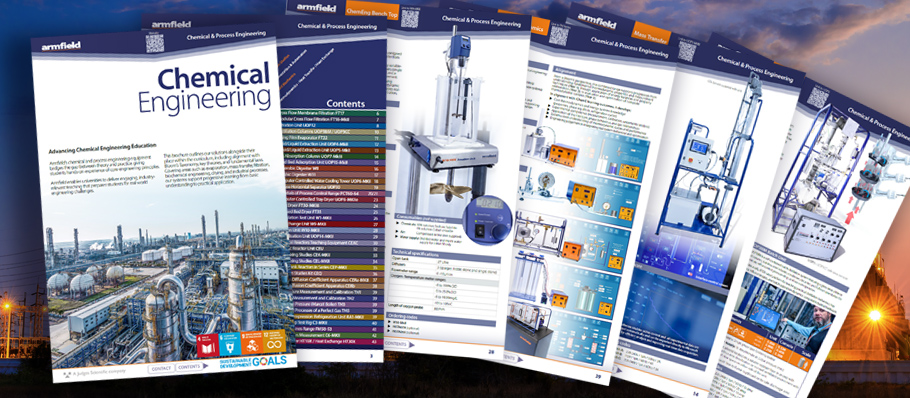
Chemical engineering training apparatus plays a central role in modern chemical engineering education. It bridges the gap between theoretical knowledge and real industrial practice, enabling students, researchers and engineers to observe, measure and control chemical processes in a safe and structured Chemical Engineering Laboratory environment. At Armfield, we design and manufacture Chemical Engineering Lab Equipment that support hands on experience, practical training, and a comprehensive understanding of how chemical plants operate in the real world.
Training apparatus is purpose built Technical Teaching Equipment used by educational institutions and engineering firms to simulate industrial processes on a laboratory or pilot scale. These systems allow learners to explore reaction kinetics, heat transfer, fluid mechanics, separation processes and temperature control with confidence. Through practical training systems, theoretical knowledge becomes applied knowledge, which is essential for the chemical industry and modern engineering education.
What is Chemical Engineering Training Apparatus and Why It Matters
Chemical engineering training apparatus refers to specialised Laboratory Equipment designed to demonstrate, analyse and control chemical reactions and physical processes. These systems range from compact Trainer Kits to advanced computer-controlled Training Systems with Data Acquisition, SCADA and plc integration.
Within a Chemical Engineering Laboratory, this apparatus allows learners to investigate chemical reactions, study Flow Rates, pump speed, reaction temperature and heater power, and understand how variables interact in controlled laboratory conditions. Chemical Engineering Lab Equipments are essential because chemical engineering education relies on more than equations and simulations alone. The ability to physically operate Laboratory Instruments, adjust parameters via Touch Screen interfaces and analyse real data builds confidence and competence.
Types of Chemical Engineering Training Apparatus
Chemical engineering education relies on a broad range of apparatus, each designed to support specific learning outcomes.
Chemical Reactors are among the most widely used systems. Continuous Stirred Tank Reactor units and Tubular Flow Reactor rigs allow students to study reaction order, reaction kinetics and reaction temperature under steady state and transient conditions. Different reactor type configurations make it possible to compare performance and efficiency.
Heat exchangers and Laboratory Heating systems are vital for understanding heat transfer and energy balance. These systems allow learners to explore heat exchangers, heater power control and temperature control using computer control or manual instrumentation.
Separation equipment such as distillation columns, Thin Film Oven systems and Laboratory Pasteuriser units support the study of separation processes used in pharmaceuticals, food production and petrochemicals.
Fluid Mechanics training apparatus, including Hydraulic benches, Hele Shaw Apparatus and Subsonic Wind Tunnel systems, help students visualise flow patterns, pressure drops and velocity profiles in real time.
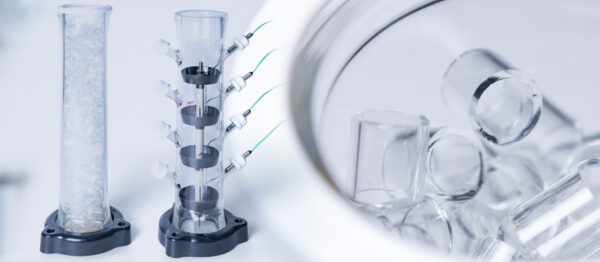
Supporting Laboratory Equipment such as Laboratory Glassware, power supply units, Digital Circuits, Analog Circuit modules and Instrumentation panels complete the laboratory environment and enhance safe experimentation.
The Importance of Hands On Practical Training
Hands on experience remains the cornerstone of engineering education. Chemical Engineering Training Equipment enables students to move beyond theory and apply their learning through direct interaction with real systems.
By operating Trainer Kits and Training Systems, learners gain an understanding of process stability, safety limits and operational constraints. Mistakes can be made and corrected in a controlled laboratory environment, preparing students for the realities of chemical plants and engineering firms.
Practical training also develops transferable skills such as troubleshooting, data interpretation, teamwork and reporting. These skills are highly valued across the chemical industry and cannot be developed through theoretical knowledge alone.
Processes Simulated Using Training Apparatus
Chemical engineering training apparatus supports a wide range of simulated processes used across key industries.
Reaction systems allow investigation of saponification reaction pathways, reaction kinetics and chemical reactions under varying conditions. Separation processes such as distillation and filtration demonstrate mass transfer principles.
Heat transfer studies are supported through Laboratory Heating and Cooling Instrument systems, where students examine steady state and transient behaviour.
Fluid Mechanics apparatus enables analysis of Flow Rates, pump speed and energy losses across hydraulic networks.
Advanced Training Systems integrates computer control, SCADA and Data Acquisition for advanced study and case studies. These systems provide real-world applications that mirror industrial automation environments.
Real World Applications Across Industry
The practical applications of chemical engineering training apparatus extend far beyond the laboratory. Pharmaceutical production relies on controlled reaction systems and Laboratory Pasteuriser units to ensure product quality and safety.
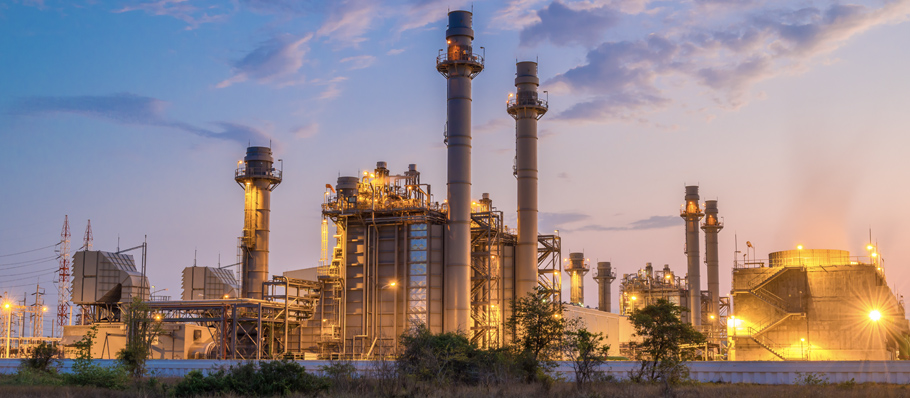
Petrochemical and chemical plants utilise knowledge gained from reactor training systems, heat exchangers and separation units. Power generation and Power Supply studies benefit from Steam Power Plant rigs and Pelton Turbine trainers.
Renewable energy is supported through Solar Module training systems, Solar Thermal Energy rigs, Photovoltaic Solar Energy units and Wind Energy trainers. These systems prepare engineers for evolving industry demands and Smart Grid integration.
Technological Advancements in Training Apparatus
Recent advancements in Laboratory Equipment have significantly enhanced chemical engineering education. Computer-Integrated Manufacturing concepts now feature in advanced Training Systems, providing realistic industrial workflows.
Modern apparatus includes Touch Screen interfaces, remote monitoring, and integrated Data Acquisition systems for improved accuracy and repeatability. Computer-controlled Chemical Reactors Training Systems allow precise manipulation of reaction conditions, supporting deeper learning and advanced research.
Integration with SCADA and plc platforms mirrors real industrial control environments, ensuring that students are industry-ready upon graduation.
Selecting the Right Training Apparatus
Selecting the correct Chemical Engineering Training Apparatus depends on learning objectives, available space, and budget.
Size and modularity should be considered, particularly for educational institutions with limited laboratory space. Equipment Materials must be robust, chemically compatible and safe for repeated use.
Cost and Supply Ability should be evaluated alongside long term maintenance requirements. At Armfield, our systems are designed for durability, scalability and ease of operation to support both teaching and research programmes.
Maintenance, Safety and Optimal Performance
Maintaining a controlled laboratory environment is essential when operating Trainer Kits and Training Systems. Regular inspection of Laboratory Equipment, calibration of Laboratory Instruments and adherence to safety protocols ensure optimal performance and user safety.
Proper training for operators, clear documentation and routine servicing extend equipment lifespan and minimise downtime. Laboratory Heating and temperature control systems must be monitored carefully to protect users and equipment alike.
Preparing Students for Chemical Engineering Careers
Chemical engineering training apparatus plays a vital role in preparing students for careers in the chemical industry. Exposure to realistic Training Systems builds confidence, competence and professional awareness.
Graduates who have worked with Chemical Engineering Lab Equipment are better prepared for employment within engineering firms, research facilities and manufacturing environments. Practical training enhances employability and strengthens the connection between academic study and industry expectations.
FAQs: Chemical Engineering Training Apparatus
What are the essential Chemical Engineering Lab Equipment for a well-equipped laboratory?
Essential Chemical Engineering Lab Equipments include Chemical Reactors, heat exchangers, Fluid Mechanics rigs, Laboratory Glassware and Instrumentation systems for comprehensive practical training.
How does a Continuous Stirred Tank Reactor function?
A Continuous Stirred Tank Reactor maintains uniform composition through constant mixing, allowing detailed study of reaction kinetics and steady state behaviour.
Why is a controlled laboratory environment important?
A controlled laboratory environment ensures safety, accuracy and repeatability when conducting experiments using Trainer Kits and Laboratory Equipment.
How has modern technology improved chemical engineering training?
Modern technology, such as computer control, SCADA and Data Acquisition, has enhanced precision, realism and learning outcomes in engineering education.
The Continuing Importance of Training Apparatus in Chemical Engineering Education
Chemical engineering training apparatus remains fundamental to the advancement of chemical engineering education. It supports knowledge development, practical skills and real-world understanding that benefits students, researchers and industry alike.
At Armfield, we continue to develop advanced features and innovative Training Systems that support hands-on experience and meaningful learning outcomes across educational institutions worldwide.
Talk to Armfield About Practical Chemical Engineering Training Equipment
If you are looking to enhance chemical engineering education with industry-leading Practical Chemical Engineering Training Equipment, speak to the Armfield team today or visit our contact page to discuss your requirements.
